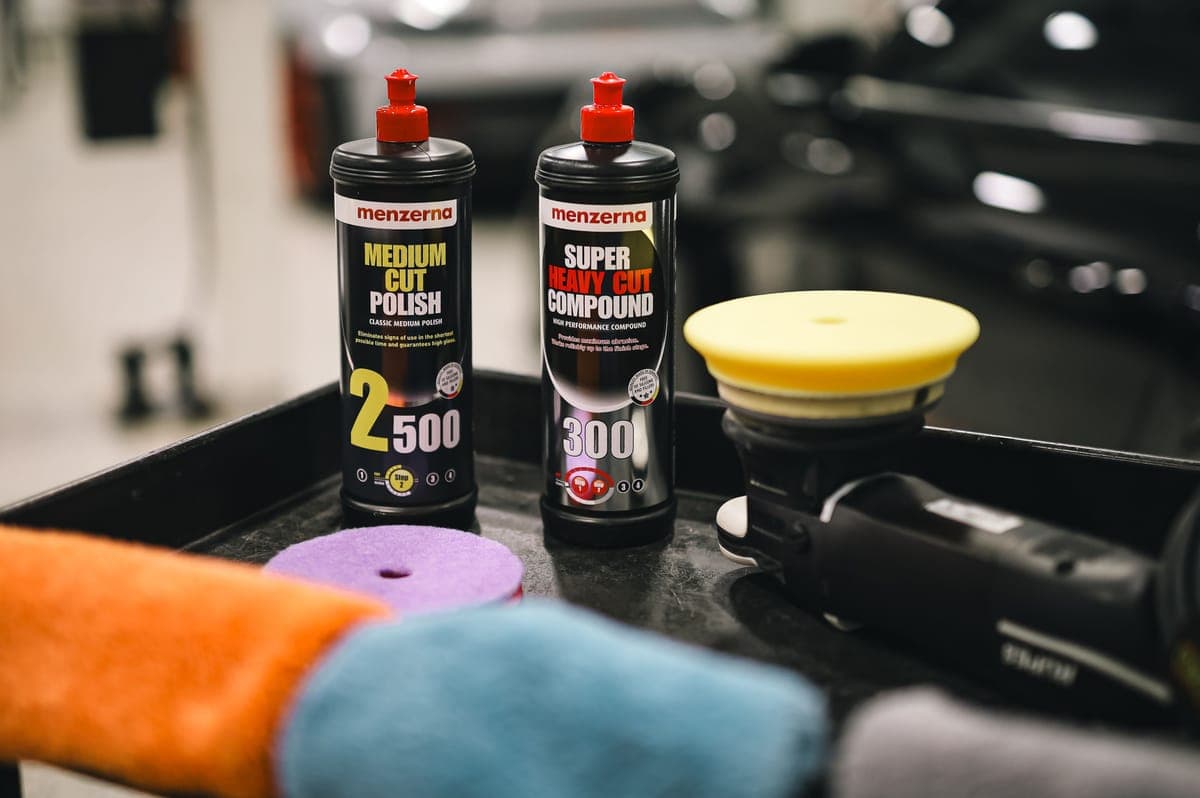
Paint correction is the only part of detailing that is subtractive. A wash puts nothing on the car and takes nothing off it; a coating adds a layer. Polishing removes clear coat, permanently, in microns you cannot see and cannot put back. That single fact is why this hub is organized around restraint rather than around results, and why the most useful thing on most of these pages is the section explaining when not to do it.
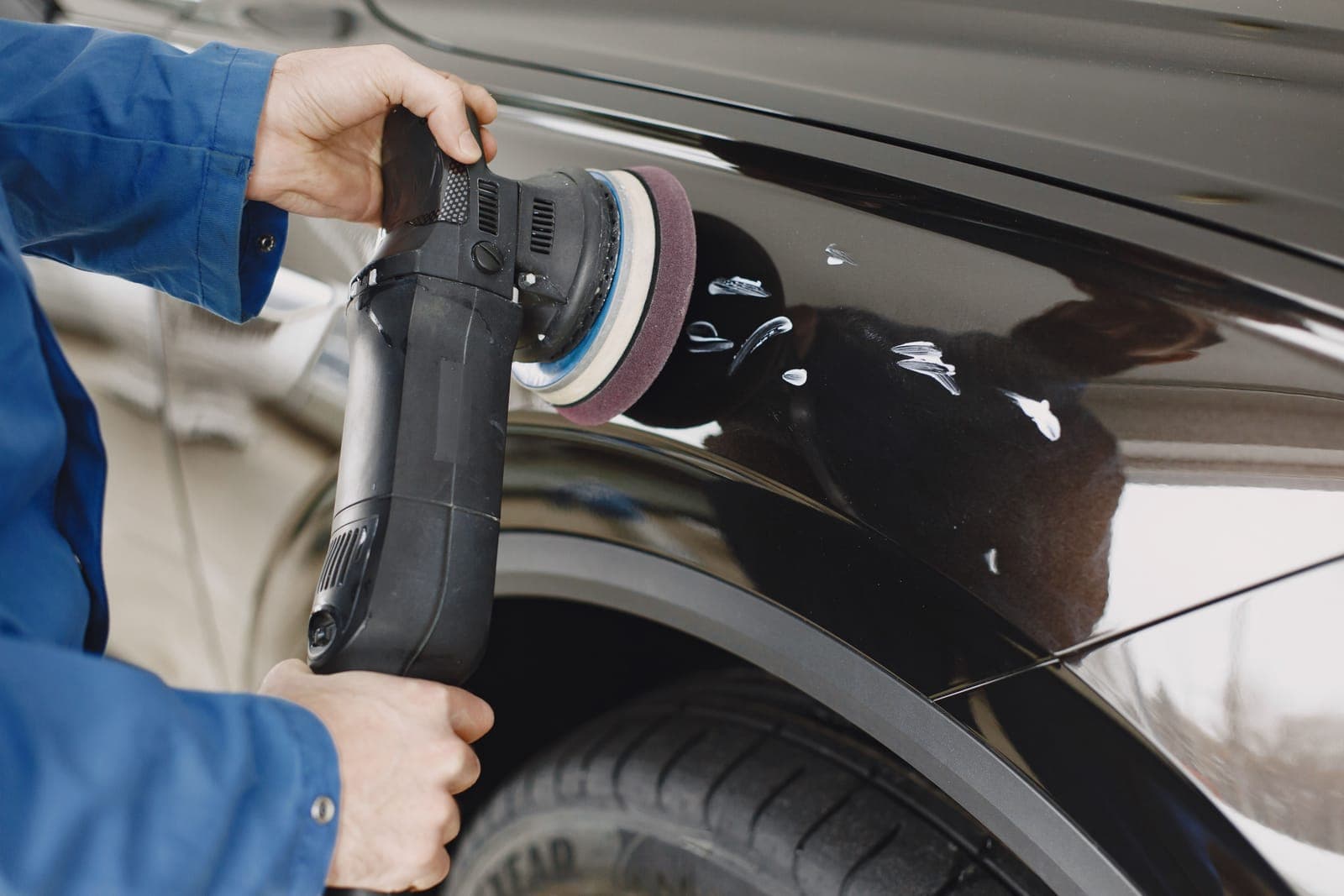
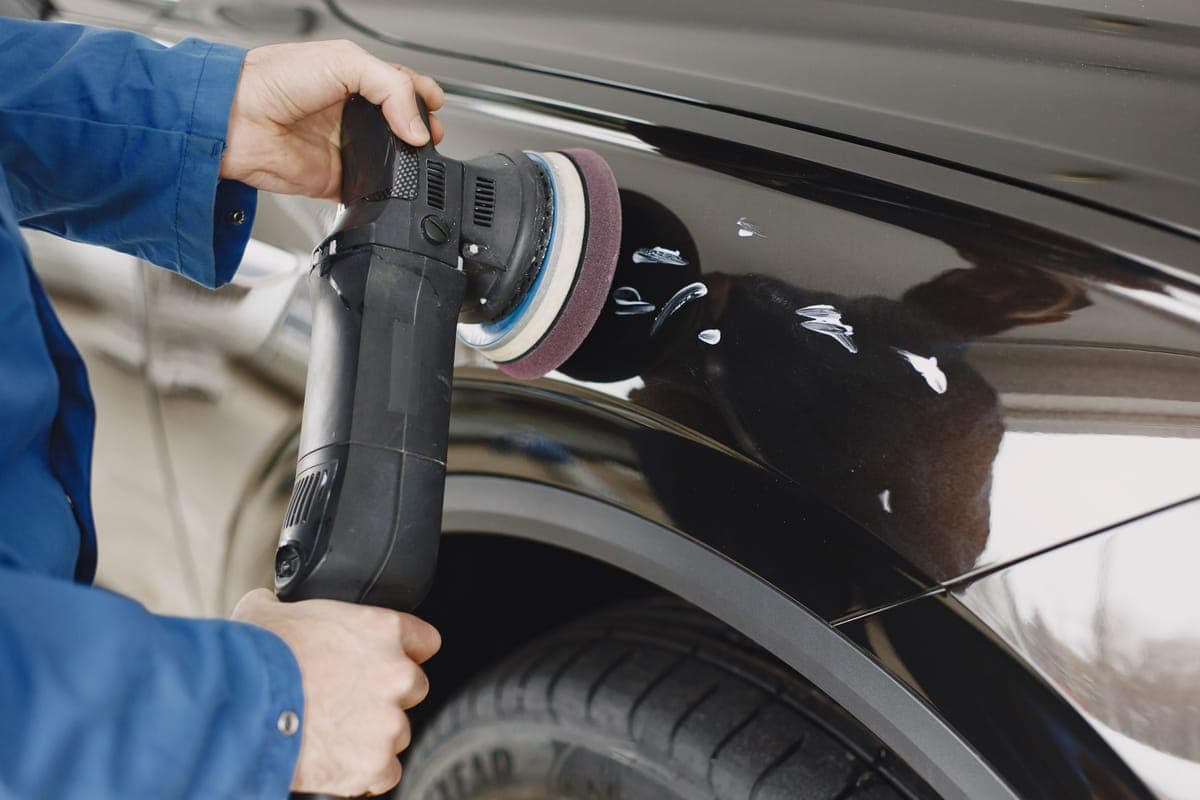
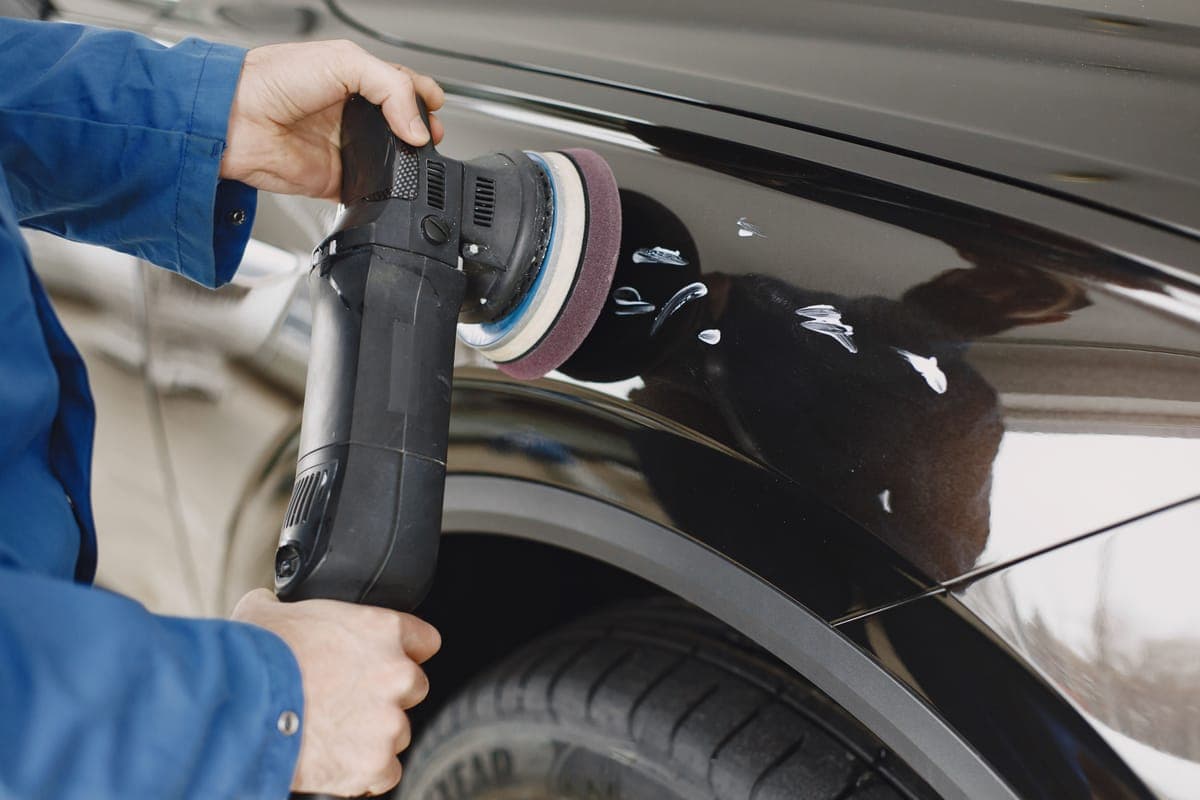
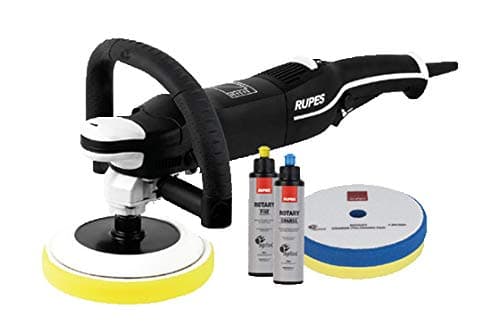
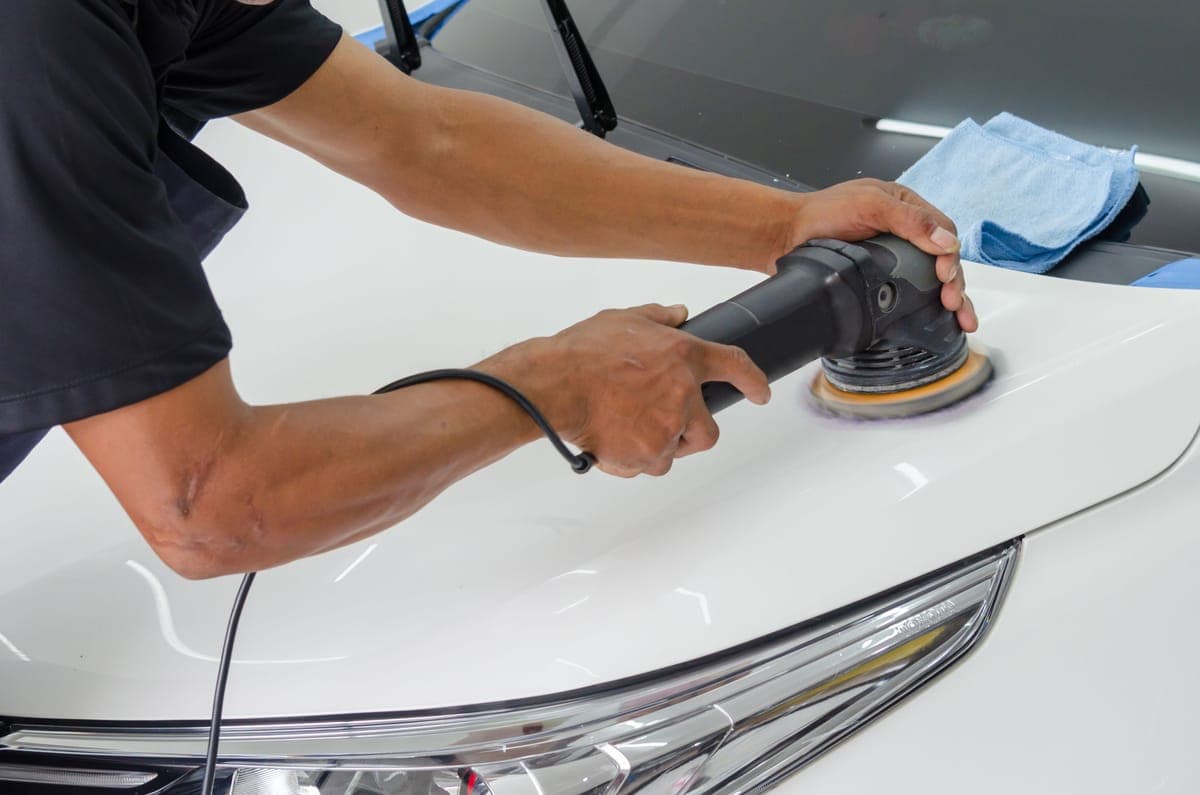
The good news is that the machines have got dramatically safer. A modern random orbital polisher stalls rather than burns, which means the failure mode of a dual action machine is that it does nothing rather than that it goes through the paint. That is a design decision, and it is why almost everybody reading this should be buying a DA rather than a rotary. The full argument is in DA versus rotary.
Orbit throw is the number that decides everything
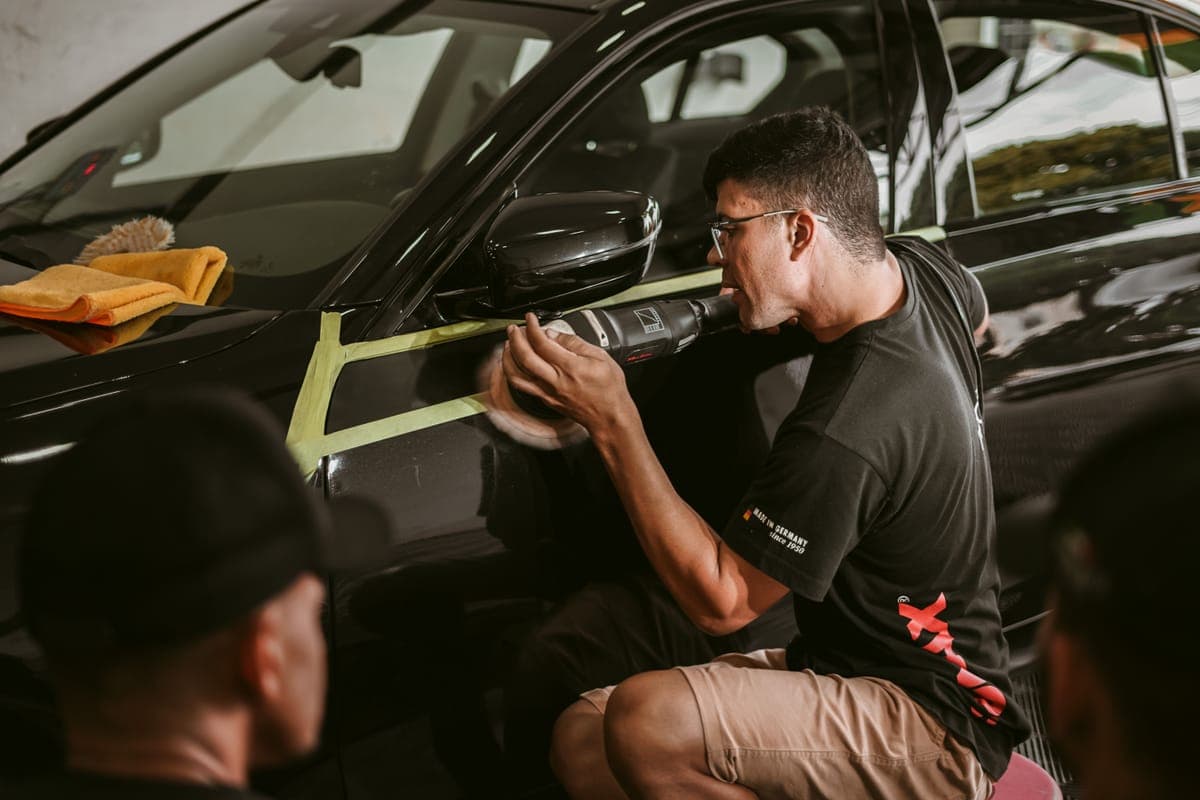
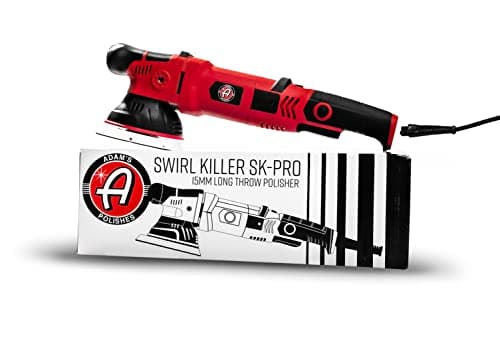
Every machine in this hub publishes an orbit throw in millimeters, and it is the closest thing this whole site has to a single decisive specification. Throw is how far the pad travels in its orbit per rotation. A short throw — 8mm or 9mm — moves less material per pass, finishes more cleanly, and is far more forgiving of a wobbly hand on a curved panel. A long throw — 15mm or 21mm — covers ground faster and corrects harder, and it becomes genuinely awkward on a bumper, a mirror or a pillar.
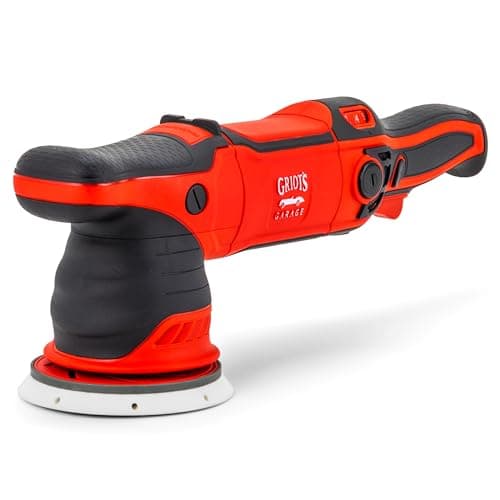
The Griot’s G9 at 9mm and the G21 at 21mm are the same brand, the same money within eighty dollars, and completely different tools. If your car is a modern sedan full of creases, the shorter throw is not a compromise you are settling for; it is the right machine. The tier ladder in the Griot’s range compared walks all four rungs and says which one most people should stop at.
The pad decides more than the compound does
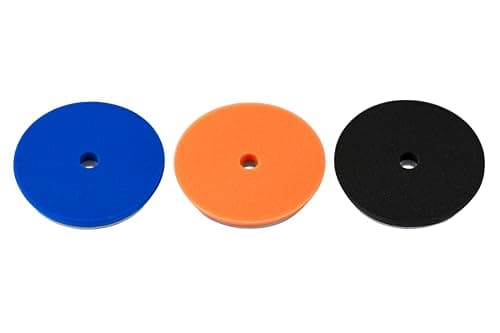
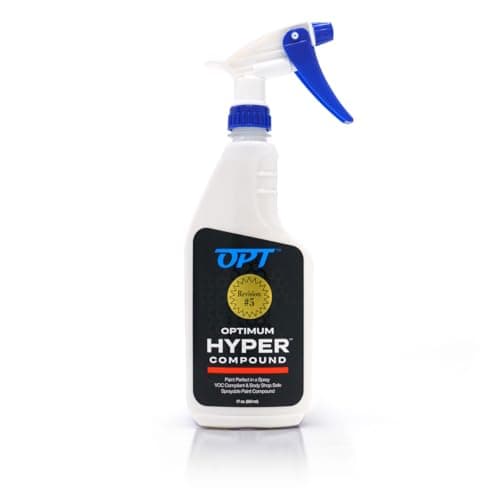
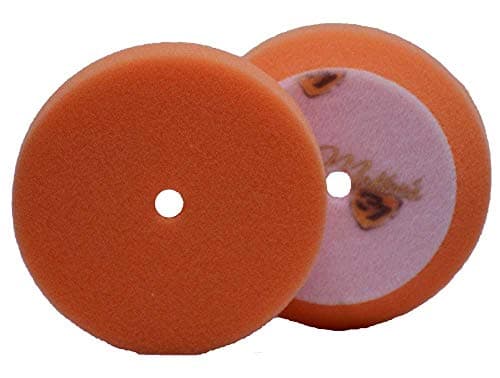
Newcomers buy compound first and pads as an afterthought, and it is backwards. The combination of pad and compound is what produces cut, and swapping to a more aggressive pad changes the result far more than swapping to a more aggressive liquid. A fine polish on a cutting pad will out-correct a heavy compound on a finishing pad, every time, and finish worse doing it.
- Always test on one panel before committing to the whole car. Test spots exist because paint hardness varies by manufacturer, by model year, and sometimes by panel.
- Start with the least aggressive combination that works, then step up. Stepping down after over-correcting means another polishing stage to fix your own marring.
- Pads wear out and load up. A saturated pad stops cutting and starts smearing, and people mistake that for the compound failing.
- Every pad maker uses its own color system. Blue means cutting at Lake Country and something else somewhere else. Read the maker's own range position, never the color.
When not to correct at all
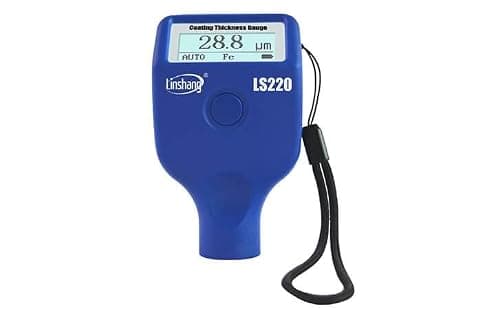
There are cars that should not be polished. A repainted panel of unknown age, a car with visible clear coat failure, a vehicle that has already been corrected several times by a previous owner — all of those have clear coat you cannot afford to spend. Clear coat is typically measured in tens of microns, and a meaningful correction stage removes a measurable fraction of it. Without a paint depth gauge you are guessing, and the guess only goes wrong once.
There is also the honest case of the daily driver that will be swirled again in a month. If the wash process that put the swirls there has not changed, correcting them is a treadmill. Fix the wash first — the wash and decontamination hub is where that starts — and correct once the process is not undoing it. Then protect the result, because a coating on corrected paint is the entire reason correction was worth doing.
Everything here is ranked on published orbit throw, motor power, speed range, weight and cord length. Where a maker does not publish a figure — and Chemical Guys publishes two specifications for an entire polisher — the row reads “Not published” and the product is scored down for it. We have not used any of these machines; see how we research.