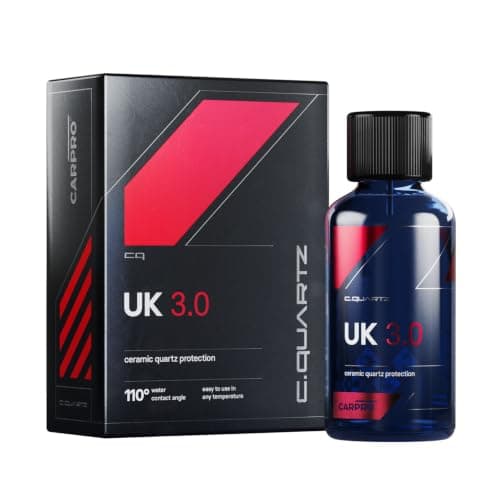
Best overall coating
The Best Ceramic Coating for Cars in 2026
Seven coatings compared on published SiO2, durability and coverage. CarPro is the only one that publishes all three.
Category
Every coating on this page makes a durability claim. Almost none of them publishes the coverage figure that would let you check what it costs per car per year.
Last updated 2026-09-08
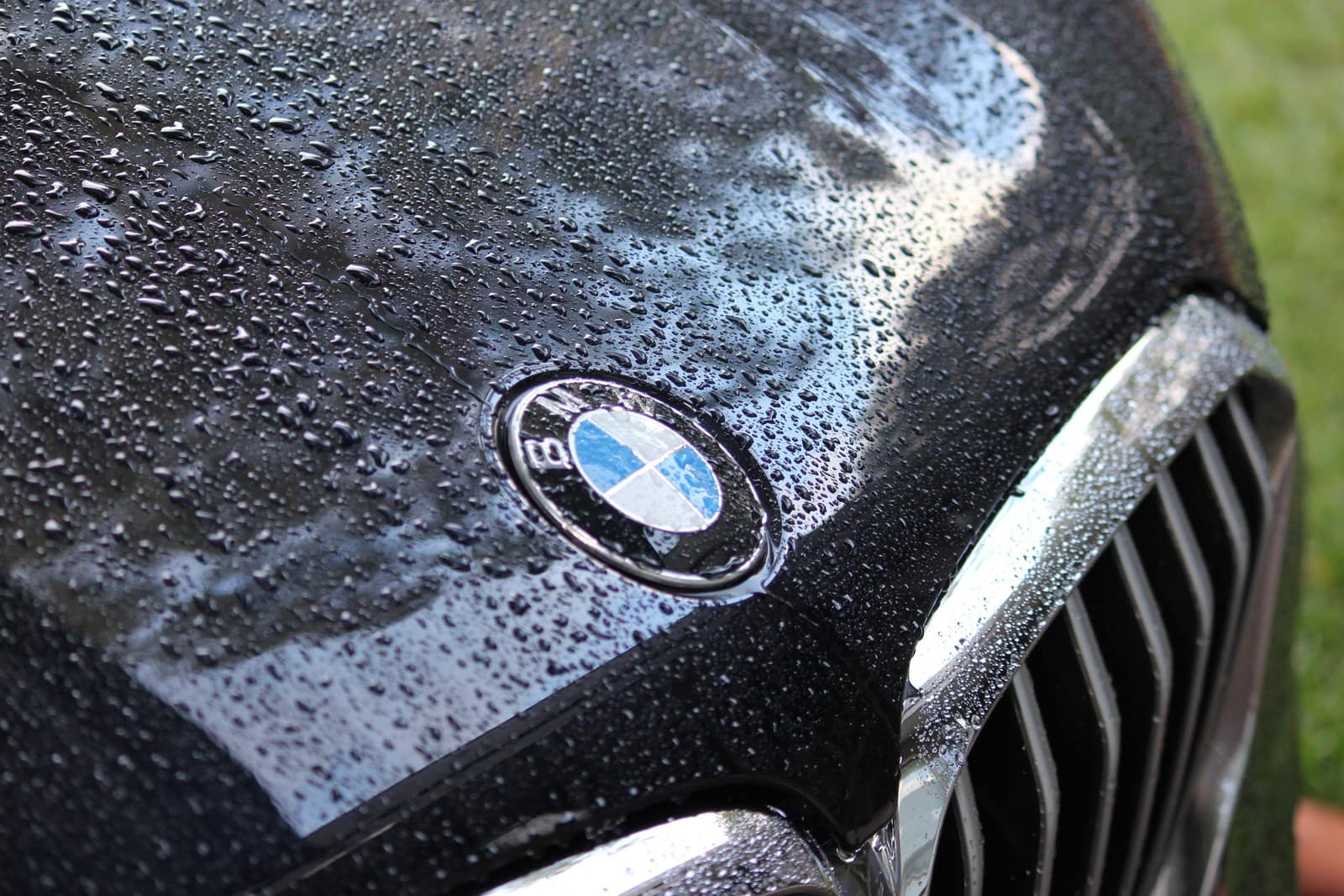
This is the most oversold category in car care and also the one where the good products are genuinely transformative. Both things are true at once, which is why it needs a hub rather than a roundup. A real ceramic coating is a semi-permanent layer of silica chemistry that bonds to your clear coat, makes the car easier to wash for years, and costs a fraction of what a shop charges to apply the same bottle. A spray sold beside it on the same shelf, using the same word, might last a season.
The distinction that matters is not ceramic versus not-ceramic. It is how long the maker will commit to in writing, and what the application demands of you in return. Gyeon publishes 36 months for one layer of Mohs EVO and 48 for two. CarPro publishes two to five years for CQUARTZ UK 3.0. Chemical Guys publishes up to a year for HydroSlick, and HydroSlick wipes off like a wax while the other two need leveling within a working window measured in minutes. Those are three genuinely different products and the price difference between them is smaller than the effort difference.
The first is SiO2 content. CarPro publishes 70% at 99.9% purity for CQUARTZ UK 3.0, and a wheel coating in this hub publishes 76%. Those are almost the only two silica figures published anywhere in this category, which tells you something about how the rest of it is sold. A percentage is not a durability guarantee, but it is a number that can be compared, and comparability is exactly what this market avoids.
The second is consumption. Gyeon publishes 15 to 25ml per car for Mohs EVO and 10 to 15ml for CanCoat, and CarPro publishes 10ml per coat. Those figures are what turn a bottle price into a cost per car. Adam’s Graphene Ceramic Coating publishes seven-plus years of protection and no coverage figure at all, which means the strongest durability claim in the ledger is attached to the product whose cost per car cannot be worked out. That is not an accusation. It is an observation you can verify in thirty seconds by opening the source we cite.
A coating locks in whatever is underneath it. Apply one over bonded contamination and you have sealed the contamination to the car for two years. Apply one over swirl marks and you have made the swirls glossier and harder to remove. This is why the coating aisle and the correction hub are the same project: decontaminate, correct, panel-wipe, then coat, in that order and on the same weekend.
The panel wipe step is the one people skip, and it is the one that decides whether the coating bonds. Polishing oils left on the paint sit between the clear coat and the coating, and a coating bonded to oil fails early in a way that looks like the coating being bad. Gtechniq sells its Crystal Serum Light in a kit with a 500ml panel wipe for exactly this reason, and it is the most sensible thing about that kit.
Coating owners are the most under-served readers in this whole category. Once the car is coated, the products that maintain it are different: a pH-neutral soap that will not shorten the coating, a topper that refreshes hydrophobics without building up, and a drying towel gentle enough not to marr a fresh layer. The wash pages in this site flag coating safety explicitly rather than leaving you to infer it, and the soap roundup is the first place to go after your coating cures.
Nothing on this page has been tested by us. Every durability figure is written as the manufacturer’s claim, because that is what it is — see how we research for the full method and how long ceramic coating lasts for what those claims are actually measuring.
Every product in these roundups is scored on published manufacturer figures, with the working printed underneath the number. Nothing here has been tested by us.
Best overall coating
Seven coatings compared on published SiO2, durability and coverage. CarPro is the only one that publishes all three.
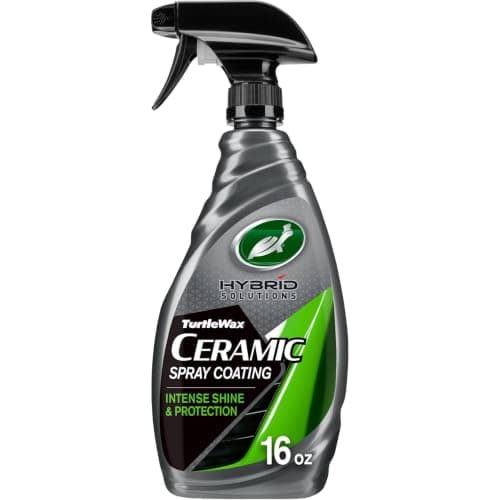
Best spray coating
Six spray coatings compared on published durability and cost per ounce. Adam's claims the longest; Turtle Wax publishes nothing.
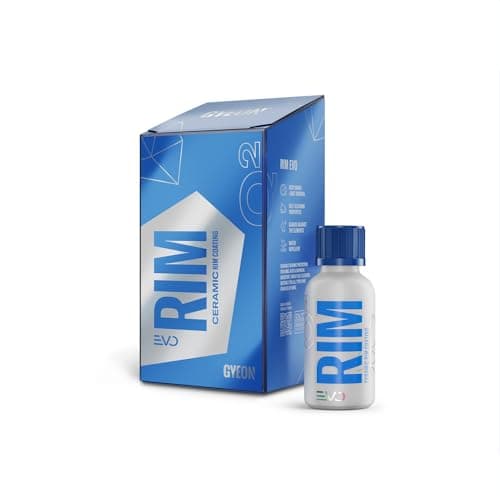
Best wheel coating
Wheel coatings compared on published silica content and heat resistance. Gyeon is the only one publishing a temperature ceiling.
Best for black paint
Coatings for dark paint, ranked on leveling window and published figures rather than on gloss claims.
Best car wax
Five waxes compared on published durability and coverage. Collinite 845 is the only one that publishes both.
Best paint sealant
Six sealants compared on named chemistry and published durability. Gtechniq is the only one quoting measured numbers.
Best quick detailer
Five quick detailers compared on silicone content, stated PPF safety and cost per ounce.
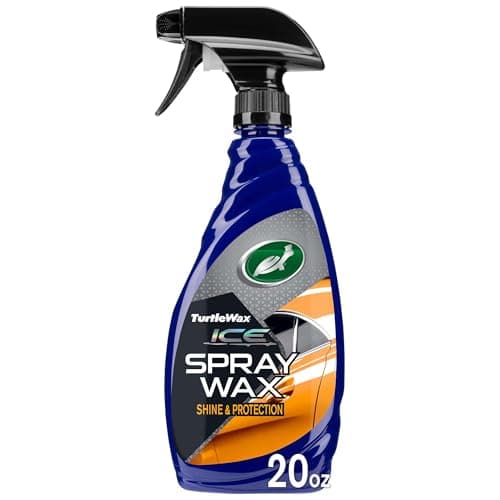
Best spray wax
Six spray waxes compared on published chemistry, second uses and cost per ounce. Four publish no durability figure.
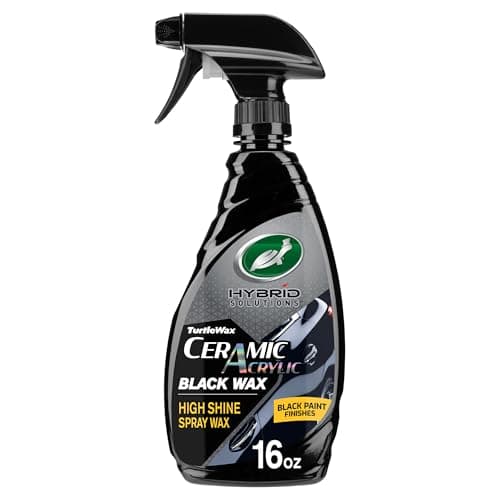
Best wax for black cars
Waxes for dark paint, ranked on published chemistry. One is formulated for black cars; the rest are general waxes.
Top pick: Turtle Wax Hybrid Solutions Ceramic Acrylic Black Wax
$13.99 - view on Amazon#ad How we earn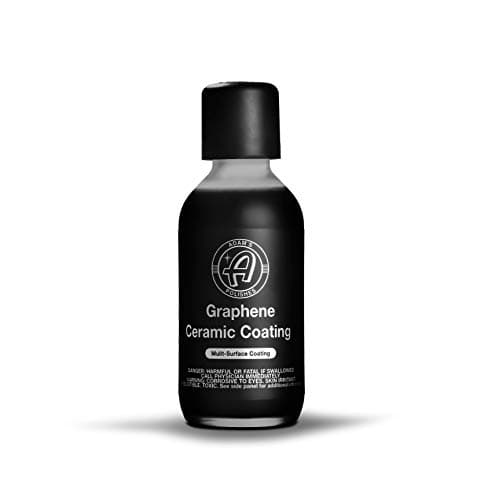
Best graphene coating
Graphene coatings compared on published durability, contact angle and coverage. Claims range from three years to nine.
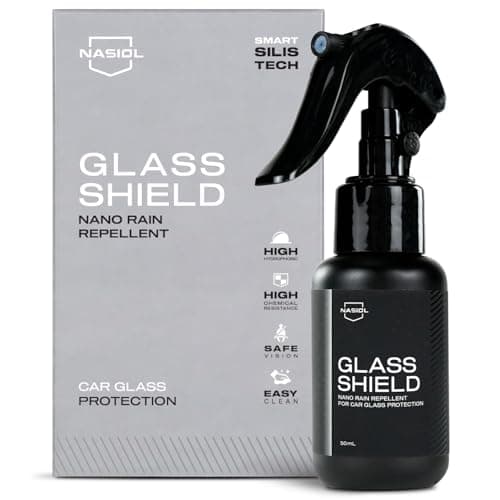
Best glass coating
Windshield coatings compared on published wiper-cycle ratings, consumption and cure time. Two publish 80,000 passes.
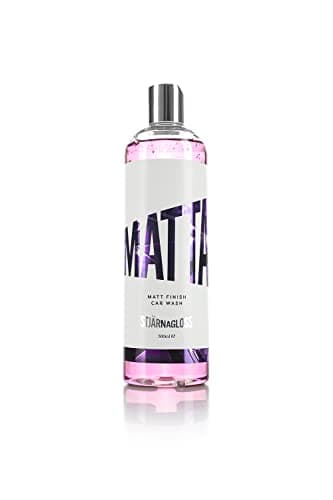
Best matte paint care
Six washes and detailers for matte and satin finishes, compared on what they leave out.
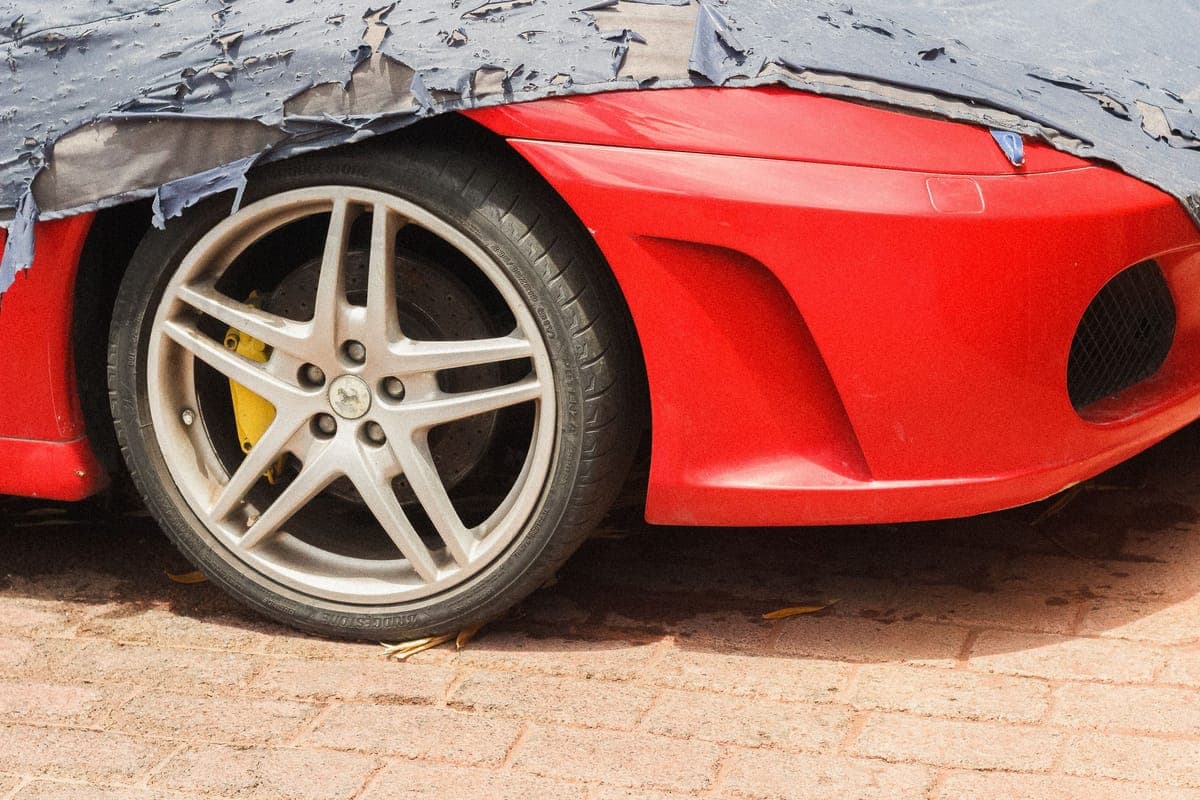
Best PPF coating
Three film coatings compared on published durability, cure time and the film finishes they name.
Best trim coating
Five trim coatings compared on published durability, cost per ounce and color restoration.
Top pick: Turtle Wax Hybrid Solutions Graphene Acrylic Trim Restorer
$11.99 - view on Amazon#ad How we earn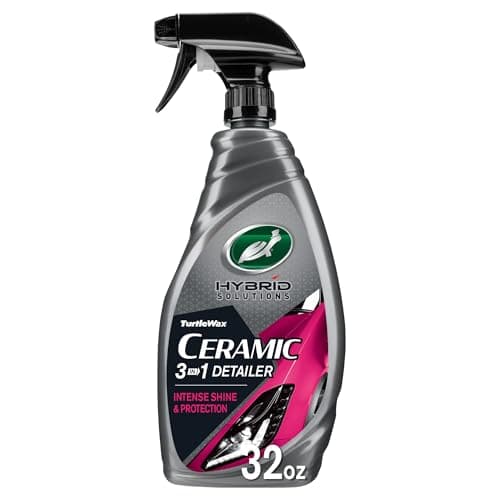
Best detailer for coated cars
Six detail sprays for coated cars, compared on chemistry, coating statements and cost.
Top pick: Turtle Wax Hybrid Solutions Ceramic Wax 3-in-1 Detailer
$15.99 - view on Amazon#ad How we earn
Best panel prep spray
Seven panel prep sprays compared on base, surfaces, size and price.
Best ceramic coating under $100
Four coatings under $100 compared on durability, SiO2, coverage and kit.
Best ceramic wax
Six ceramic waxes compared on form, durability, SiO2 and price.
Best ceramic tire coating
Six tire coatings compared on durability claims, finish, prep and price.
Top pick: Turtle Wax Hybrid Solutions Graphene Acrylic Tire Shine Spray Coating
Sold direct by Turtle Wax#ad How we earn
Best first ceramic coating
Three first coatings ranked on published consumption, cure time and kit contents.
Best wax for older paint
Four waxes for older paint, ranked on published coverage, months and removal effort.
Best winter wax
Six winter protection products ranked on published durability. Only two commit to a figure.
The model-versus-model questions this category actually gets asked, answered with a stated winner and the condition under which it flips.
Head to head
A seven-year claim with no coverage figure against a two-to-five year claim with 70% SiO2 published.
Head to head
A fully specified coating against one whose maker's site could not be retrieved. Disclosure decides it.
Head to head
36 months against 12, from the same maker, with consumption figures published for both.
Head to head
How to choose within the CQUARTZ range when only UK 3.0's specification is publicly documented.
Head to head
Coating, wax and sealant compared on published durability, effort and price, with the condition that flips the answer.
Head to head
70% SiO2 and a temperature window against durability per layer and consumption per car. Which for whom.
Head to head
A 7+ year claim against a kit list with no performance figures. What each tells you before you pay.
Head to head
A 7+ year claim against 36 months per layer and a published consumption figure. Which for whom.
Head to head
A graphene paste wax against a graphene liquid wax, and where the $119.99 coating actually fits.
Head to head
What changes when graphene is added to a ceramic coating, on the makers' own published figures.
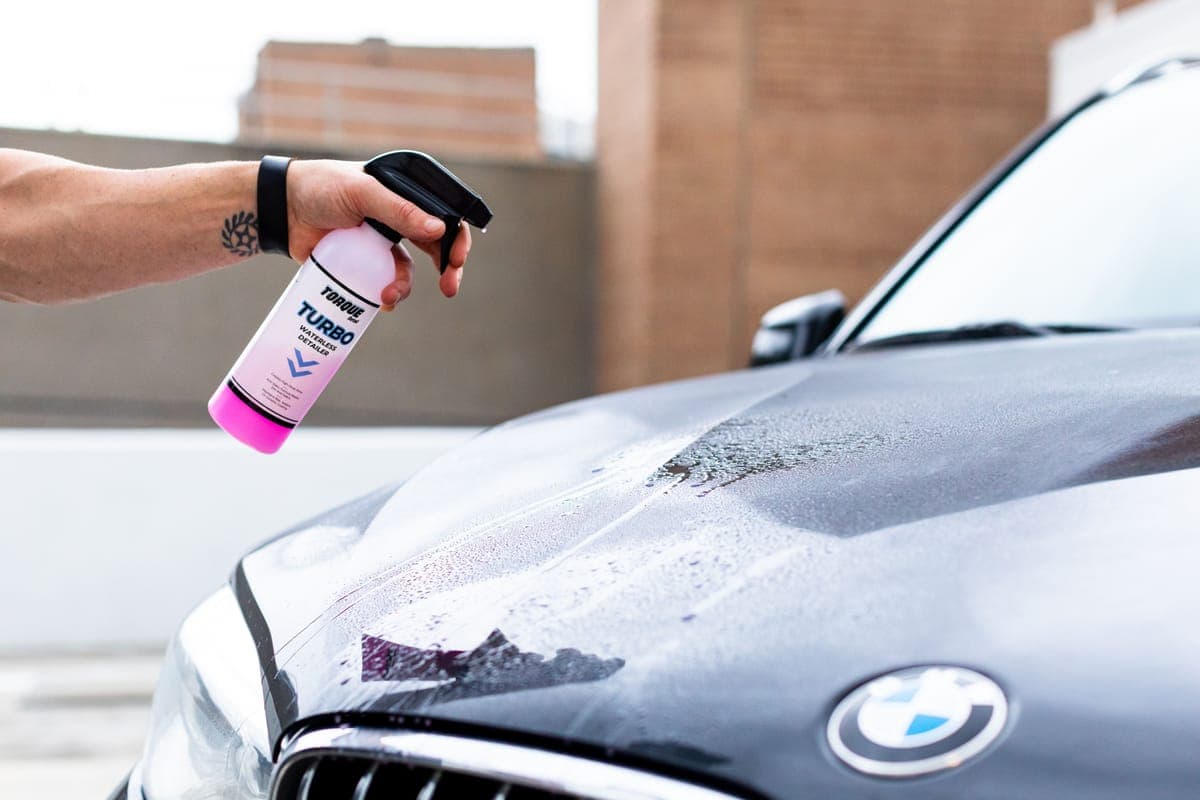
Head to head
Same maker, spray against coating: Adam's and CarPro publish both claims, and the gap is the answer.
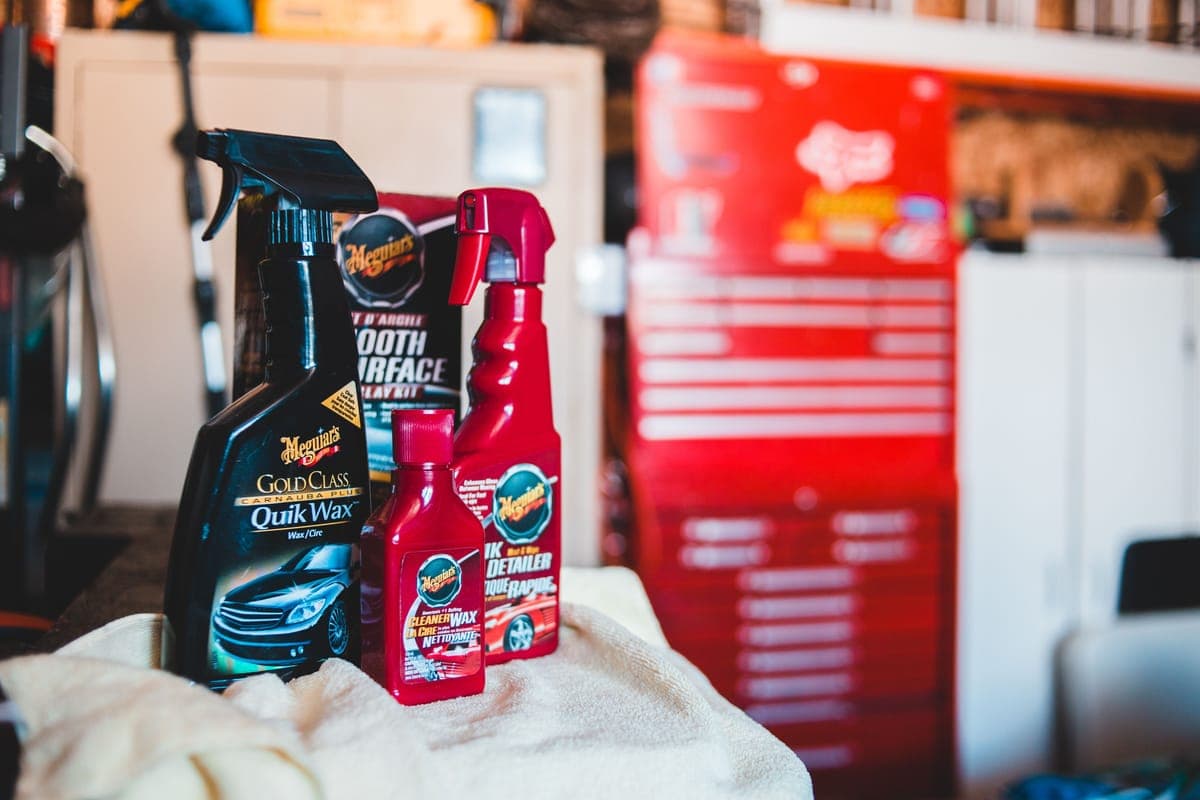
Head to head
Two waxing routines compared on published chemistry, cost per ounce and what each one is for.
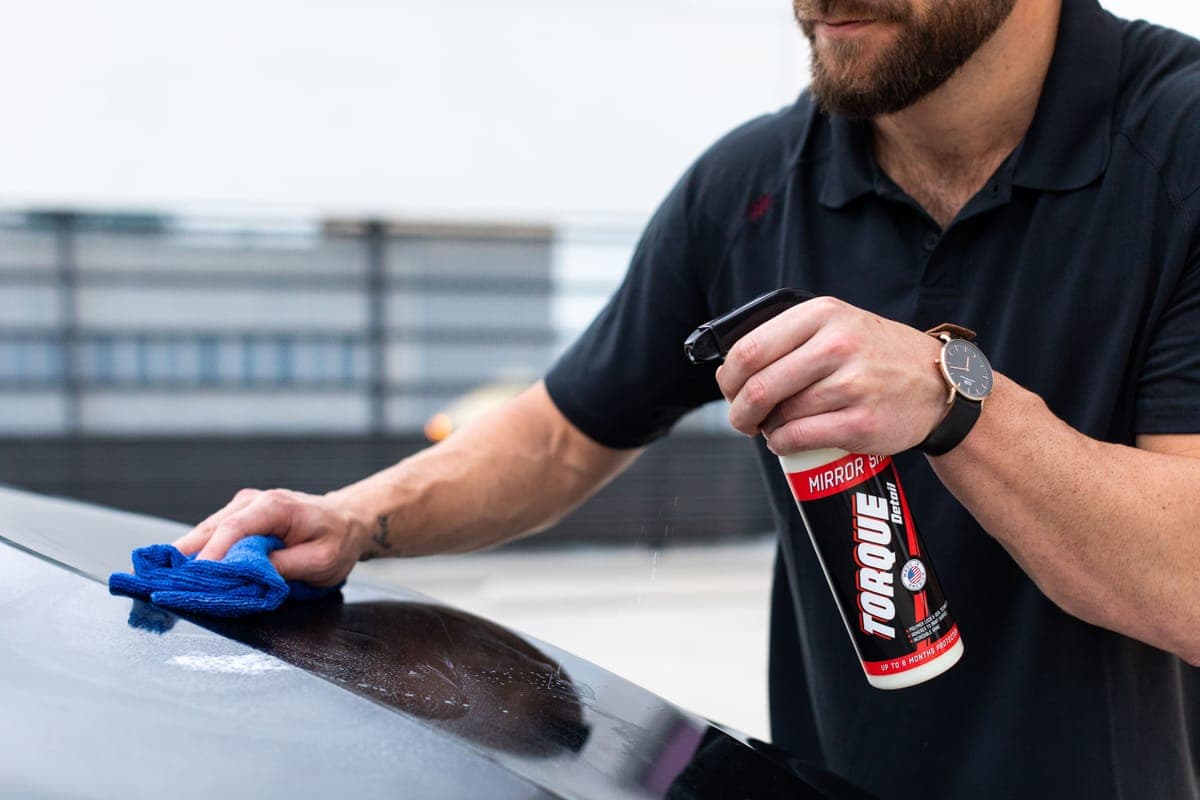
Head to head
Turtle Wax's silicone sealant spray against its ceramic spray coating, on published figures.
Head to head
Two $39.99 one-year coatings compared on application, removal window, cure and coverage.
Head to head
Two near-identical-priced waxes compared on what each maker will publish.
Head to head
Two mass-market ceramic sprays compared on published application, chemistry and size.
Head to head
Two liquid waxes compared on published size, application method and chemistry.
Head to head
Adam's two graphene coatings compared on what each version publishes.
Head to head
Paint protection film against ceramic coating, on each maker's published figures.
How the job is actually done, what goes wrong, and which products from the roundups above belong in each step.
Guide
The break-even between coating and waxing, worked from published claims and list prices.
Guide
What published durability claims are measuring, what shortens them, and how to tell when a coating has gone.
Guide
The full DIY coating cost including one-time tools, with cost per year worked from published claims.
Guide
The published cure windows, the soap to use, and the habits that shorten a coating's life.
Guide
What makers actually publish about layering: per-layer durability, the point it stops helping, and consumption per coat.
Guide
What coating makers claim about scratches, what 10H means, and what actually prevents them.
Guide
The full sequence from wash to cure, with each maker's published consumption, temperature and cure figures.
Guide
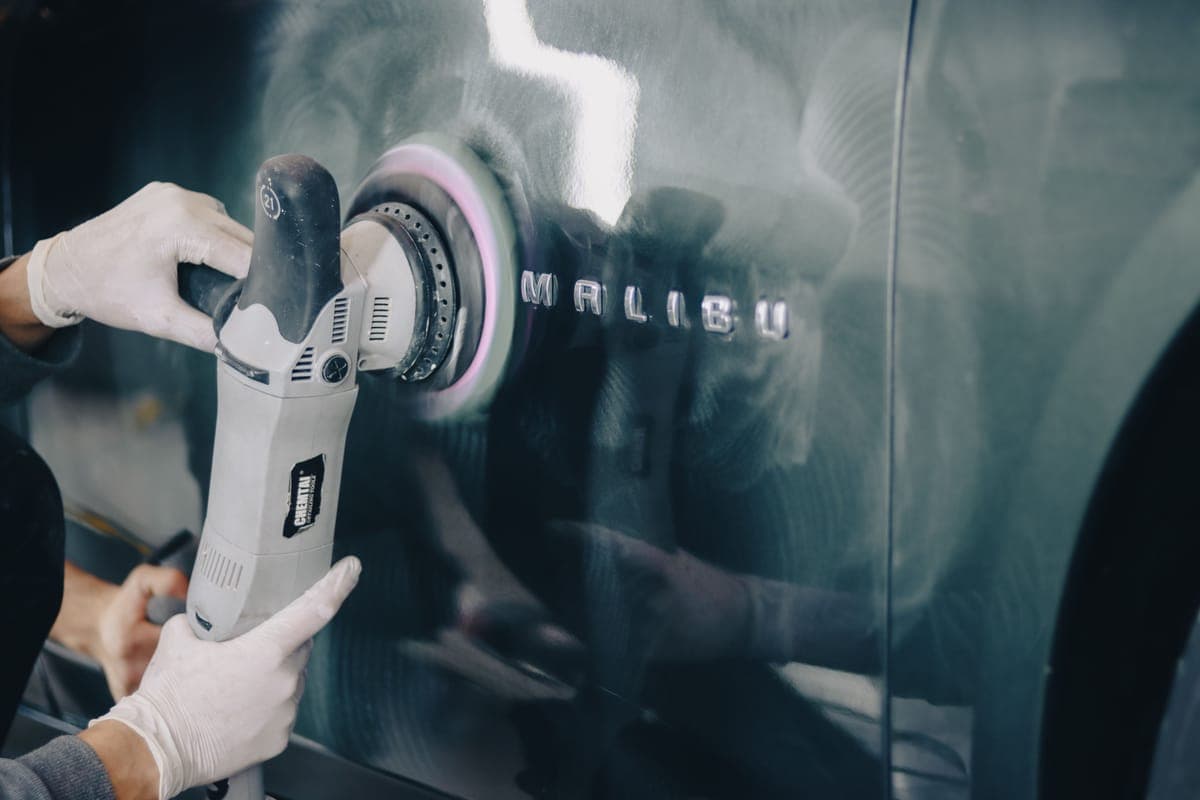
Removing a cured coating: compound, pad, machine and the panel-wipe check.
Guide
Why coatings cannot bond over wax, and the prep that fixes it.
Guide
What the sun does to paint, trim, dashboards and lenses, and which makers name UV in writing.
Guide
The October checklist: paint, wheels, trim and glass, ranked by what each maker publishes.
Guide
What makers publish about cold application: one 40F floor, two cure windows, and the alternative.
What every number on this site is, and is not