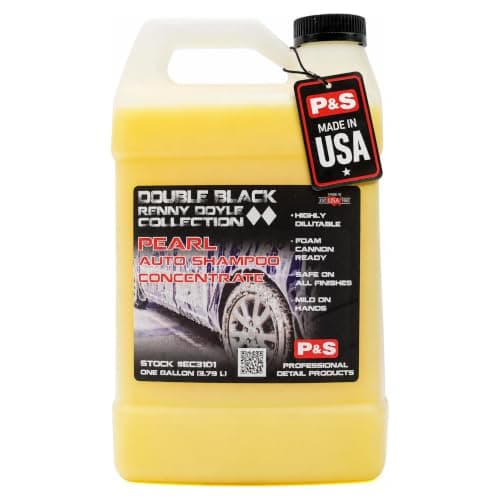
Best wash soap
The Best Car Wash Soap in 2026
Six soaps compared on stated pH, coating safety and cost per ounce, with the blanks printed.
Category
Nearly every swirl mark in your paint was put there during a wash. This is the part of detailing where doing less damage matters more than cleaning harder.
Last updated 2026-09-08
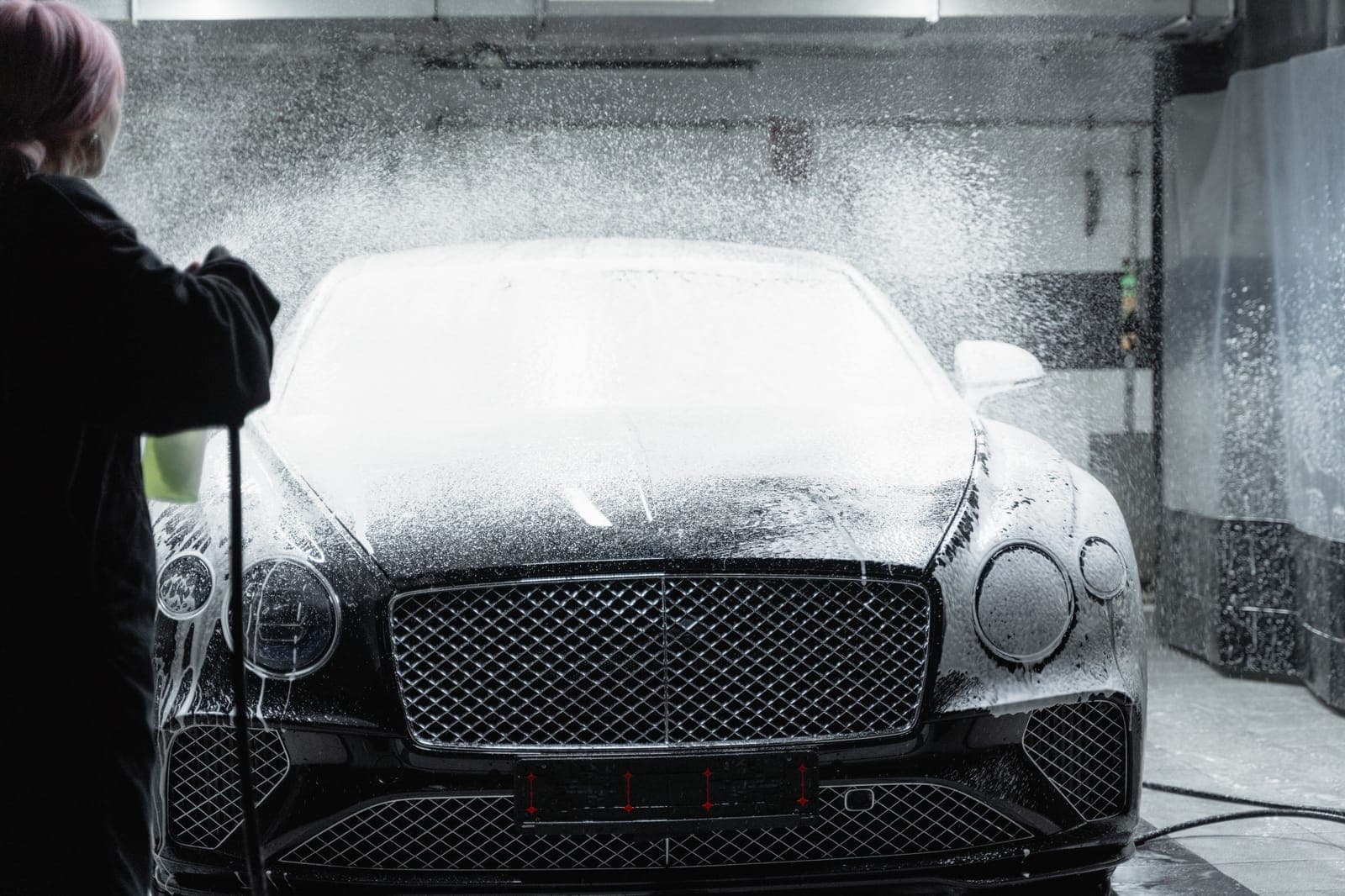
If your paint has swirl marks, they did not arrive from the sky. They came from the wash: from a sponge that held grit, from a towel dragged across a dry panel, from a bucket with no barrier between the mitt and the dirt already in the water. That is the single most useful thing to understand about this category, and it reorders every purchase decision in it. The question is not which soap cleans hardest. It is which sequence of steps removes dirt with the least contact.
A wash that protects paint runs in four stages, and the products on this page map onto them exactly. First you remove what you can without touching the car: a pre-wash foam, left to dwell, taking the loose grit off before a mitt ever arrives. Then chemical decontamination, where an iron remover dissolves the embedded brake dust that no soap will lift. Then mechanical decontamination with clay, which shears off what the chemical missed. Only then does the contact wash happen, and by that point most of the abrasive material is already on the floor rather than in your mitt.
Three specifications decide almost everything in this category, and the frustrating part is how rarely they are published. The first is pH. A pH-neutral soap will not shorten the life of a wax, a sealant or a ceramic coating; an alkaline pre-wash will, and that is the trade you make for it stripping road film in one pass. Almost every maker states the word neutral and almost none publishes a number. Where a product names its chemistry openly — Chemical Guys Hands Off calls itself alkaline, Koch-Chemie calls its snow foam neutral — that honesty is worth more than a claim of gentleness.
The second is dilution. A concentrate without a published ratio is a bottle you cannot cost out. Optimum No Rinse publishes 256:1 and that single number tells you an ounce makes two gallons, which makes it the cheapest wash on this site by an order of magnitude. Almost nothing else in this hub publishes one. The third is coverage or consumption, and outside of the coating aisle it barely exists at all.
Decontamination has a sequence and it is not optional. Iron remover goes on before clay, because dissolving ferrous particles chemically means the clay has less to shear off and less chance of dragging something across the paint. Clay goes on before polishing, because a bonded contaminant under a pad is a scratch waiting to be made. And every one of those steps strips protection, which is why decontamination and protection are the same weekend rather than two separate projects.
If your car already wears a coating, the sequence changes. You are no longer decontaminating — you are maintaining. A coated car wants a pH-neutral soap, a coating-safe drying towel, and nothing aggressive at all unless something has actually gone wrong. The pages in this hub flag which products are safe on a coated car, and the ones that are not say so plainly rather than burying it.
If you already own a bucket and a soap and you are replacing one weak link, the order that returns the most is: a grit guard, then a proper drying towel, then a foam cannon, then a better soap. That order surprises people, because the grit guard costs nine dollars and the soap is what feels like the decision. But the guard is what stops the grit you just rinsed off from going back onto the paint, and a drying towel with real absorbency is what stops you dragging a saturated cloth across a panel. Neither of those is a cleaning improvement. Both are damage-prevention improvements, and damage prevention is what this category is for.
Everything below is ranked on the figures the manufacturers publish and nothing else. Where a maker publishes a dilution ratio, a pH claim or a coverage figure, it is in the table. Where they do not, the row reads “Not published” and the product loses points for it. We have not tested any of this — see how we research for exactly what we did instead.
Every product in these roundups is scored on published manufacturer figures, with the working printed underneath the number. Nothing here has been tested by us.
Best wash soap
Six soaps compared on stated pH, coating safety and cost per ounce, with the blanks printed.
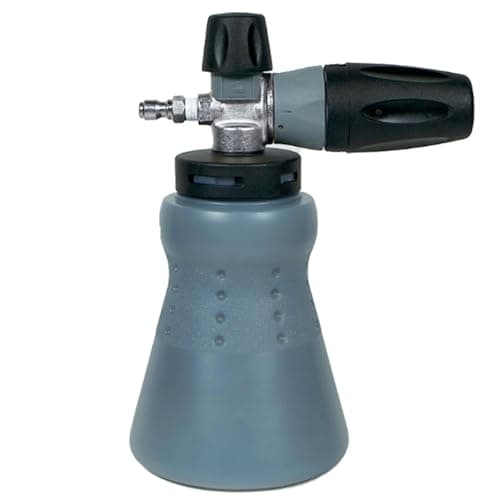
Best foam cannon
Five cannons compared on published build, pressure, capacity and water source. Only one runs off a garden hose.
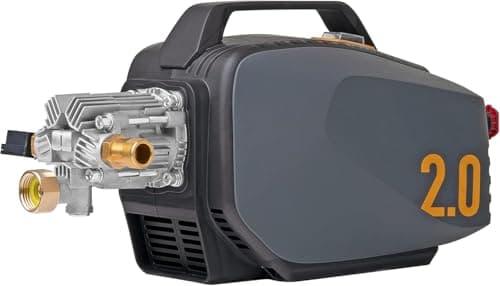
Best pressure washer
Pressure washers ranked on published PSI and GPM. Only one machine publishes both numbers.
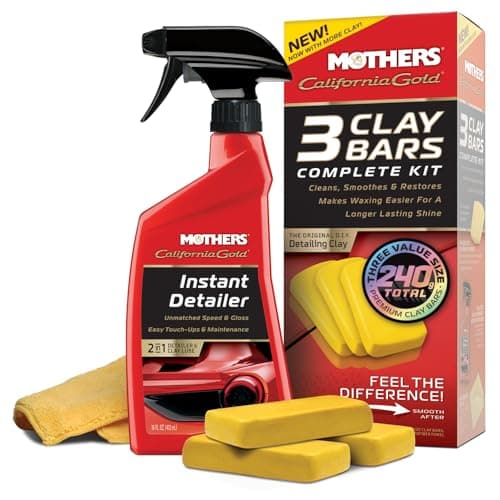
Best clay bar
Seven clay products compared on published grade and format. Koch-Chemie is the only one publishing a grade.
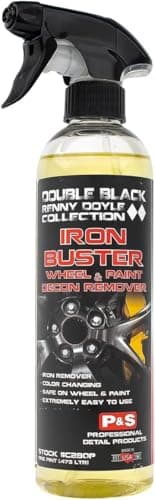
Best iron remover
Five iron removers compared on stated pH, paint safety and named additives.
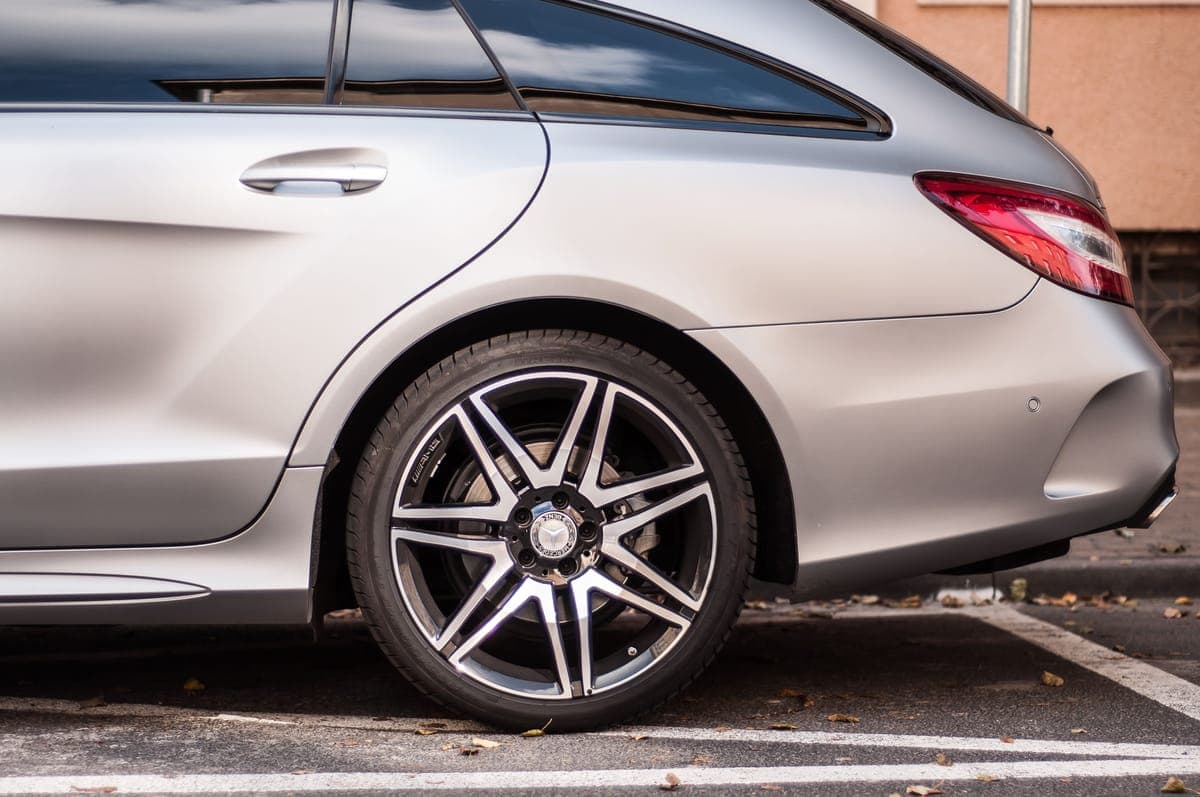
Best wheel cleaner
Five wheel cleaners compared on stated chemistry, corrosion inhibitors and cost per ounce.
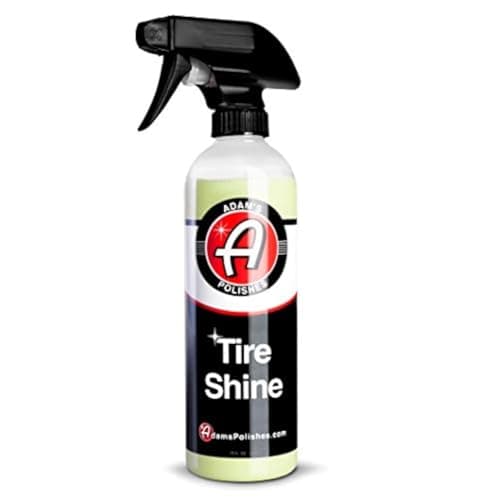
Best tire dressing
Five tire dressings compared on finish, sling claims and the water-based versus solvent split.
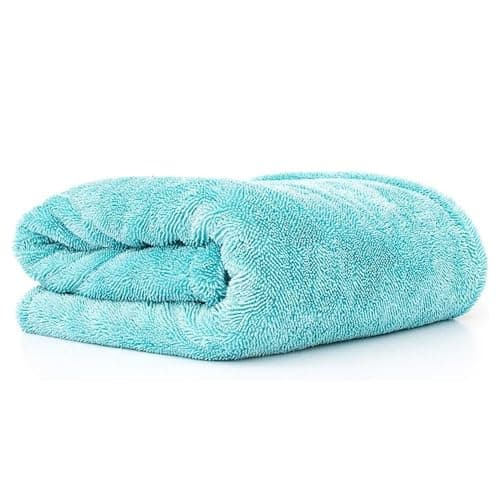
Best drying towel
Five drying towels compared on published GSM, weave and size. The Liquid8r publishes 1,100gsm.
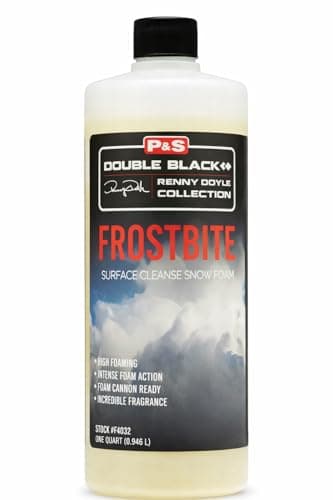
Best snow foam
Five snow foams compared on stated pH, cling and cost per ounce. One states it is alkaline.
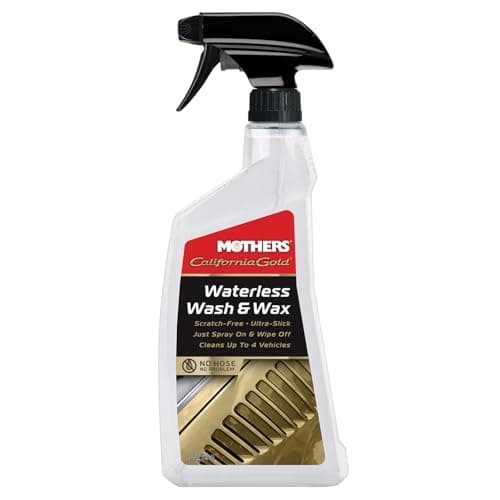
Best rinseless wash
Rinseless washes compared on published dilution and washes per bottle. ONR publishes 256:1.
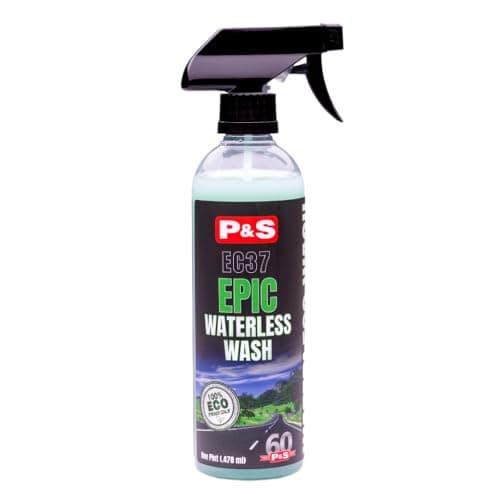
Best waterless wash
Waterless washes compared on published soiling limits, protection claims and cost per ounce.
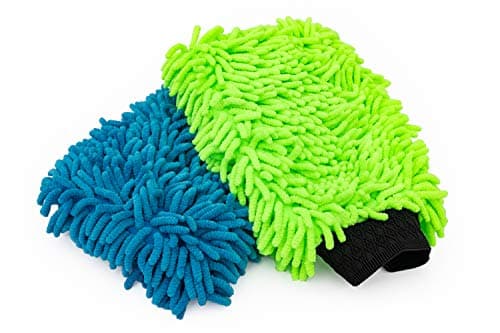
Best wash mitt
Six wash mitts compared on published fiber blend, face size and edge construction. Two publish a blend ratio.
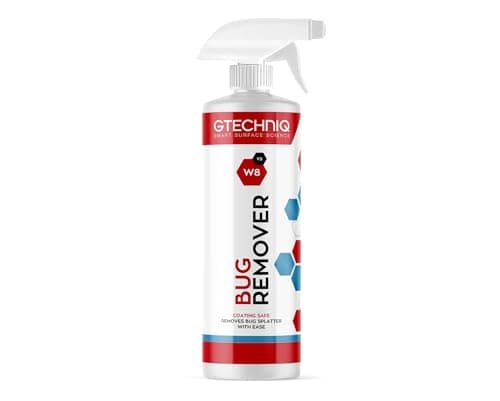
Best bug and tar remover
Bug and tar removers compared on published surfaces, dwell time and coating compatibility.
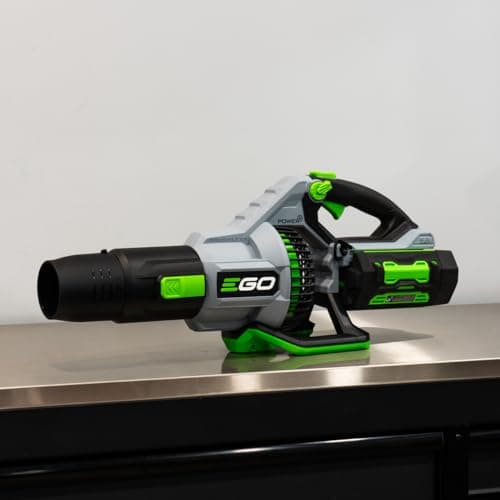
Best car dryer
Car dryers compared on published CFM, air speed, runtime and water lift. Only two publish an air-volume figure.
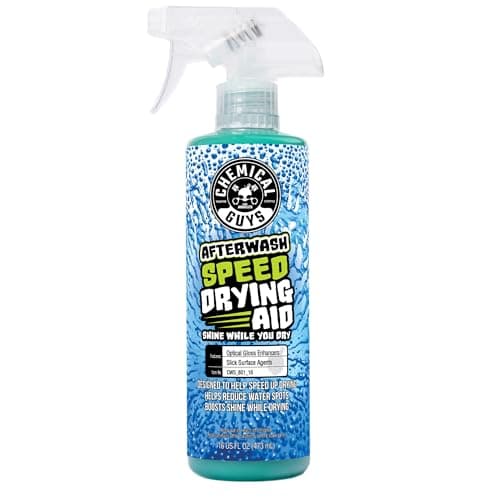
Best drying aid
Drying aids compared on published chemistry, surfaces and cost per ounce. None publishes a durability figure.
Best tire applicator
Tire dressing applicators compared on published construction, barrier layers and size options.
Best clay lubricant
Clay lubricants compared on cost per ounce and published design intent. Buy the gallon; the pint is a trap.
Best water spot remover
Water spot removers compared on published chemistry, coating safety and form. Only one names a mechanism.
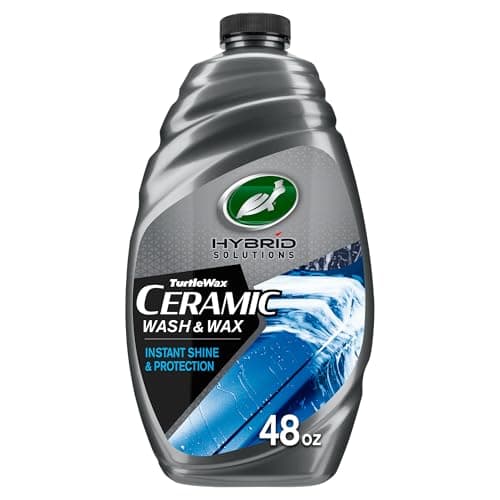
Best soap for coated cars
Eight coating-safe soaps compared on published pH, purpose and cost per ounce. One publishes a pH number.
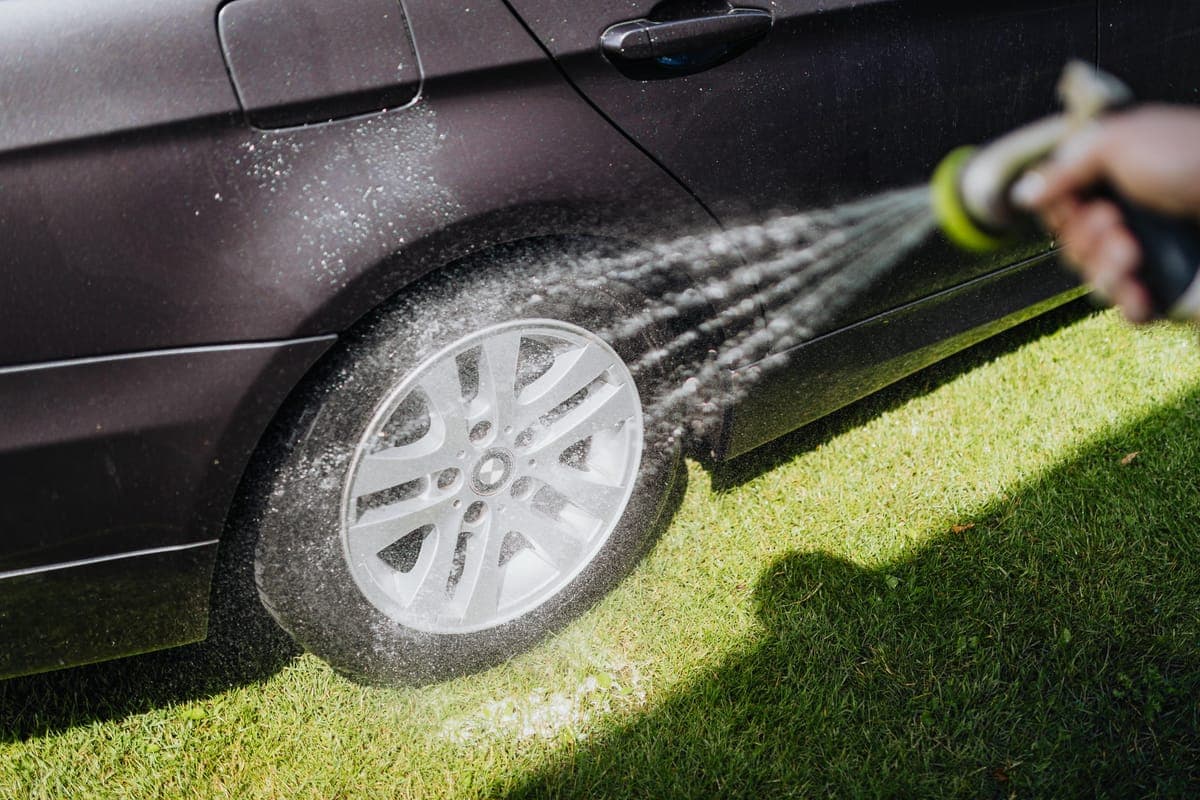
Best foam gun for a hose
Hose foam guns and pump foamers compared for washing without a pressure washer.
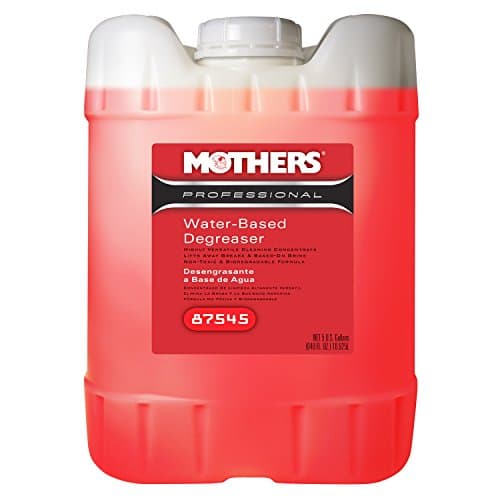
Best engine bay cleaner
Six engine degreasers compared on published chemistry, surface safety and cost per ounce.
Top pick: Mothers Professional Water-Based Degreaser Concentrate
$100.99 - view on Amazon#ad How we earn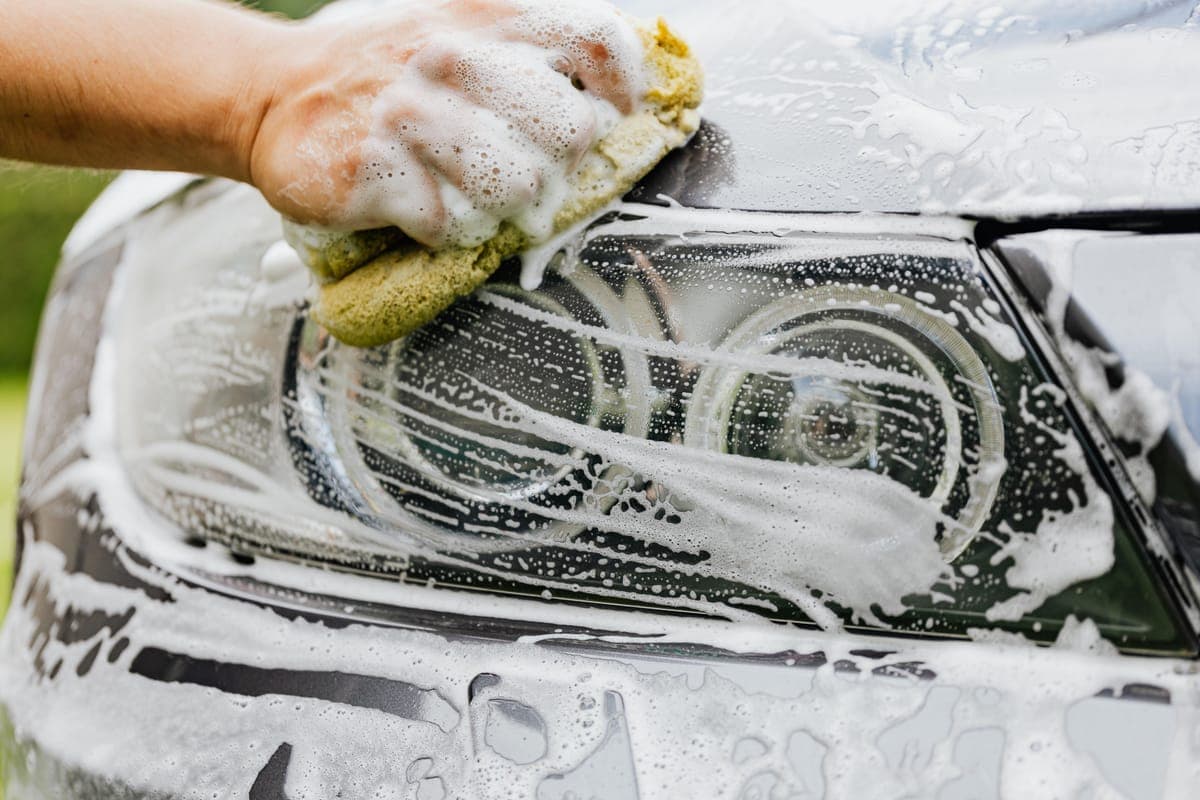
Best wash sponge
Seven microfiber wash sponges and pads compared on published GSM, size and blend.
Best water deionizer
Five deionizers compared on capacity per resin fill, bypass valve and refill price.
Top pick: Adam's Dual Bed Standard Portable Spotless Water Deionizer
Sold direct by Adam's Polishes#ad How we earn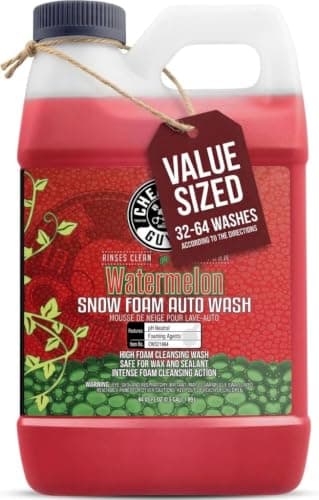
Best snow foam for coated cars
Five snow foams compared on coating statements, pH claims and price.
Best tire cleaner
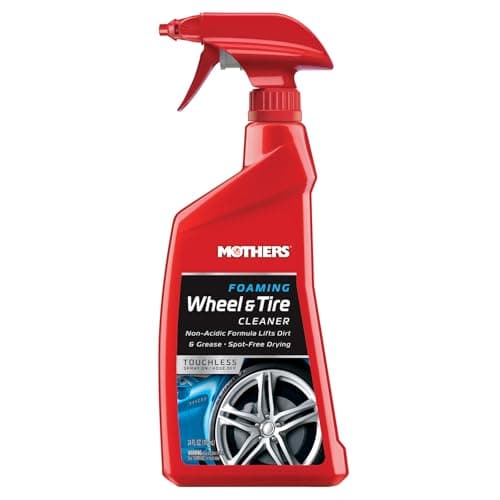
Four tire cleaners compared on stated targets, chemistry and wheel safety.
Best rinseless wash for coated cars
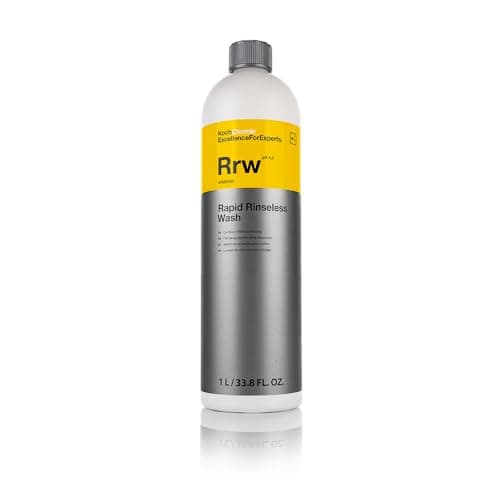
Five rinseless washes compared on coating safety, what they leave behind and dilution.
Best clay mitt
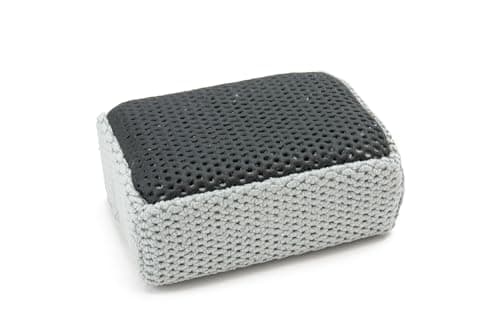
Five synthetic clay tools compared on grade, format, lifespan and price.
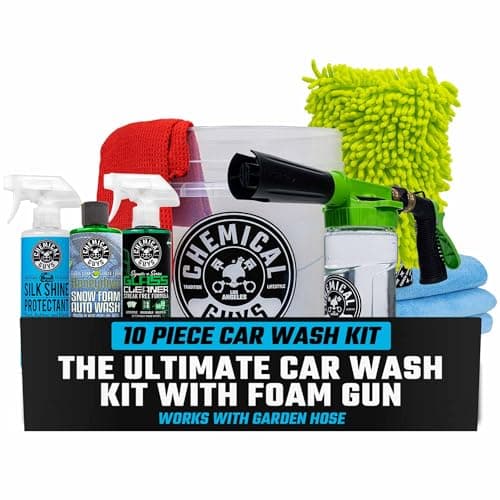
Best car wash kit
Seven car wash kits compared on buckets, foam tools, towels and chemicals.
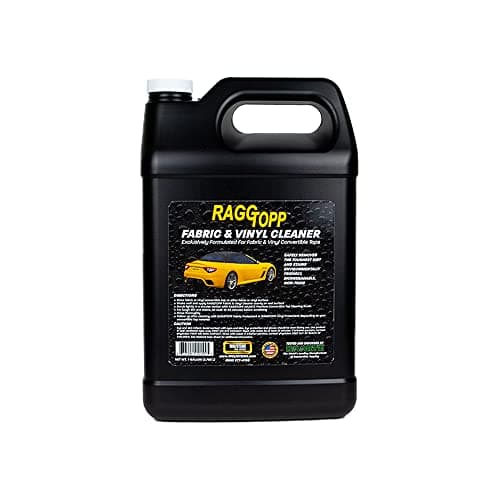
Best convertible top cleaner
Convertible top cleaners and protectants compared for fabric and vinyl tops.
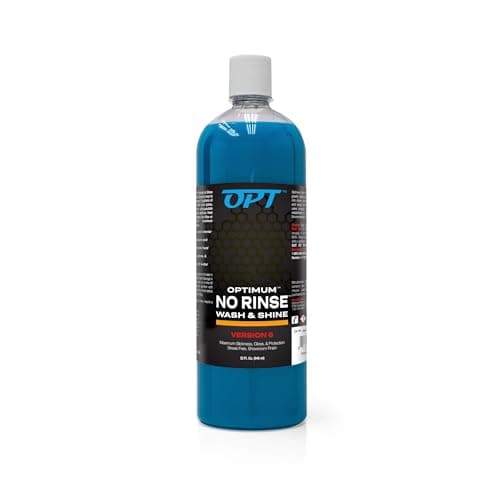
Best no-hose wash kit
Washing a car with no hose and no driveway, from waterless sprays to a pump foamer.
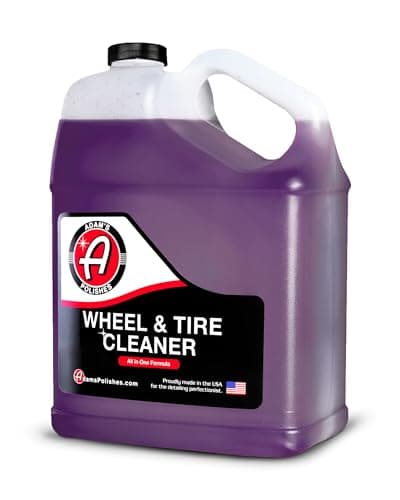
Best cleaner for powder coated wheels
Four wheel cleaners compared on acid-free chemistry and the finishes each maker names.
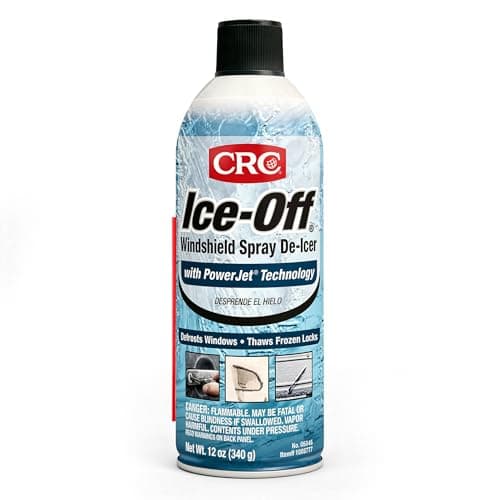
Best de-icer
Three de-icers that publish something checkable, from a $7.18 aerosol to a -34F washer fluid.
The model-versus-model questions this category actually gets asked, answered with a stated winner and the condition under which it flips.
Head to head
Precision and disposability against speed and durability, with the published dimensions for each.
Head to head
Pressure-washer cannon against garden-hose gun: what changes, and whether the $200 entry cost is worth it.
Head to head
Where each method stops being safe, with the only published dilution figures in the hub.
Head to head
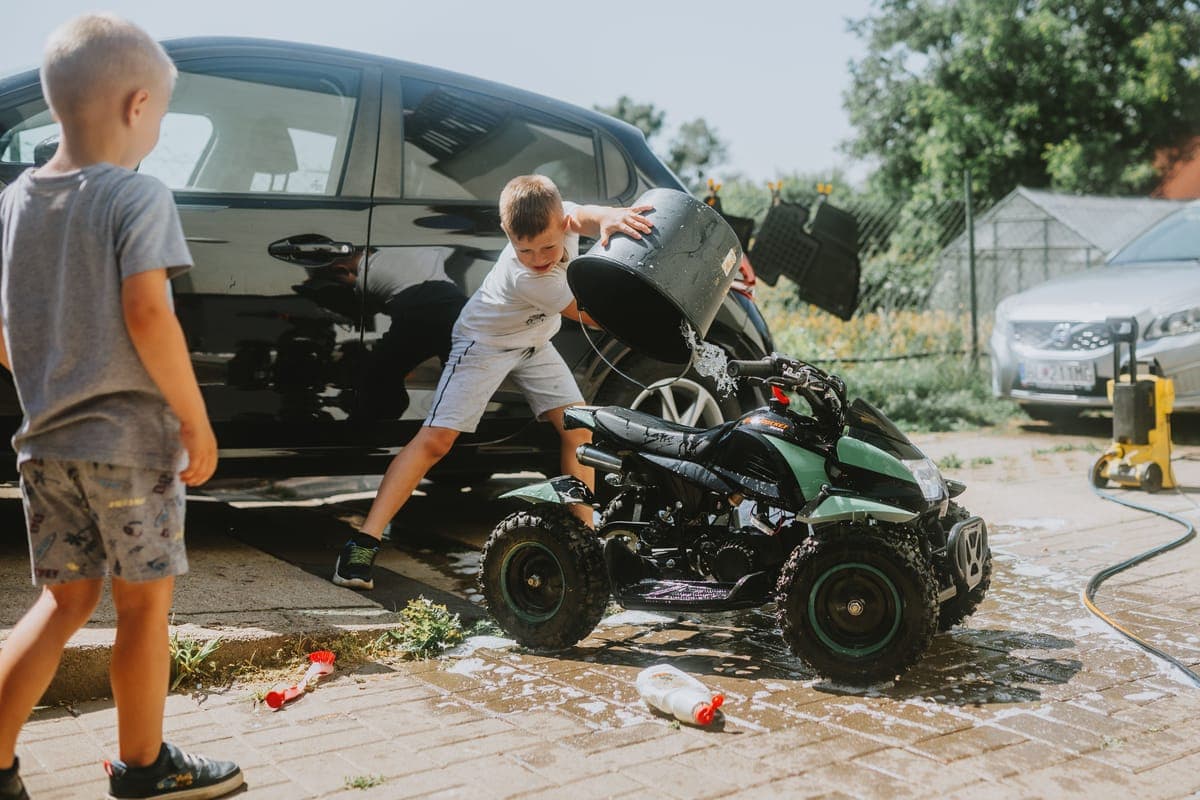
Two gallon shampoos compared on price per ounce and what each maker states about protection.
Head to head
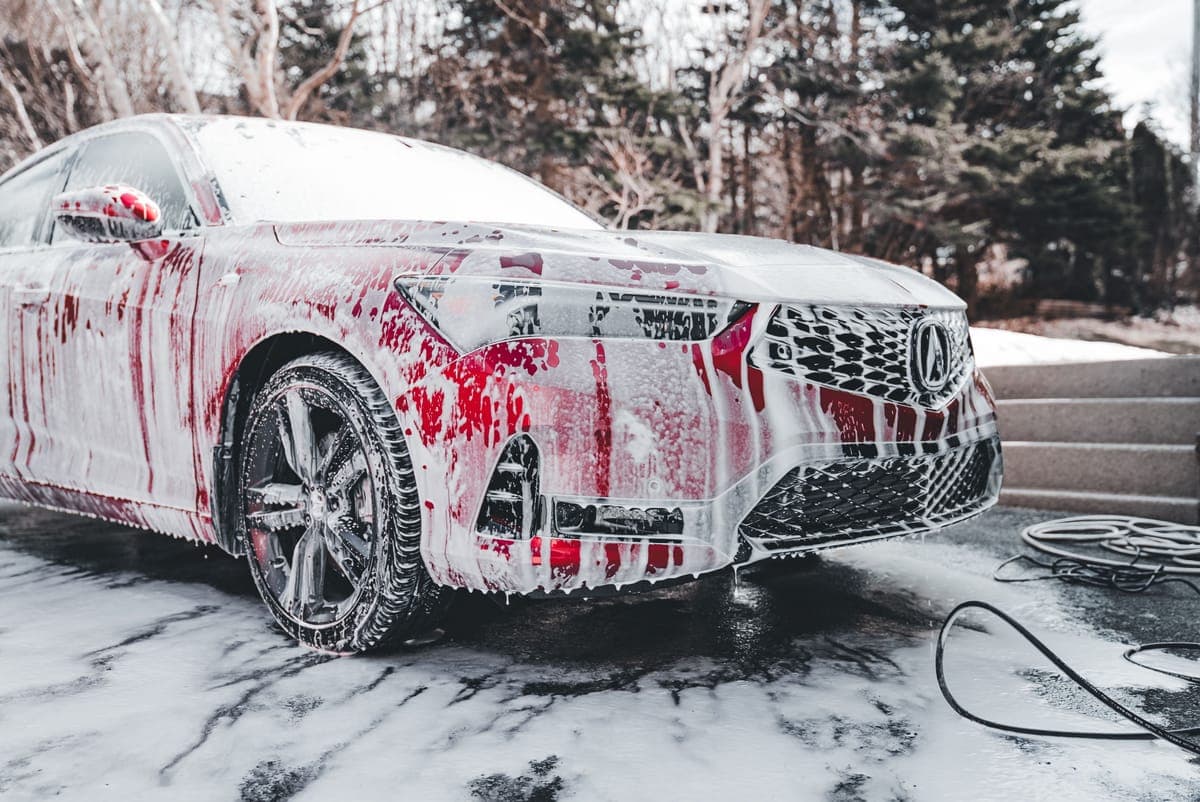
MJJC PRO V3.0 and MTM PF22.2 compared on bottle, body, fittings and price.
Head to head
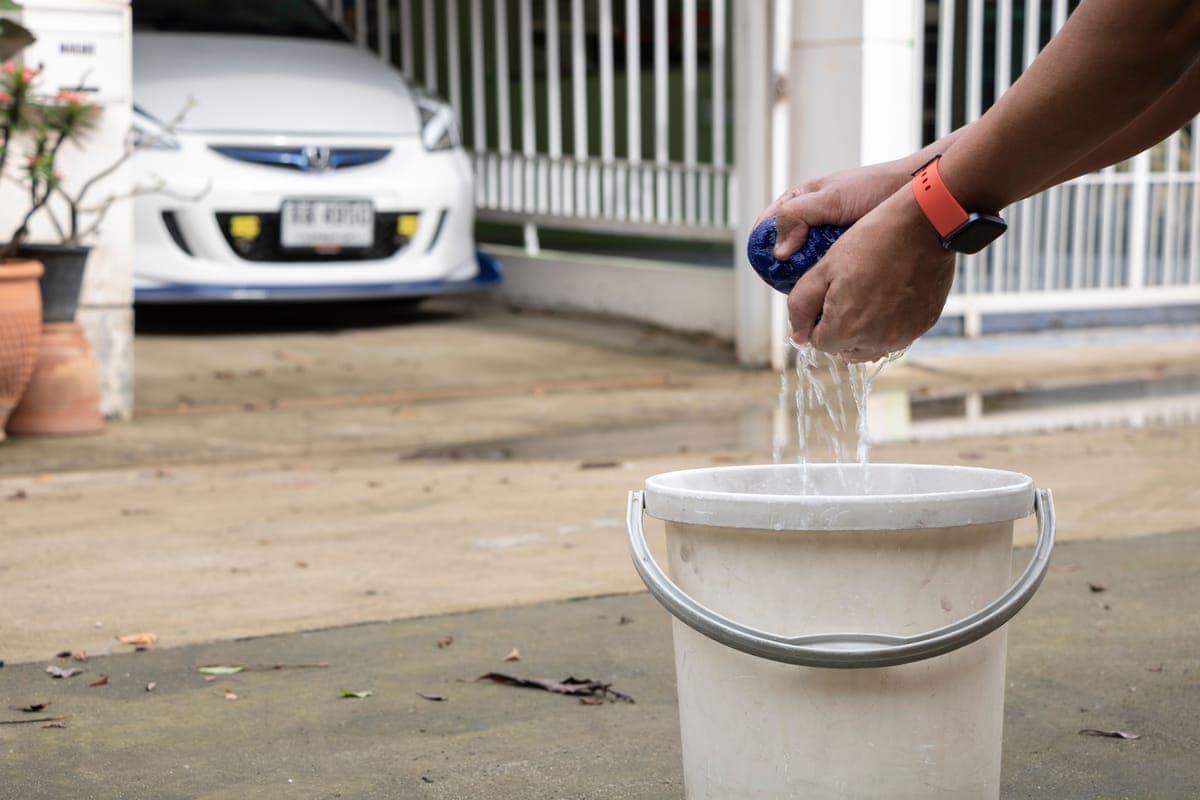
Two rinseless washes compared on published dilutions and what each leaves behind.
Head to head
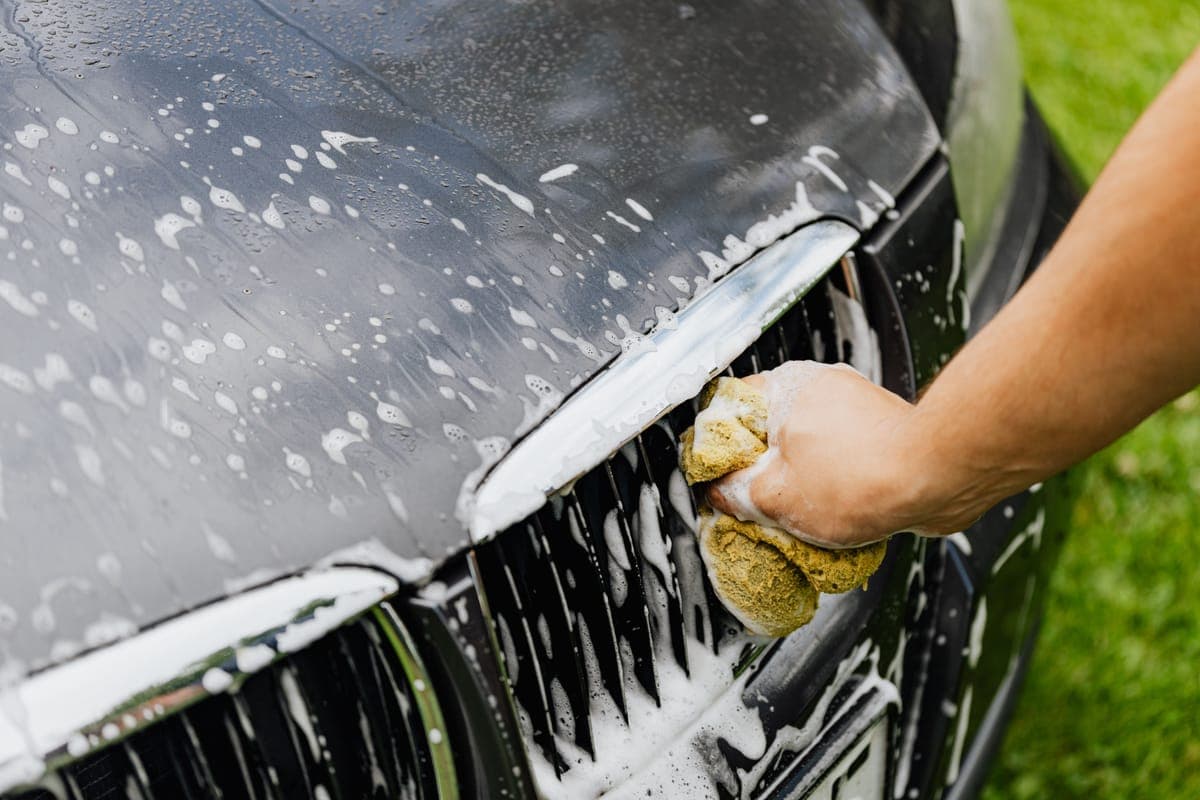
Two default car wash soaps compared on stated pH, sizes and cost per ounce.
Head to head
Two pressure washer foam cannons compared on published body, orifice and capacity.
How the job is actually done, what goes wrong, and which products from the roundups above belong in each step.
Guide
Eight steps, the plastic bag test, and the three mistakes that turn decontamination into correction.
Guide
The routine that prevents wash-induced swirls, and the nine-dollar accessory that makes it work.
Guide
What separates a wash from a detail, what each stage adds, and what each costs to do yourself.
Guide
What iron removers dissolve, why chemical decon precedes clay, and the full sequence in order.
Guide
When a pressure washer earns its place over a garden hose, on published prices and figures.
Guide
The test that tells you when to clay, how often that usually is, and what changes it.
Guide
When a foam cannon earns its price, on published prices and what each listing says.
Guide
The wash method and media that keep swirl marks off dark paint.

Guide
Wash frequency by what lands on the paint, not by the calendar.
Guide
Removing tree sap, with the removers that name sap in writing and the clay step for hardened deposits.
Guide
Identifying and removing the three kinds of water spot, on published chemistry.
Guide
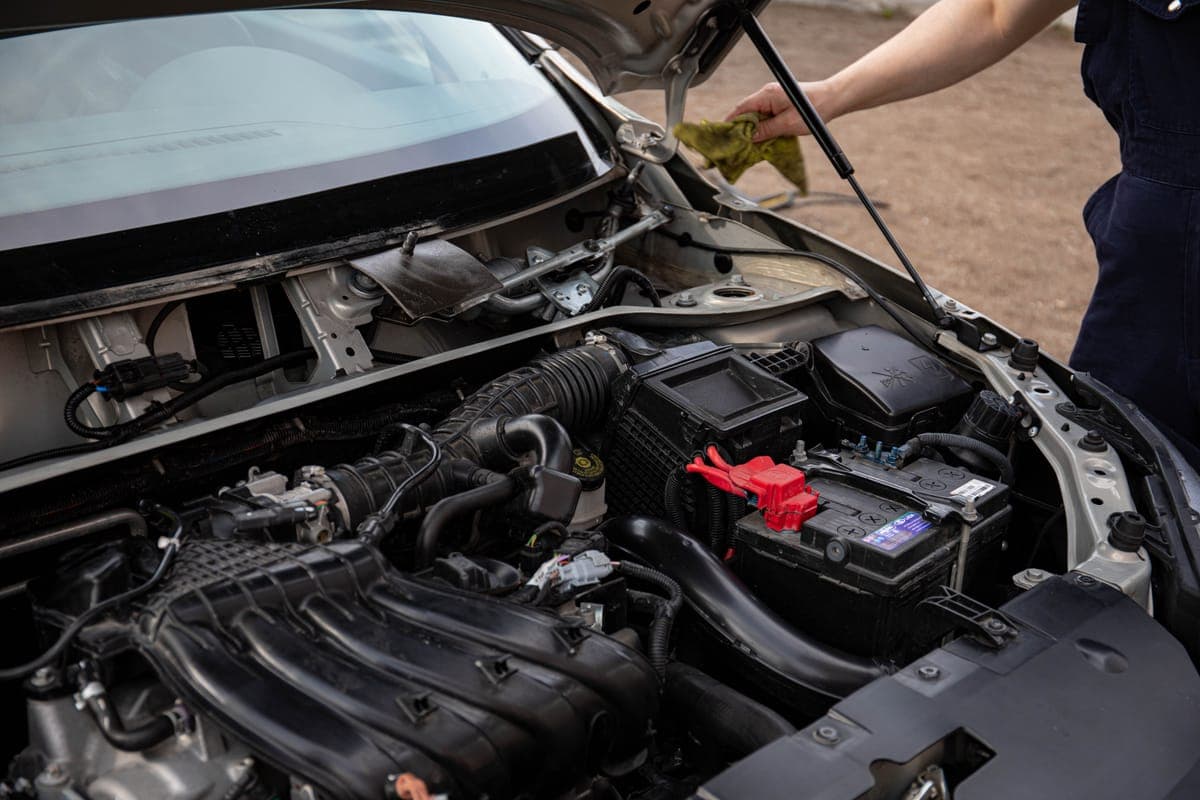
Detailing an engine bay with published surface-safety claims, plus the no-water method.
Guide
Removing adhesive and decal residue from paint and glass, then dealing with the outline.

Guide
Removing bird droppings before they etch, and what the makers actually publish about the damage.
Guide
The maker's catalog rates the PF22.2 at 3,200 PSI and 3 GPM. Every US listing says 5,000 PSI. Which figure your pressure washer has to meet.

Guide
The four-minute order of operations, and the two shortcuts that cause damage.
Guide
What stops overnight frost: the physics, the treatment you can buy, and how to choose a cover.
Guide
1,500-2,000 PSI is enough; GPM decides your foam. What 600 PSI can and cannot do.
What every number on this site is, and is not