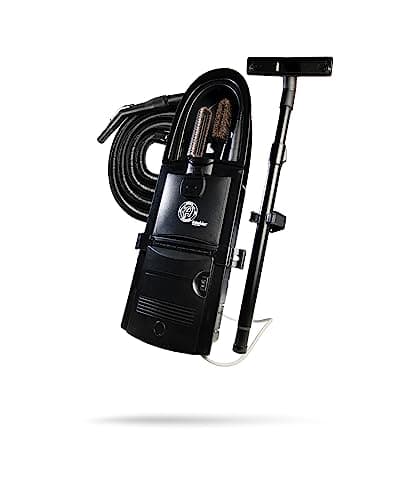
Best detailing vacuum
The Best Car Detailing Vacuum in 2026
Four vacuums compared on published suction, filtration and size. One publishes water lift.
Category
Chemicals get used up. Tools do not, which is why the towel you buy once is a better place to spend money than the soap you replace four times a year.
Last updated 2026-09-08
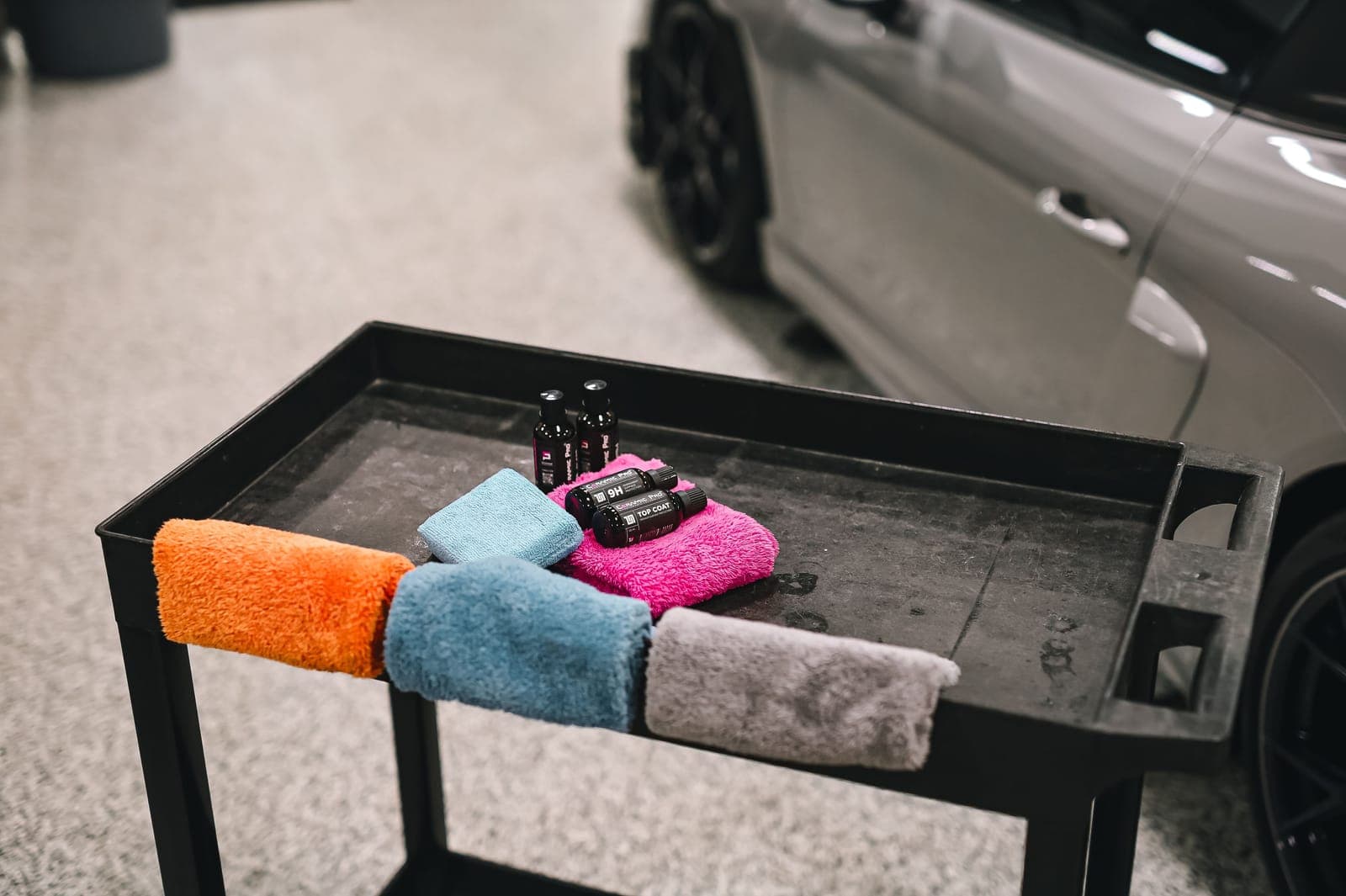
Every other hub on this site is about chemistry you use up. This one is about the things that stay. A gallon of soap is gone in a season; a good drying towel is a five-year purchase and a polisher is a decade one. That changes the arithmetic completely, and it is why the cheapest sensible advice in detailing is to buy chemicals at the value end and tools at the good end.
It is also the hub where published specifications are best, because tools are physical objects with measurable properties. Microfiber towels publish GSM. Polishers publish orbit throw. Extractors publish tank capacity. One vacuum in this hub publishes a water lift figure. Those numbers make genuine comparison possible in a way that a bottle of “advanced” anything never will.
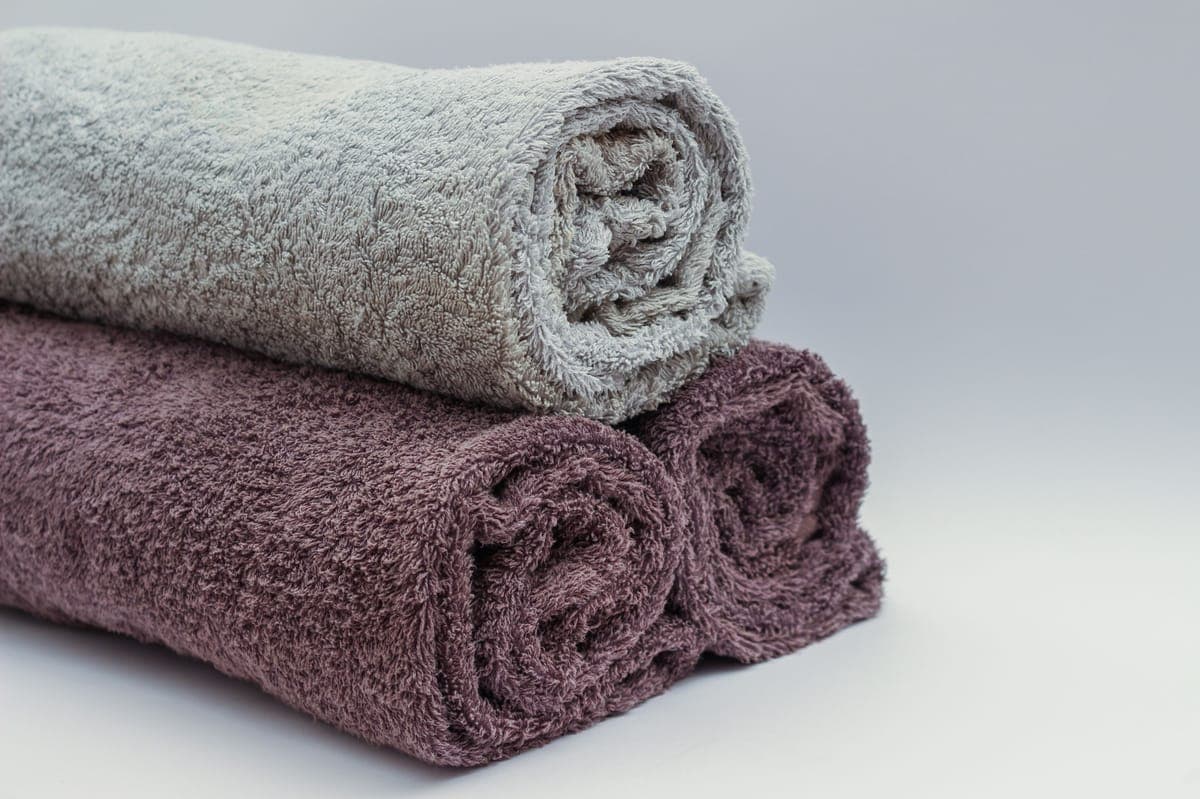
Grams per square meter is the density of a towel’s pile, and it is the closest thing the towel market has to a specification. Higher is not simply better. A 1,100gsm drying towel holds an enormous amount of water and becomes heavy and unwieldy when saturated. A 280gsm pearl-weave towel holds almost nothing and is exactly right for leveling a coating, because a plush towel grabs coating residue and drags it.
Almost nobody publishes suction for a car vacuum, which is remarkable given that suction is the entire product. Watts describe the motor, not the airflow, and a high-wattage machine with poor sealing moves less air than a modest one that is well designed. The one figure worth having is water lift, sometimes called seal suction, and exactly one vacuum in this hub publishes it.
For most people the honest answer is that a shop vacuum they already own, fitted with a crevice tool and a brush head, does ninety percent of the job. The case for a dedicated detailing vacuum is filtration and size rather than raw power: a cabin is a small sealed space, and a vacuum that leaks fine dust back out is redistributing rather than removing. That is what HEPA filtration is for, and it is the specification worth paying for. The comparison is in shop vac versus detailing vacuum.
A modern interior is full of piano-black trim that scratches if you look at it hard, and a boar-hair brush on that surface leaves marks you will see every time the sun hits it. Ultra-soft synthetic bristles exist for exactly that surface, and boar hair exists for engine bays and brake calipers where synthetic is too soft to shift anything. Owning both costs under forty dollars and is the difference between a brush set and a mistake.
The same logic runs through the rest of this hub. A grit guard costs nine dollars and prevents an entire class of wash damage. A tool that fits your hand for an hour is worth more than one with a better motor that does not. Everything here is ranked on what the makers publish, and the blanks are printed rather than filled in — see how we research.
Every product in these roundups is scored on published manufacturer figures, with the working printed underneath the number. Nothing here has been tested by us.
Best detailing vacuum
Four vacuums compared on published suction, filtration and size. One publishes water lift.
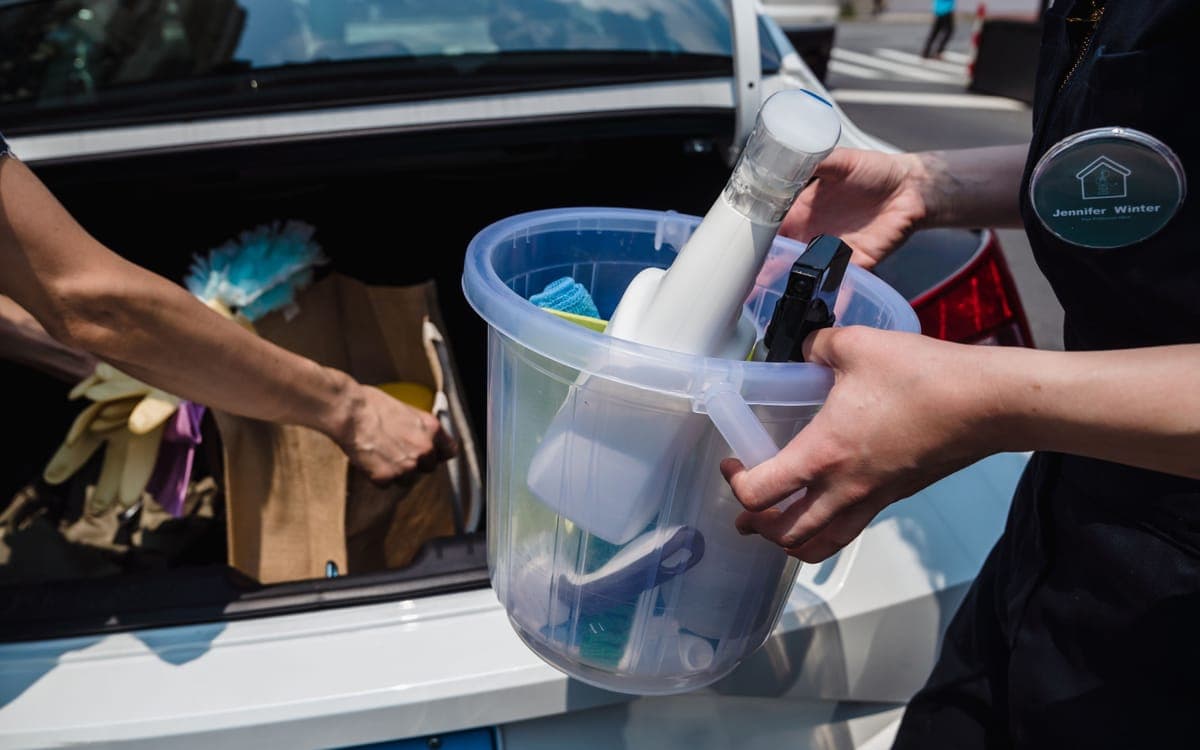
Best detailing kit
Four kits compared on published contents. One itemizes everything; one publishes nothing.
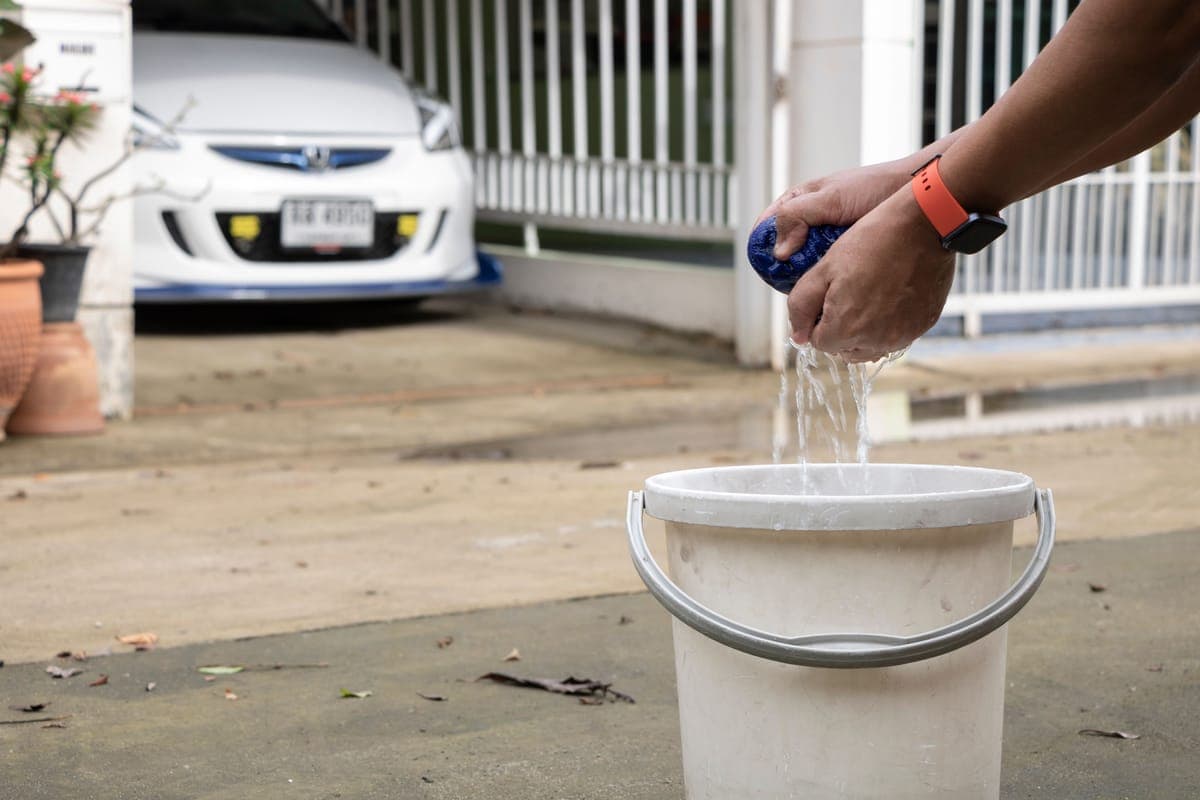
Best beginner kit
Beginner kits ranked on published contents, with the two items every one of them omits.
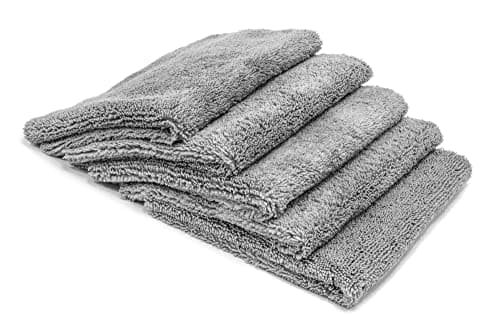
Best microfiber towels
Six towels compared on published GSM, weave and edge. The only category where GSM is widely published.
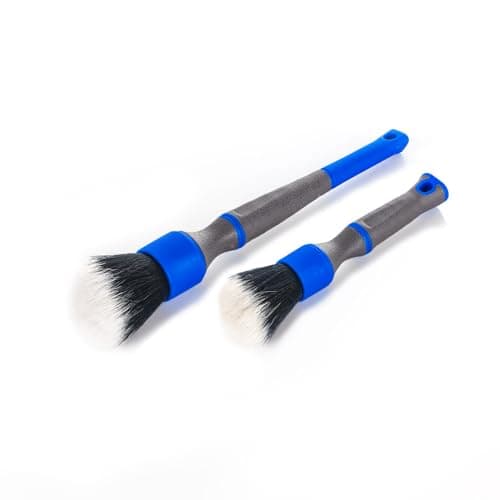
Best detailing brushes
Four brush sets compared on bristle type, ferrule construction and named surfaces.
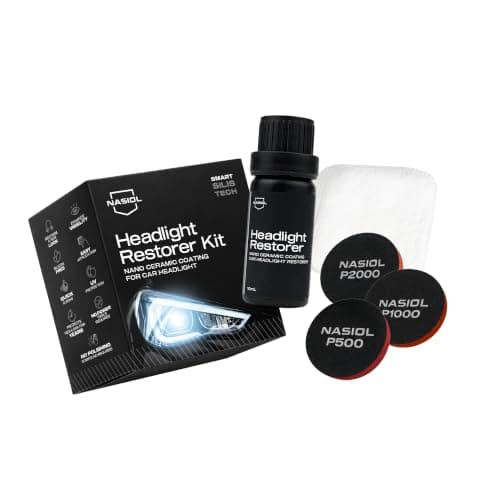
Best headlight kit
Five kits compared on sanding media, protection step and published durability.
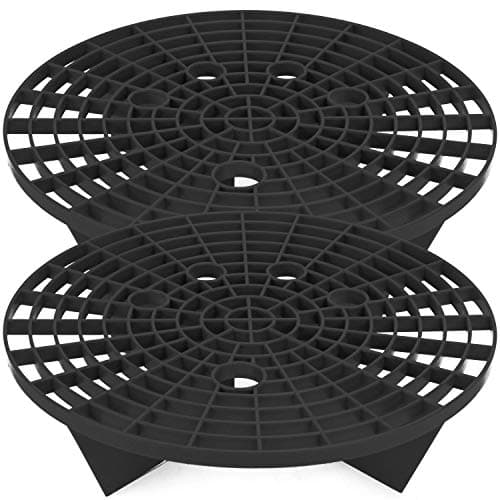
Best bucket setup
The grit guard, the washboard and the bucket, ranked on what each actually prevents.
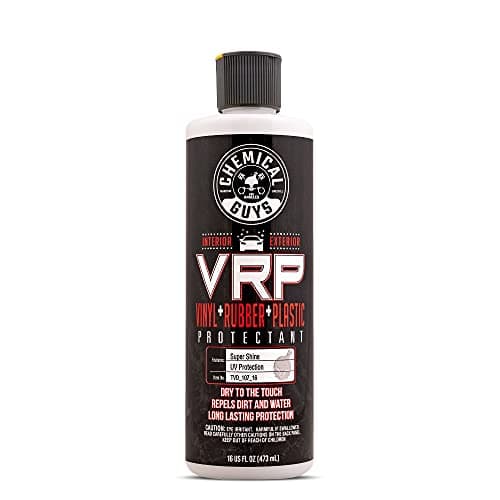
Best trim restorer
Three approaches to faded trim compared: dressing, restorer and bonded coating.
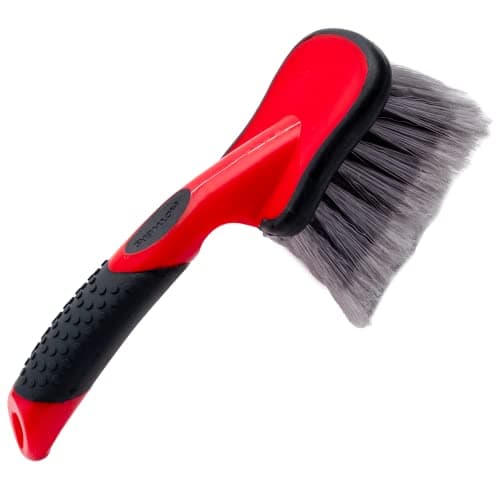
Best wheel brush
Six wheel brushes compared on published head construction, flexibility and replaceable faces.
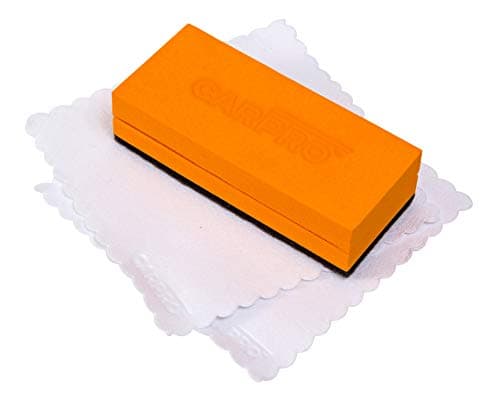
Best applicator pad
Applicator pads compared on published dimensions, construction and whether they resist soak-through.
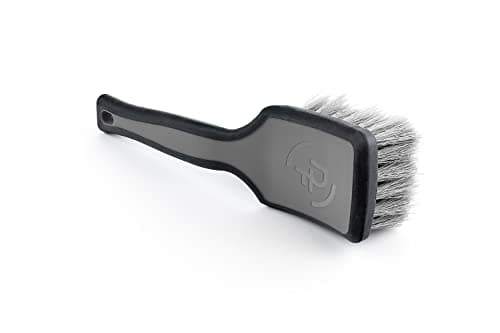
Best tire brush
Six tire brushes compared on published bristle type, edge design and size.

Best inspection light
Seven inspection lights compared on published output, color temperature, runtime and charge time.
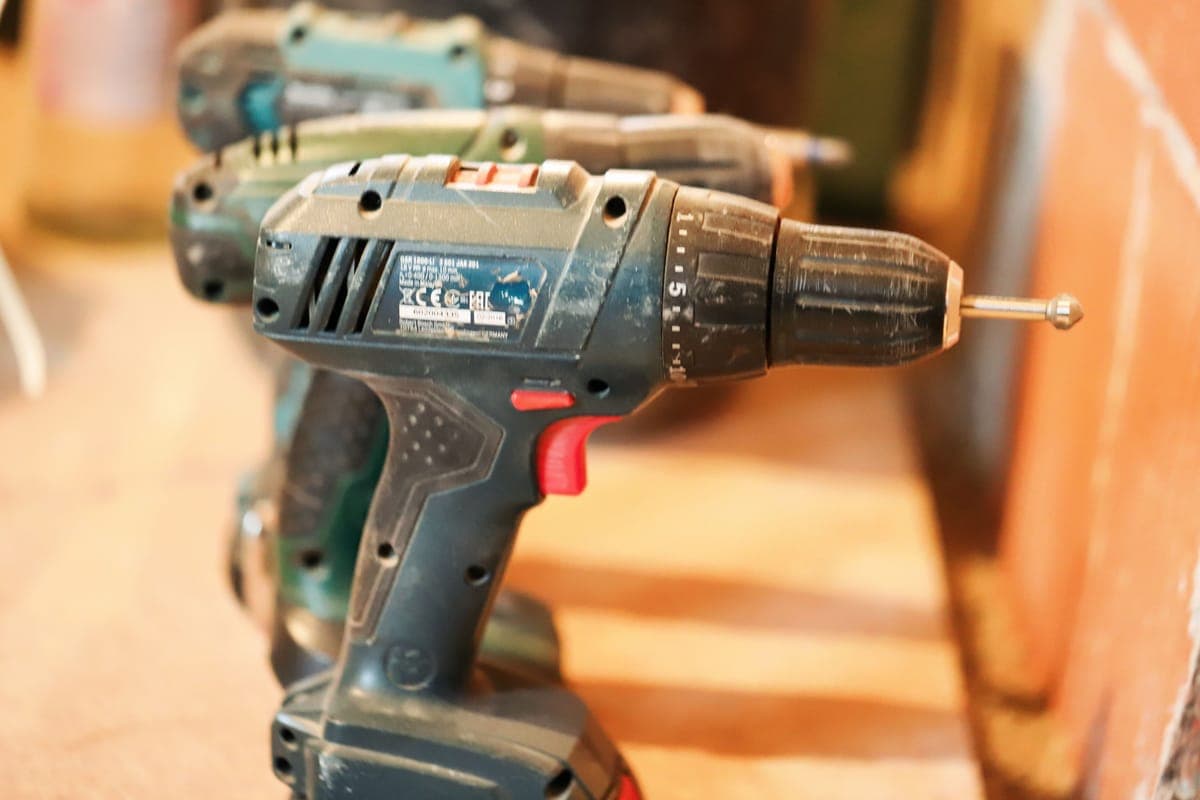
Best drill brush
Seven drill brush attachments compared on published diameter, bristles and rated surfaces.
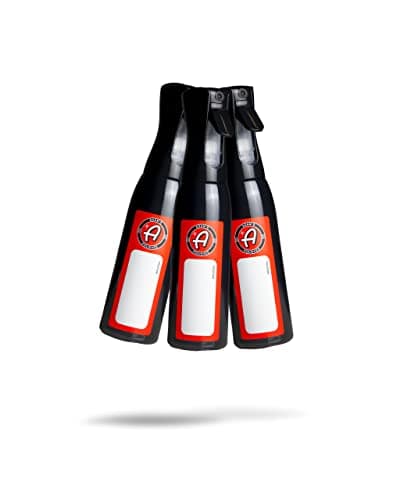
Best spray bottle
Eight spray bottles and triggers compared on capacity, head type and published chemical compatibility.
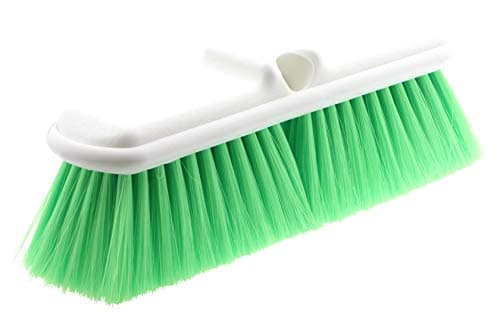
Best wash brush
Five wash brushes compared on bristle length, bumpers and handles, and when a brush beats a mitt.
Best microfiber detergent
Four microfiber detergents compared on published dose, chemistry and cost per load.
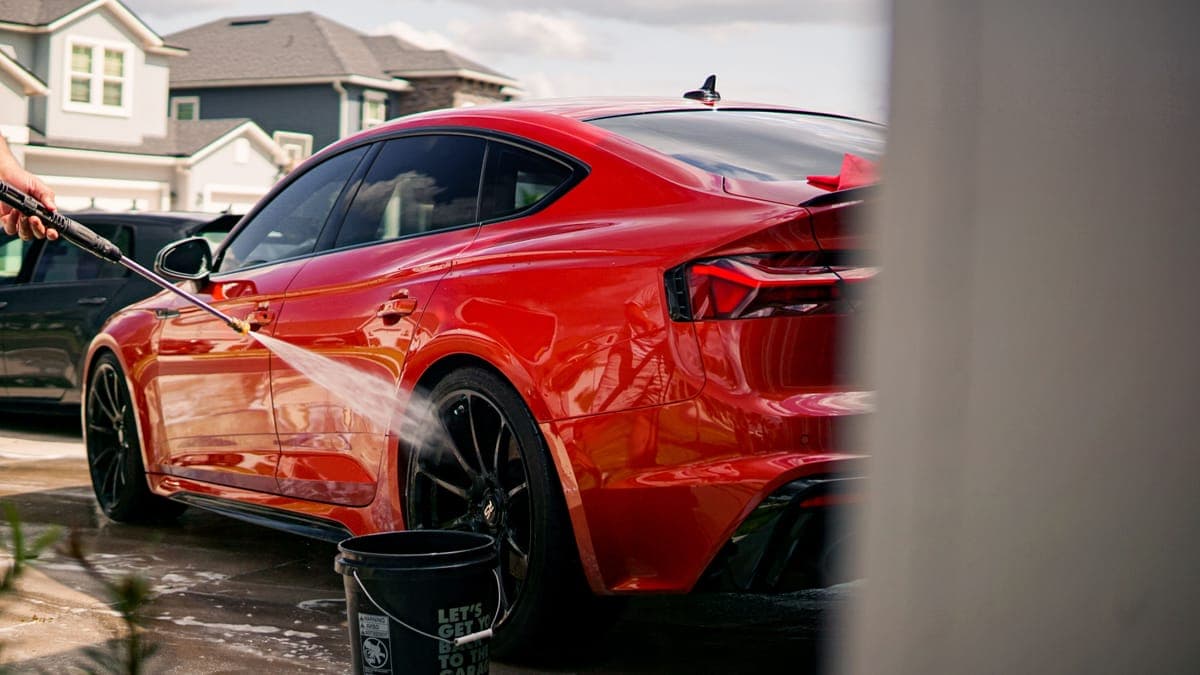
Best bucket dolly
Four bucket dollies compared on load rating, casters, locks and bucket fit.
Best detailing cart
Five rolling carts compared on shelf rating, bottle and polisher storage, and size.
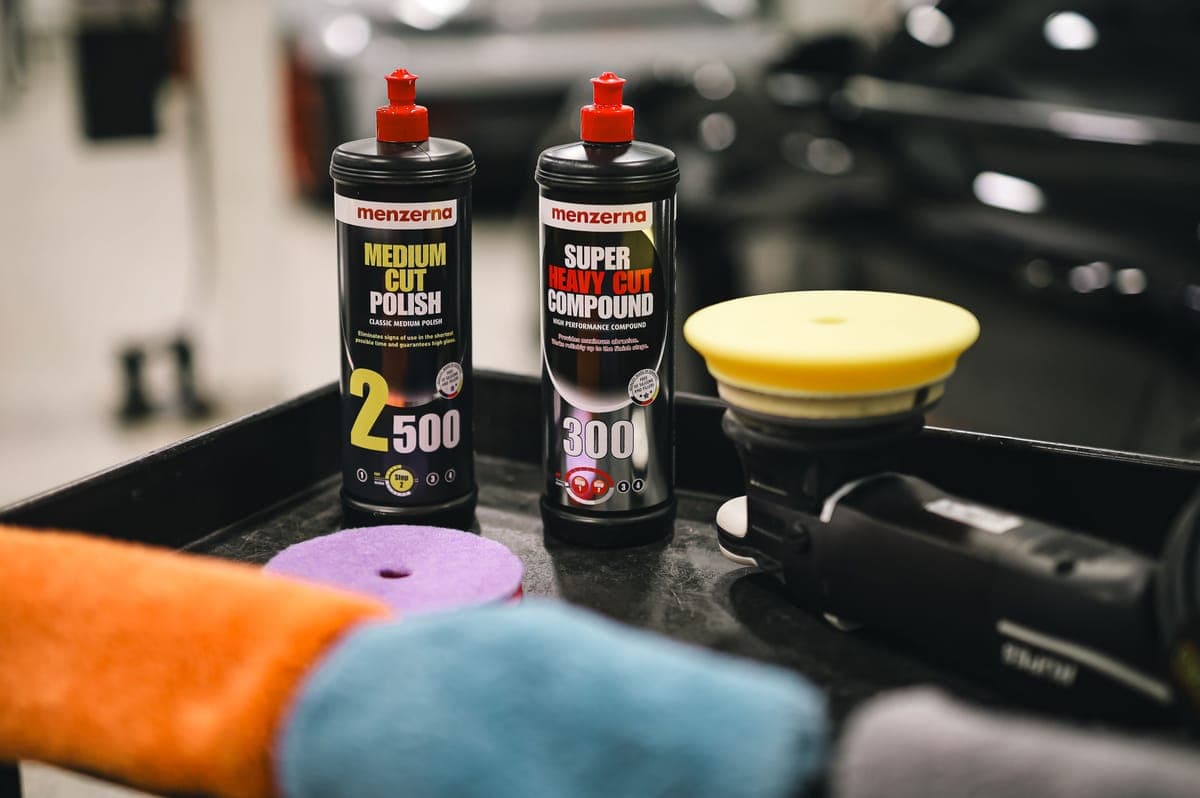
Best polishing pad cleaner
Six pad cleaners compared: a liquid, a powder, a brush, a spur, an air gun and a washer.
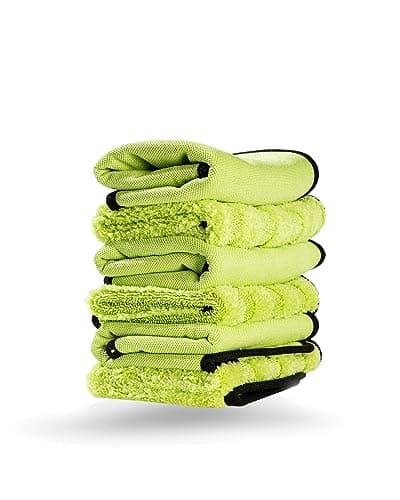
Best glass towel
Eight glass towels compared on GSM, size, weave and edge.
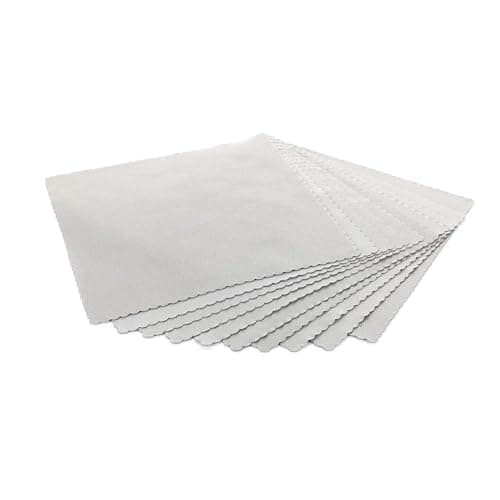
Best towel for coating removal
Four coating removal towels compared on GSM, pile, size and price.
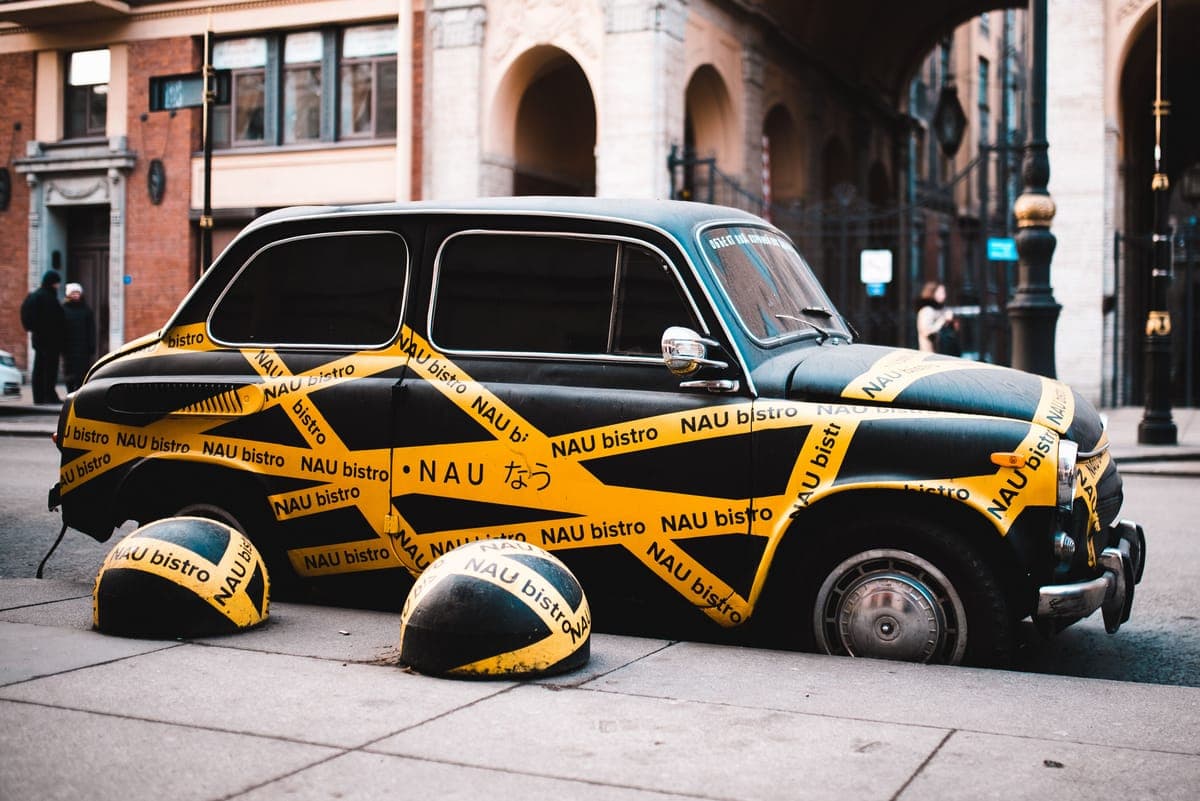
Best masking tape for detailing
Four tapes compared on width, roll length and tack for masking before polishing.
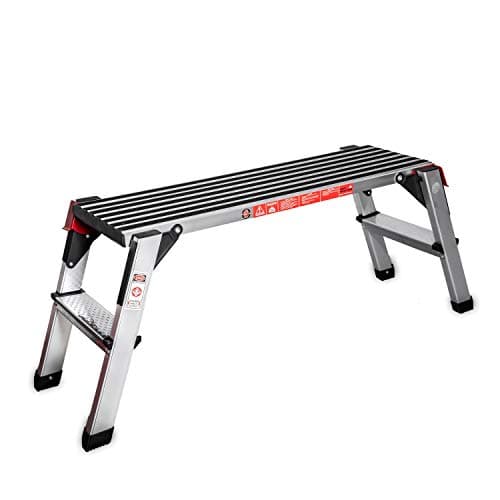
Best detailing stool
Rolling seats, a step platform, a kneeling mat and a creeper, compared on height and rating.
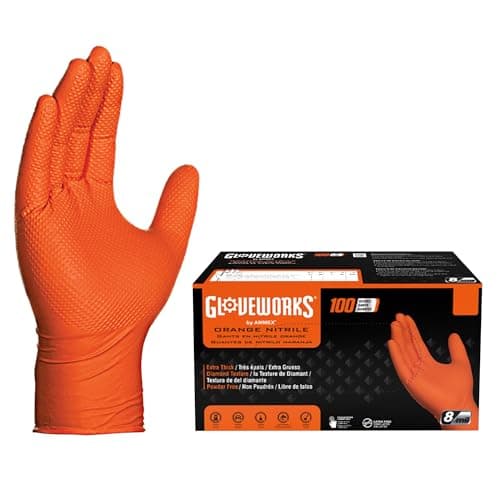
Best nitrile gloves for detailing
Four nitrile gloves compared on thickness, grip, lining and price per glove.
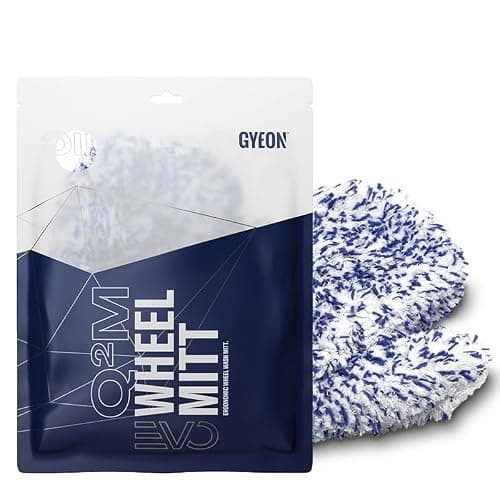
Best towel for polish removal
Five polish removal towels compared on GSM, pile and price per towel.
Best windshield cleaning tool
Four windshield cleaning tools compared on head, bonnets, towels and price.
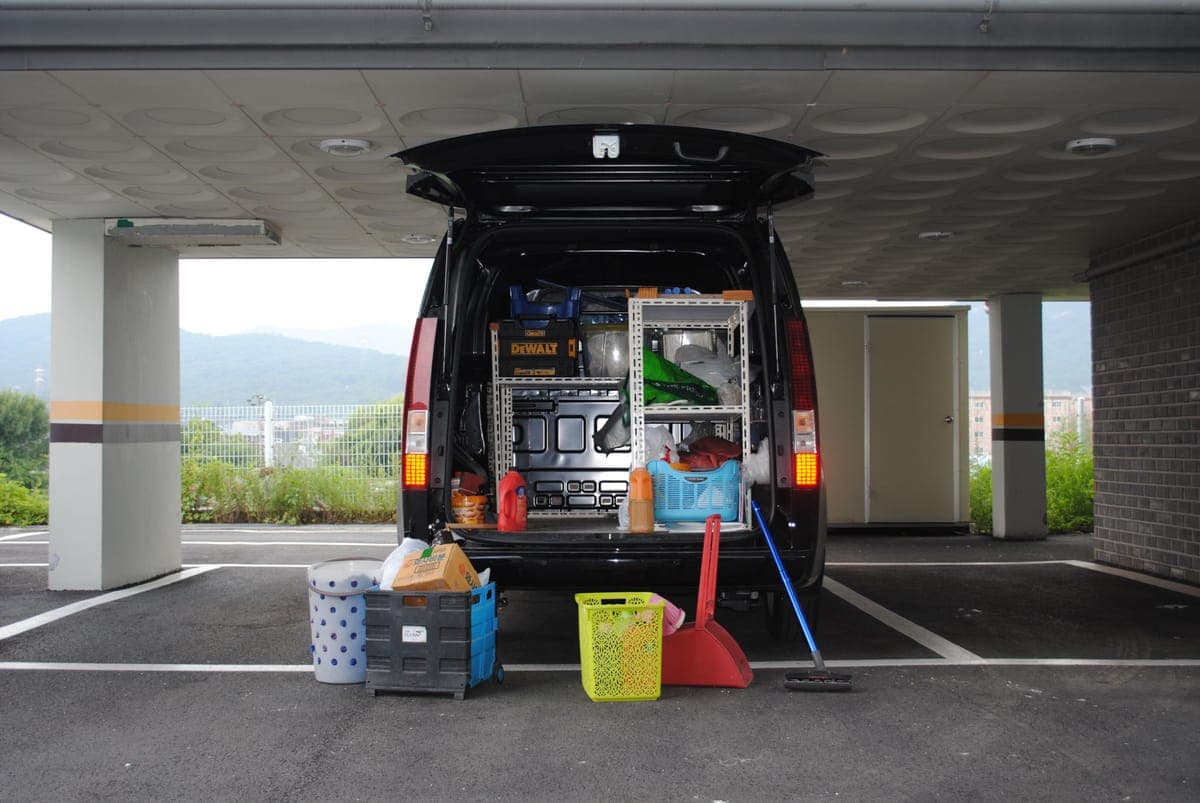
Best detailing bag
Four detailing bags compared on bottle capacity, dimensions and spill protection.
Best small garage setup
Three space-saving picks ranked on published dimensions, weight and mounting.
Best large-vehicle picks
Three picks for large vehicles, ranked on published capacity, volume and towel size.
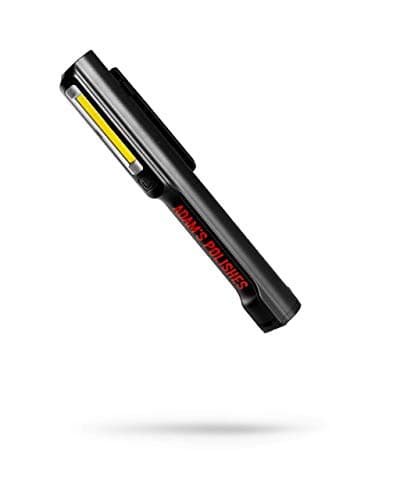
Best gift for a detailer
Six gifts from $14 to $180, chosen for what a detailer will not buy for themselves.
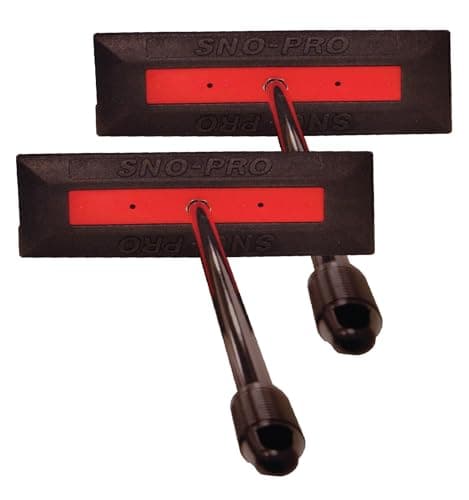
Best no-scratch snow tool
Three foam snow tools compared on published head material, reach and whether the maker names paint.
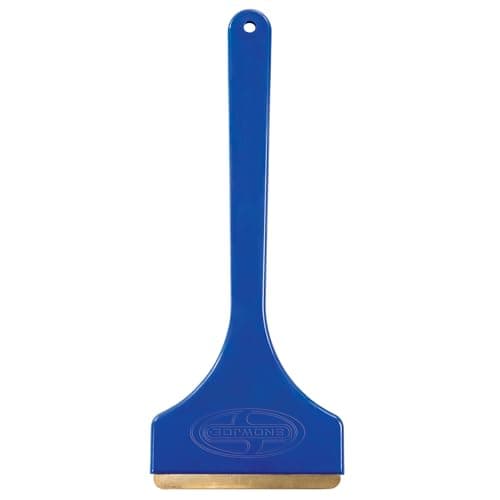
Best stocking stuffer
Ten car care gifts under $20, priced on Amazon the day this was written.
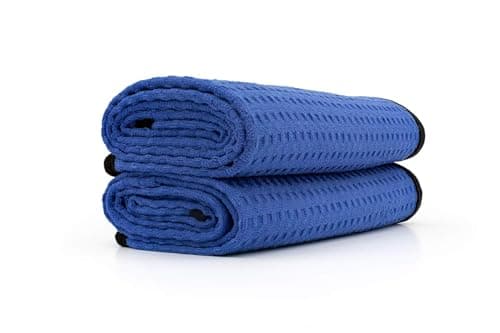
Best gift for a non-detailer
Eight gifts from $8.99 to $144 for someone who likes a clean car but does not detail.
Best ice scraper
Four scrapers with published specs, from a $9.97 brass blade to an 18 inch snow and ice combo.
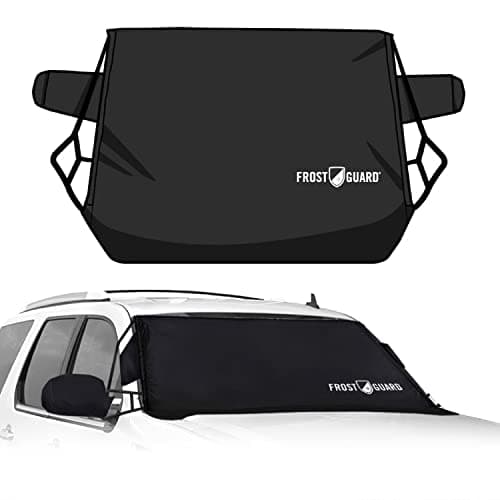
Best windshield cover
Three covers with published sizes, weights and fabric, and the retention method that survives wind.
The model-versus-model questions this category actually gets asked, answered with a stated winner and the condition under which it flips.
Head to head
Twelve brands ranked on how much each publishes, based on every product documented on this site.
Head to head
Where cordless earns its premium in detailing, and the battery figures nobody publishes.
Head to head
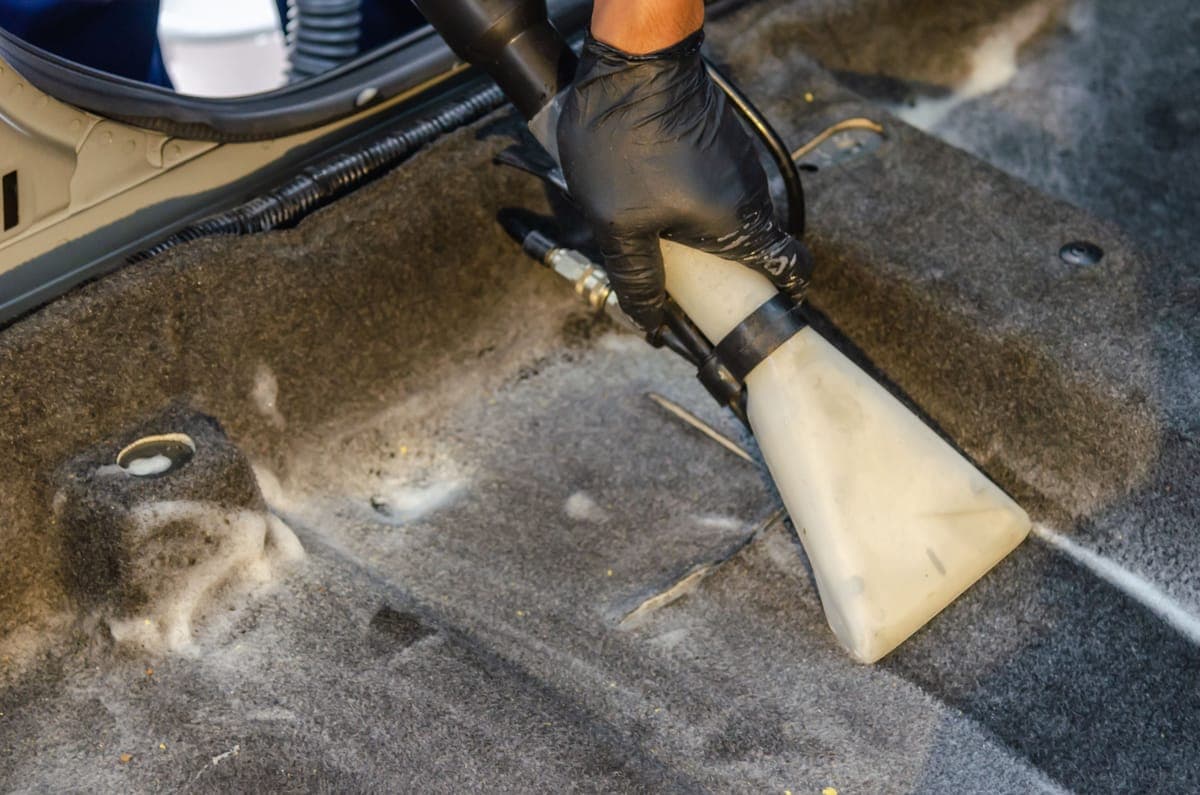
Where a dedicated detailing vacuum earns its premium over the shop vacuum you already own.
Head to head
Chamois against plush microfiber, and where the synthetic chamois hybrids actually land.
Head to head
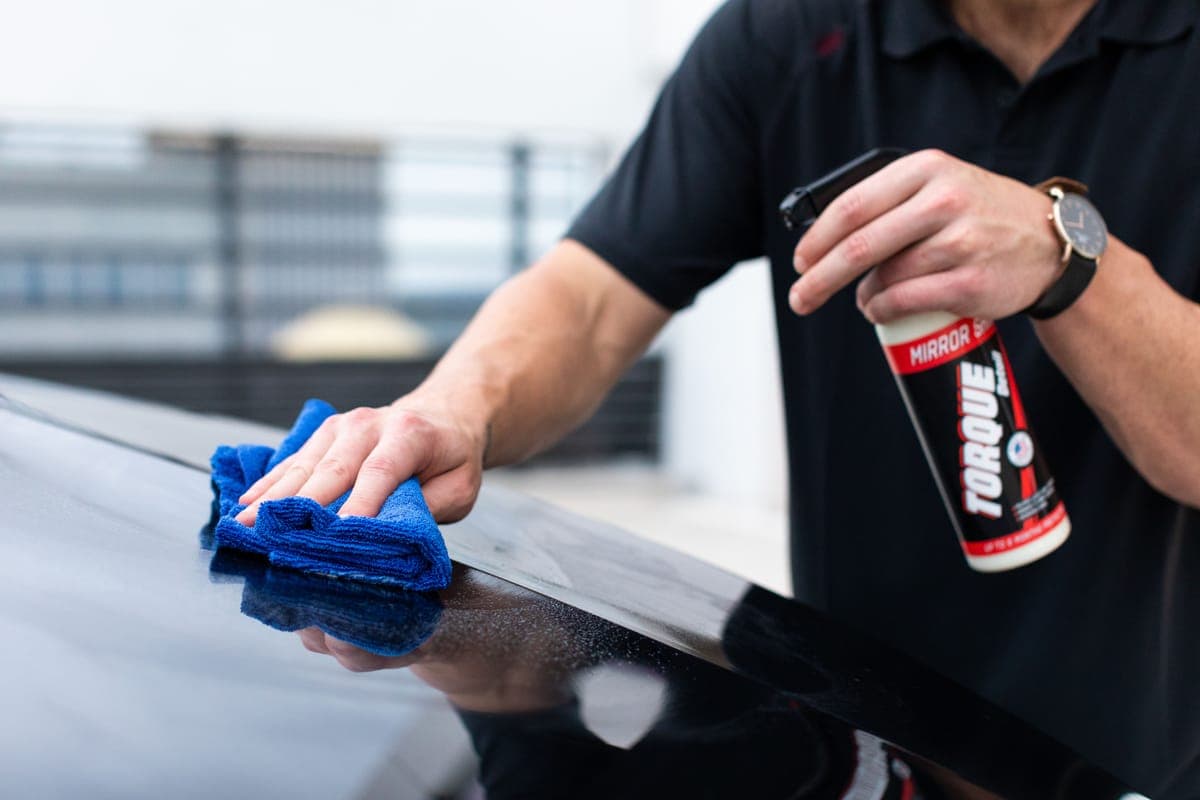
Twist loop against waffle weave, compared on published GSM, weave and sizes.
Head to head
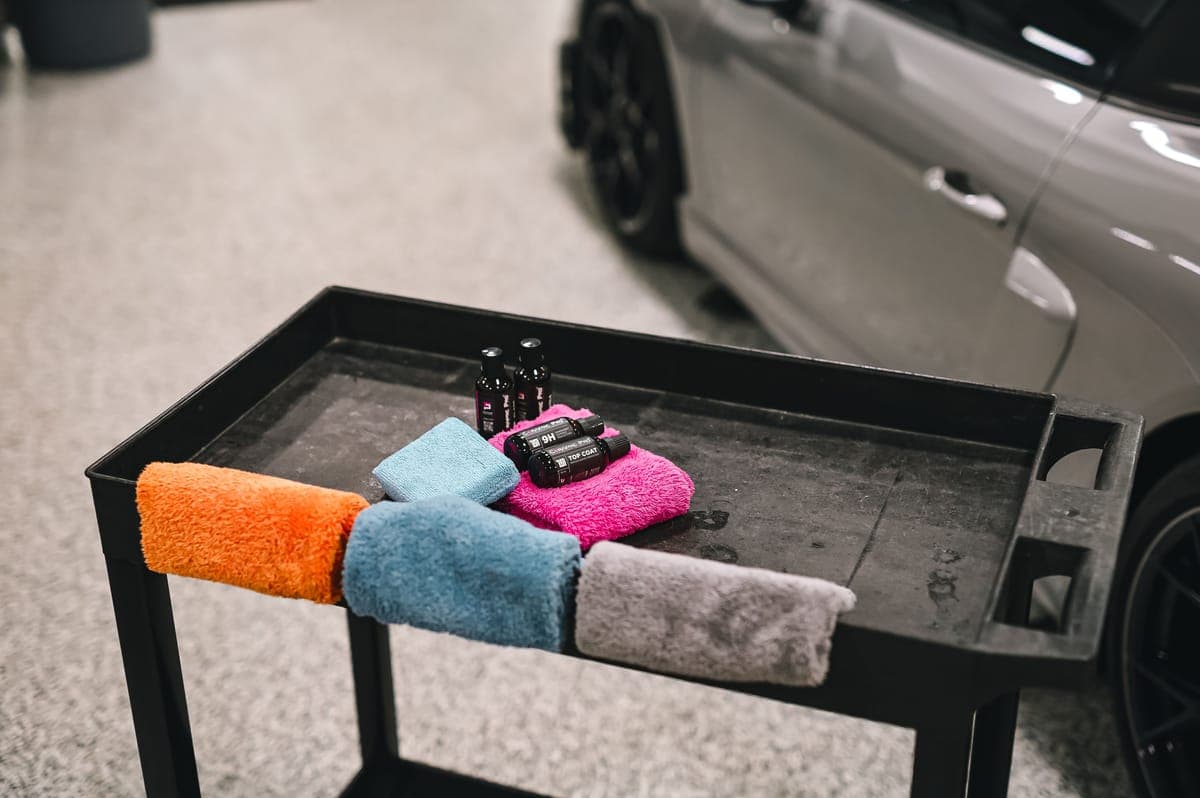
Two weights of the same edgeless towel compared on published GSM, packs and sizes.
How the job is actually done, what goes wrong, and which products from the roundups above belong in each step.
Guide
What GSM measures, what it misses, and which weight belongs to which job.
Guide
The checklist to price any kit against, and the two items kits routinely omit.
Guide
Three budgets spent on named products with published prices, and what each tier adds.
Guide
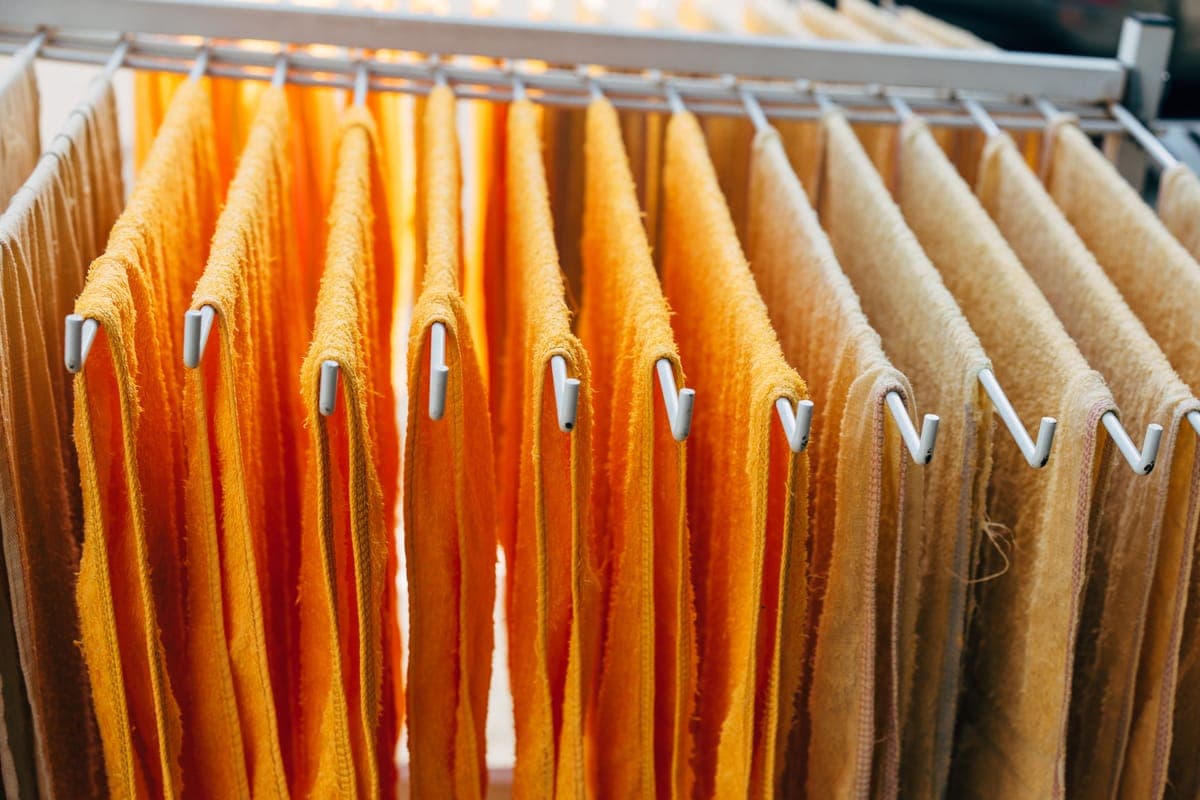
Washing microfiber, cleaning pads and storing tools so they last years rather than months.
Guide
What a sub-$100 detailing kit buys, at published contents and prices.

Guide
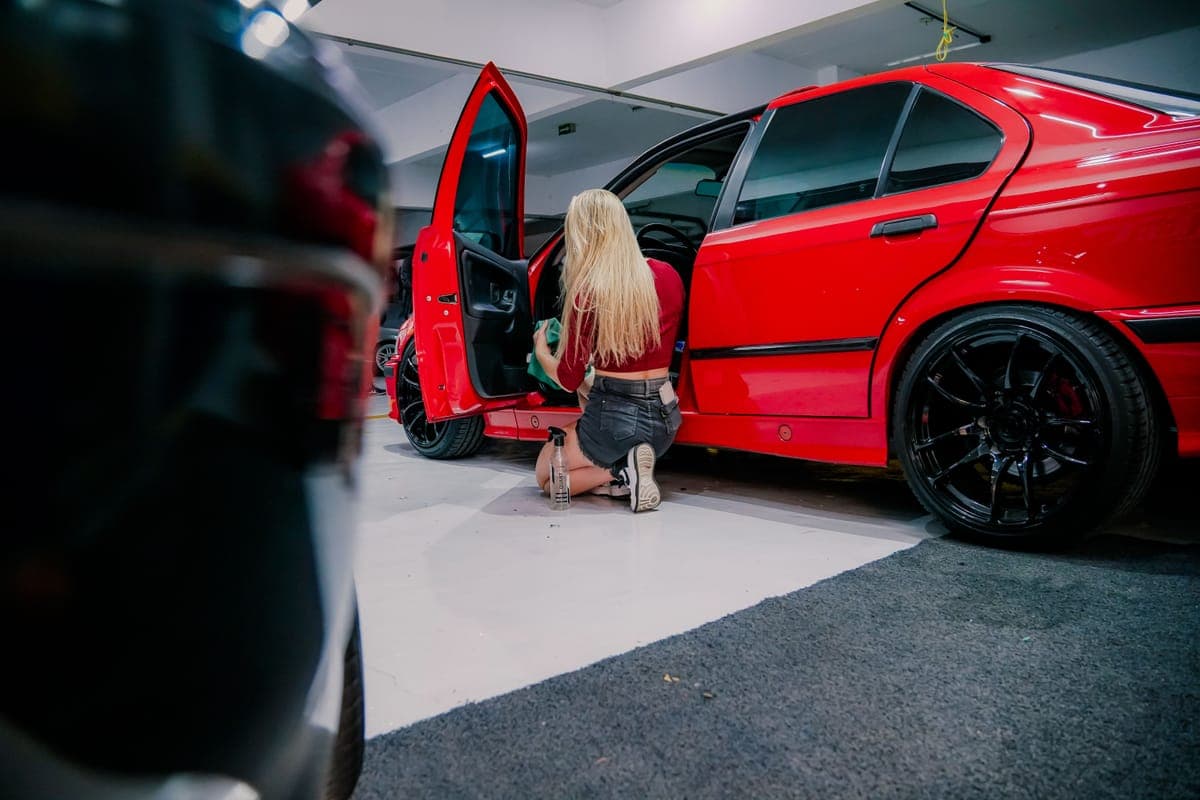
The order of a full detail, and why interior comes first.

Guide
The new-car list: six products in order of priority, and the dealer add-ons to decline.
Guide
Three baskets at about $60, $125 and $200, with every price shown and added up.
What every number on this site is, and is not