Best interior cleaner
The Best Car Interior Cleaner in 2026
Four interior cleaners compared on named chemistry, stated surfaces and cost per ounce.
Category
The interior is where you actually spend your time with the car, and it is the category where manufacturers publish the least about what is in the bottle.
Last updated 2026-09-08
Exterior detailing is what people photograph. Interior detailing is what they notice every single day, and it is the category where the published information is thinnest across this entire site. Almost nobody publishes a pH for an interior cleaner. Almost nobody publishes a UV rating for a dashboard protectant sold on UV protection. The transparency axis in our scoring does more work in this hub than anywhere else, because there is so little else to score.
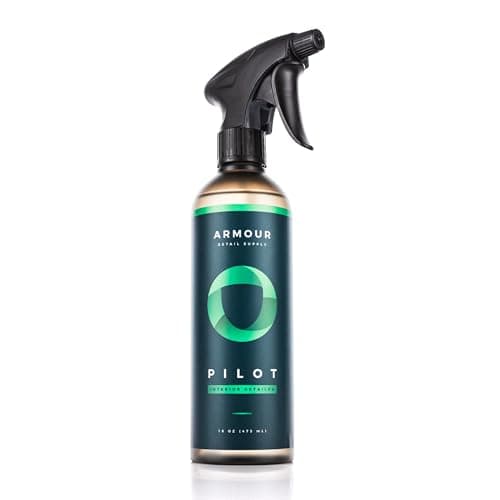
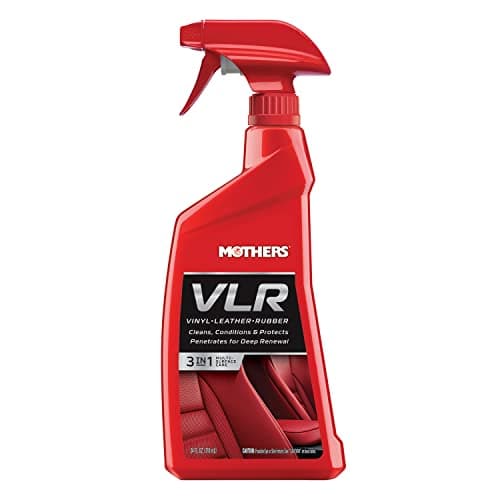
What can be checked is chemistry that a maker chooses to name. The Rag Company states that Pilot is silicone-free and dye-free. Mothers names neatsfoot oil and lanolin as the conditioning agents in VLR. P&S names chlorine dioxide as the active in Odor Doc. Those are three genuinely useful disclosures in a category full of adjectives, and they are why those products score well here.
Most of what separates a good interior product from a bad one comes down to silicone. A silicone-heavy dressing makes a dashboard shine, feel slick, attract dust, throw glare onto the windshield at sunset, and — over years of heat cycling — contribute to the cracking it was supposed to prevent. A silicone-free product leaves a matte, factory finish that photographs badly and wears well.
This is a genuine preference rather than a right answer, and the useful move is to know which one you are buying. Products that say silicone-free on the label are telling you they leave a matte finish. Products that promise a deep black wet look are telling you the opposite. Our dashboard protectant roundup splits them on exactly that line rather than pretending one is objectively better.
Interior work has a sequence, and it is simpler than the exterior one: everything falls downwards. Headliner before dashboard, dashboard before seats, seats before carpet, carpet before mats, and glass absolutely last because everything you do before it puts overspray on the inside of the windshield. Vacuuming happens twice — once at the start to remove loose debris, once at the end to collect what agitation has brought to the surface.
The most common mistake is cleaning glass first because it is satisfying, then spending the rest of the detail putting cleaner mist and dressing sling back onto it. The second most common is using an all-purpose cleaner at full strength on a modern dashboard, where soft-touch coatings are far more delicate than the plastics they replaced.
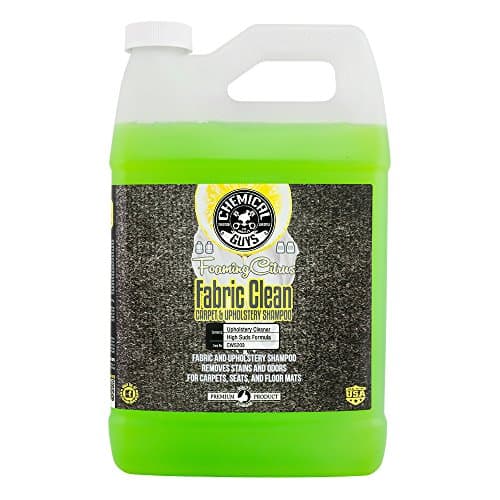
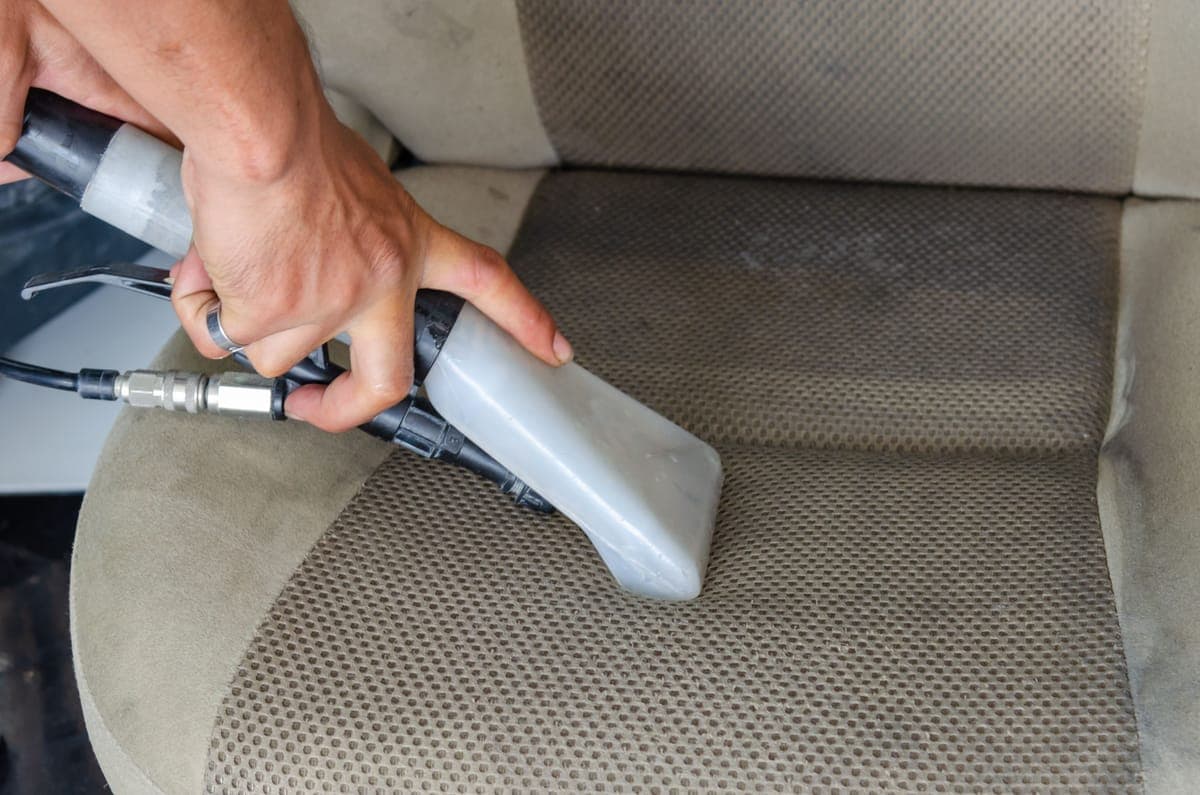
Cloth seats and carpet do not get cleaned by a spray and a towel; they get cleaned by agitation and extraction. A spray-on cleaner lifts a stain to the surface of the fiber and then, if nothing removes it, deposits it back as the moisture evaporates. That is why stains reappear a day later and people conclude the product failed.
The genuinely effective tool is an extractor, and it is the one place in this category where the answer costs hundreds of dollars rather than tens. Our carpet cleaning roundup includes one, because a page about cleaning carpet that never mentions the machine that actually cleans carpet is not being straight with you. For most people, a low-foaming chemical plus a stiff brush plus a wet vacuum gets most of the way there, and the odor guide covers what to do when the smell is in the foam rather than on the fabric.
Nothing here has been tested. Every figure is the manufacturer’s own, cited to the page it came from — see how we research.
Every product in these roundups is scored on published manufacturer figures, with the working printed underneath the number. Nothing here has been tested by us.
Best interior cleaner
Four interior cleaners compared on named chemistry, stated surfaces and cost per ounce.
Best leather care
Five leather products compared on named agents, stated materials and cost per ounce.
Best upholstery cleaner
Four fabric cleaners compared on foam behavior, extractor compatibility and cost per ounce.
Best carpet cleaner
Carpet chemicals plus the extractor that actually removes soiling, with published tank capacity.
Best dashboard protectant
Five protectants compared on finish and stated UV claims. Nobody publishes a rating.
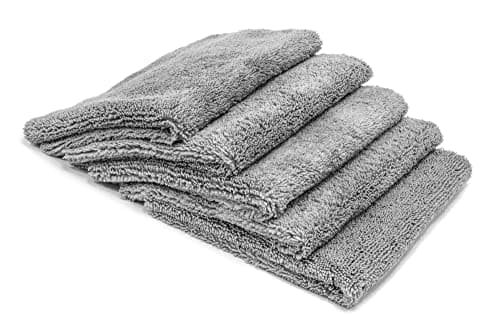
Best glass cleaner
Four glass products compared on stated ammonia content and tint safety.
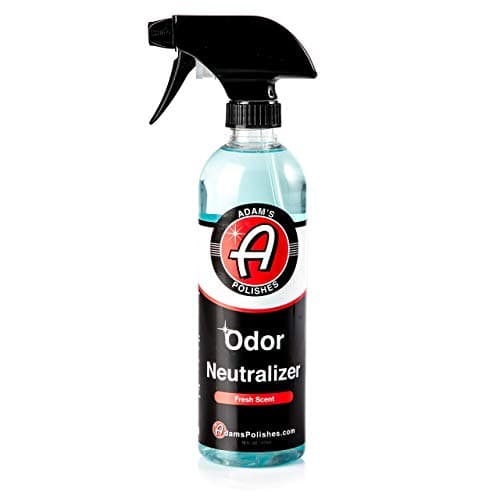
Best odor eliminator
Odor products compared on mechanism and named chemistry. One names chlorine dioxide; nobody else names anything.
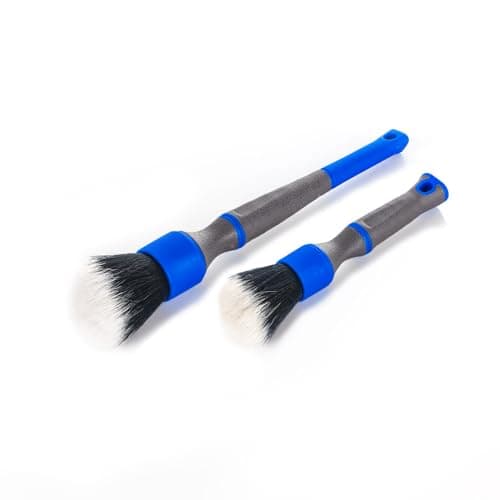
Best detailing brushes
Four brush sets compared on bristle type and the surfaces each maker names.
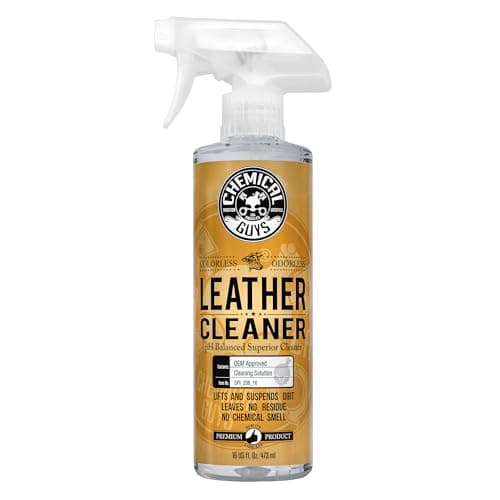
Best leather cleaner
Six leather cleaners compared on published pH claims, leather types, form and cost per ounce.
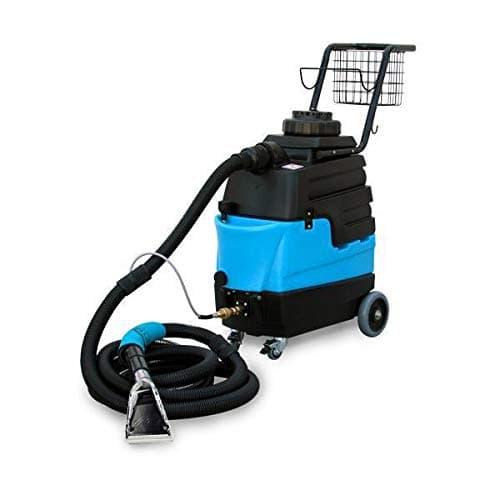
Best extraction machine
Carpet extractors compared on published water lift, tank capacity, heater wattage and warranty.
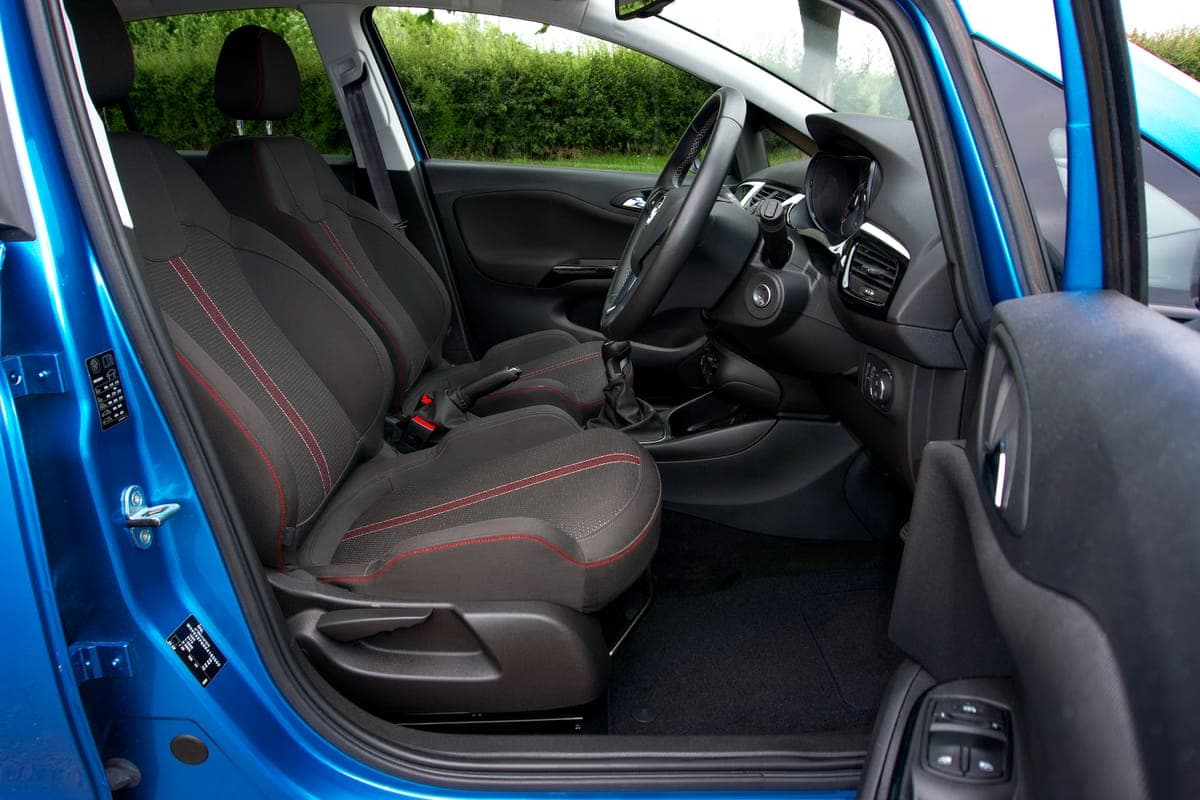
Best fabric protector
Fabric protectants compared on published durability, cure schedule and named chemistry.
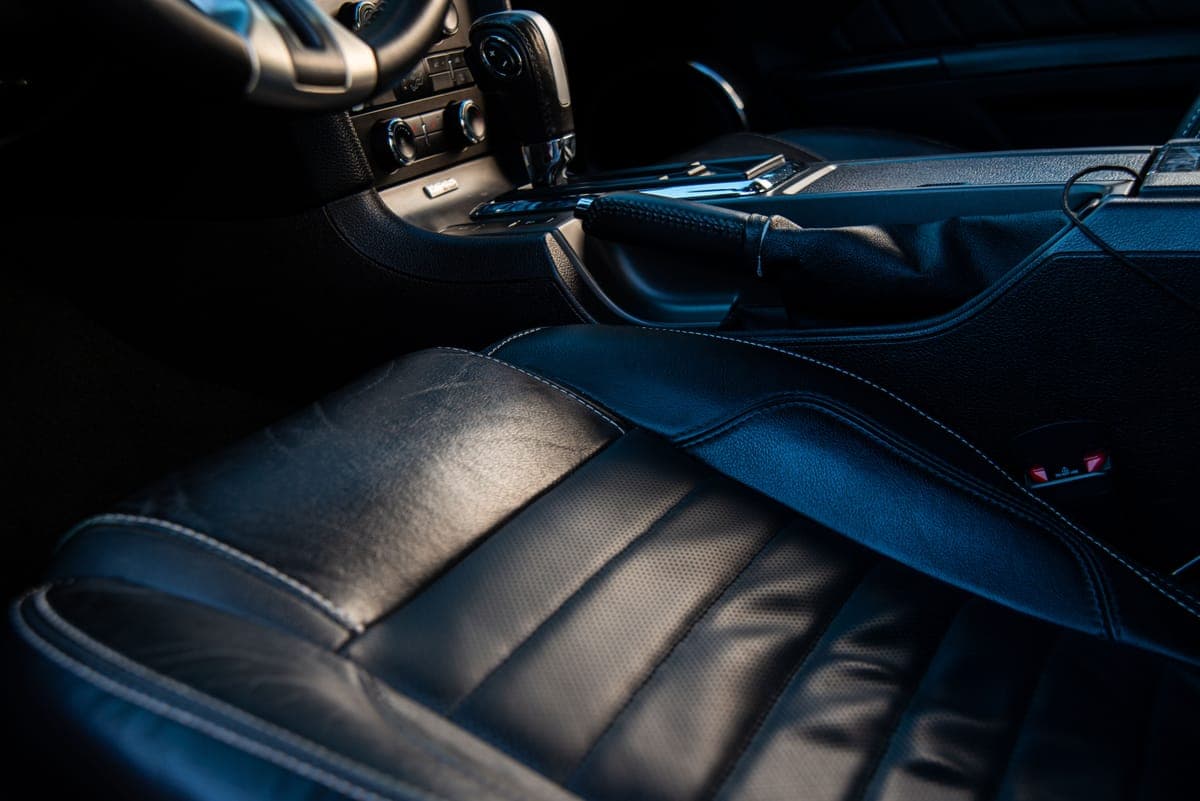
Best leather protectant
Five leather protectants compared on published durability, reapplication intervals and what each says it stops.
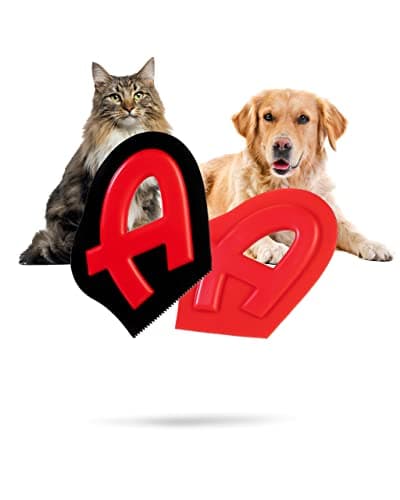
Best pet hair remover
Five rubber pet hair tools compared on published hardness, construction and shape.
Best all-purpose cleaner
Five all-purpose cleaners compared on published dilution, stated surfaces and cost per ounce.
Best screen cleaner
Screen cleaners and interior sprays compared on ammonia-free and anti-static claims and the screens they name.
Best floor mat cleaner
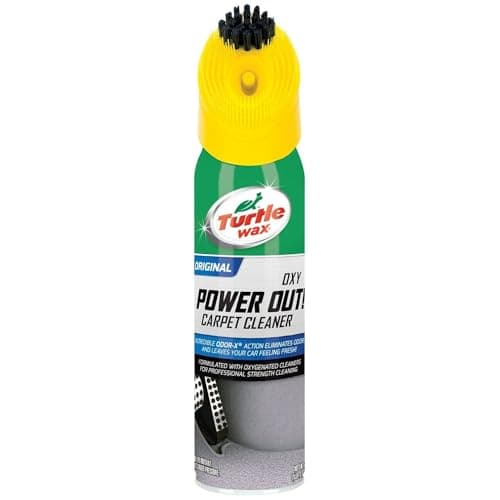
Rubber mat cleaners and protectants compared on non-slip claims, silicone and method.
Best air freshener
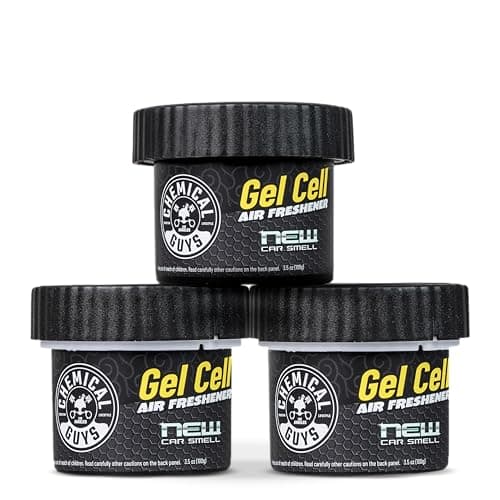
Five air fresheners compared on format, published duration and stated ingredients.
Best Alcantara cleaner
Three cleaners that name Alcantara, compared on method, format and surfaces.
Best car interior wipes
Five interior wipes compared on surfaces, count and protection.
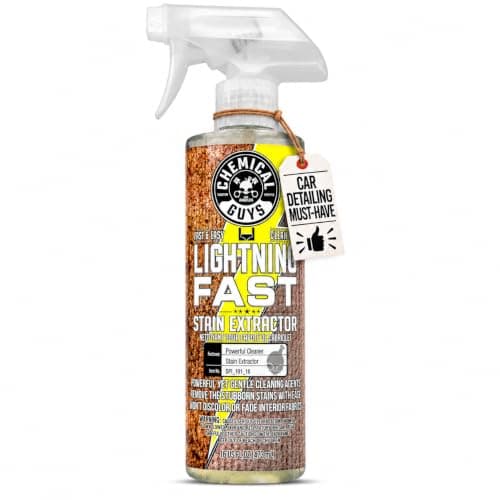
Best car stain remover
Four stain removers compared on the stains they name, size and price.
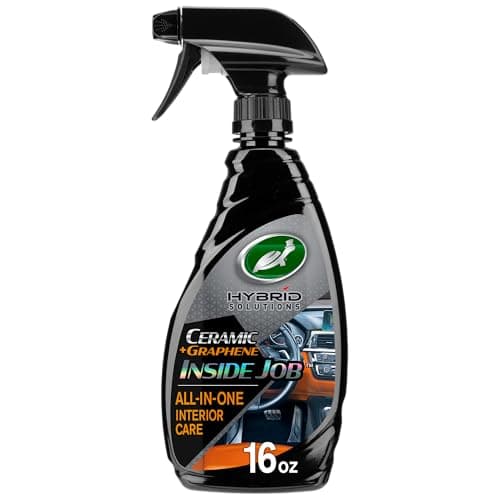
Best interior quick detailer
Four interior quick detailers compared on finish, surfaces and protection.
Top pick: Turtle Wax Hybrid Solutions Ceramic + Graphene Inside Job
$8.99 - view on Amazon#ad How we earn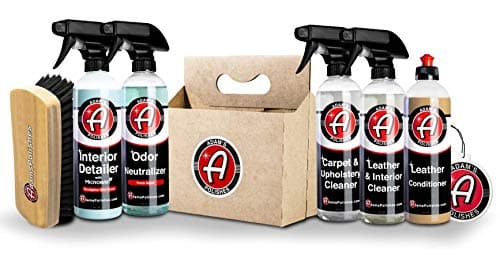
Best interior detailing kit
Six interior kits compared on chemicals, tools and price.
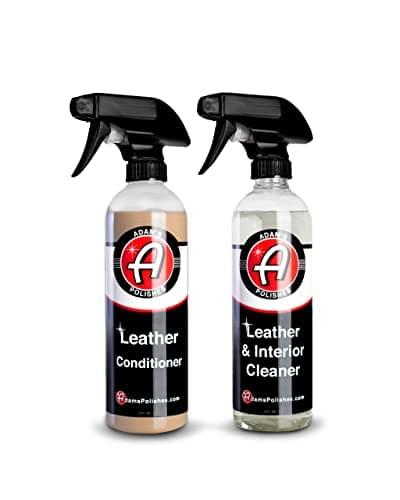
Best leather care kit
Six leather kits compared on cleaner, conditioner or coating, schedule and price.
Best leather brush
Four leather brushes compared on bristle, size and stated use.
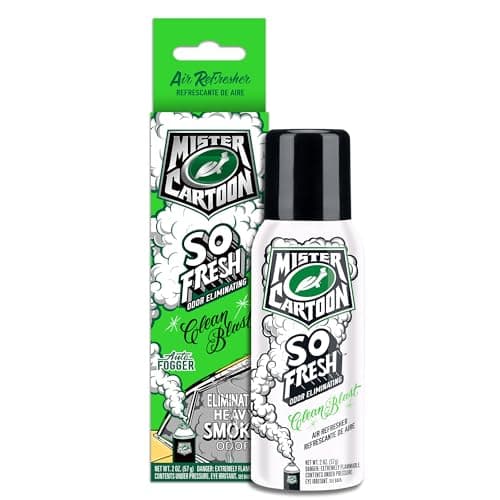
Best car odor bomb
Five odor bombs and foggers compared on active ingredient, treatment time and coverage.
Top pick: Turtle Wax Mister Cartoon So Fresh Odor Eliminating Fogger
$9.99 - view on Amazon#ad How we earn
Best interior microfiber towel
Five interior towels compared on pile, size and stated use.
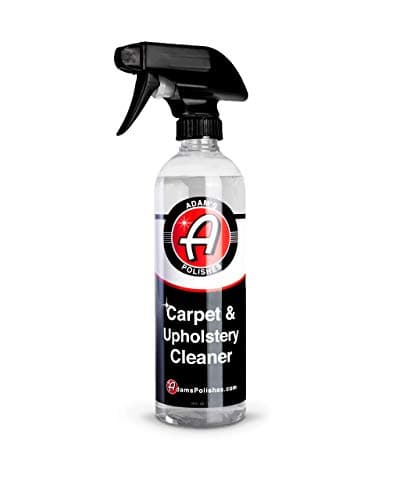
Best family car interior kit
Three products for cloth, carpet and rubber mats, ranked on what each maker publishes.
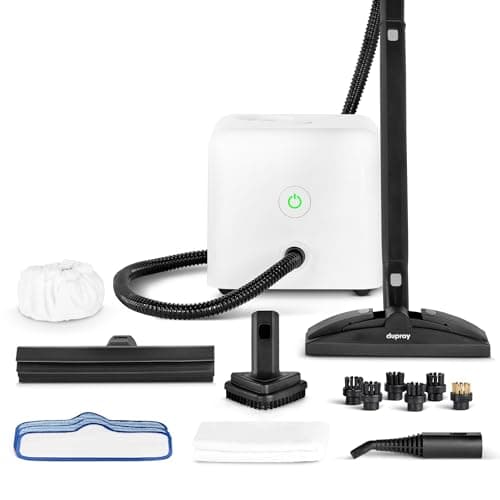
Best steam cleaner for detailing
Six steam cleaners compared on published pressure, temperature, run time and refill design.
The model-versus-model questions this category actually gets asked, answered with a stated winner and the condition under which it flips.
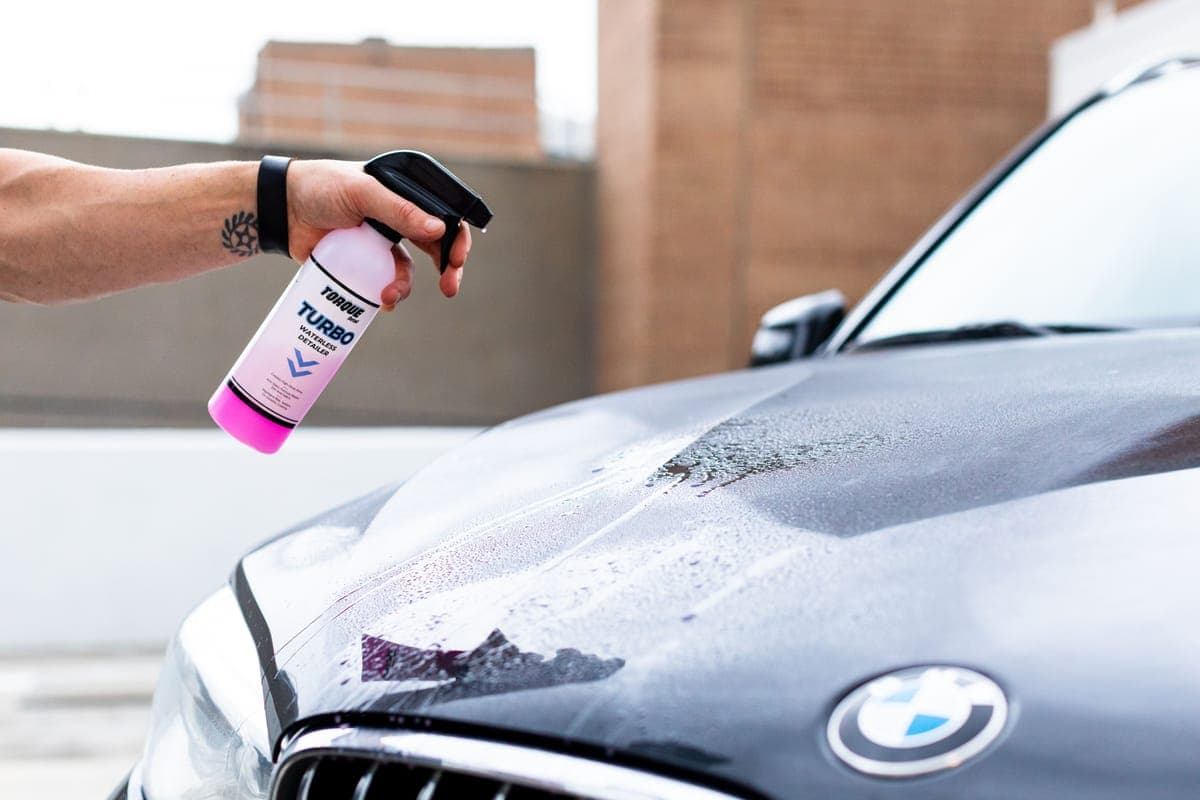
Head to head
Two UV claims, zero UV ratings, and a visible difference in finish that decides it.
Head to head
What each product does on coated leather, and the water-drop test that tells you which you need.
Head to head
The two best-known interior cleaners compared on what each maker actually publishes.
Head to head
Same surfaces, same unrated UV claim, and a finish difference that decides it.
Head to head
Two leather shields compared on durability, schedule, size and price per ounce.
Head to head
Two similarly named interior products compared on named ingredients and finish.
Head to head
Two heated carpet extractors compared on water lift, heater wattage and weight.
How the job is actually done, what goes wrong, and which products from the roundups above belong in each step.
Guide
Two materials, two methods, and the mistakes that come from treating one like the other.
Guide
Why ammonia damages film, which products state ammonia-free, and the safe cleaning method.
Guide
The five places car odor lives, and the order to work through them so the treatment sticks.
Guide
The top-down sequence, why you vacuum twice, and why glass is always last.
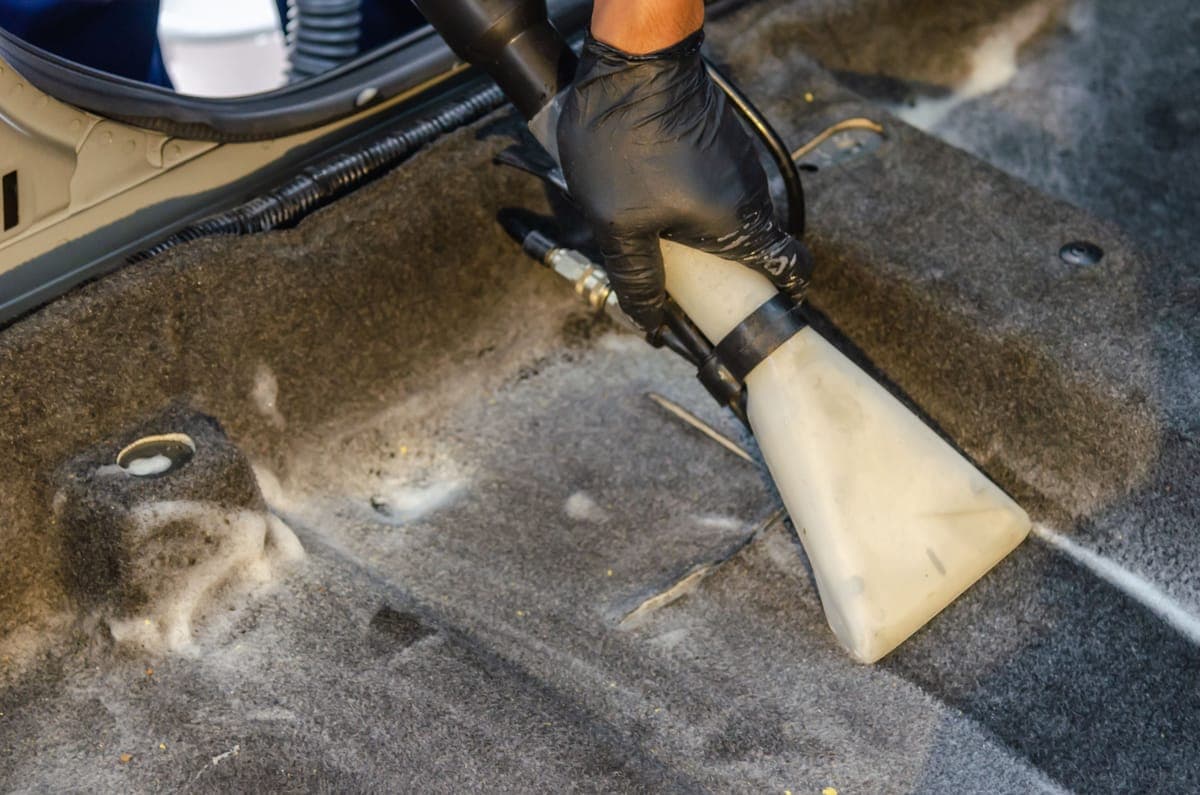
Guide
When an $800 extraction machine earns its place over a $12 spray, on published figures.
Guide
The low-moisture method for cleaning a headliner without loosening the adhesive behind it.
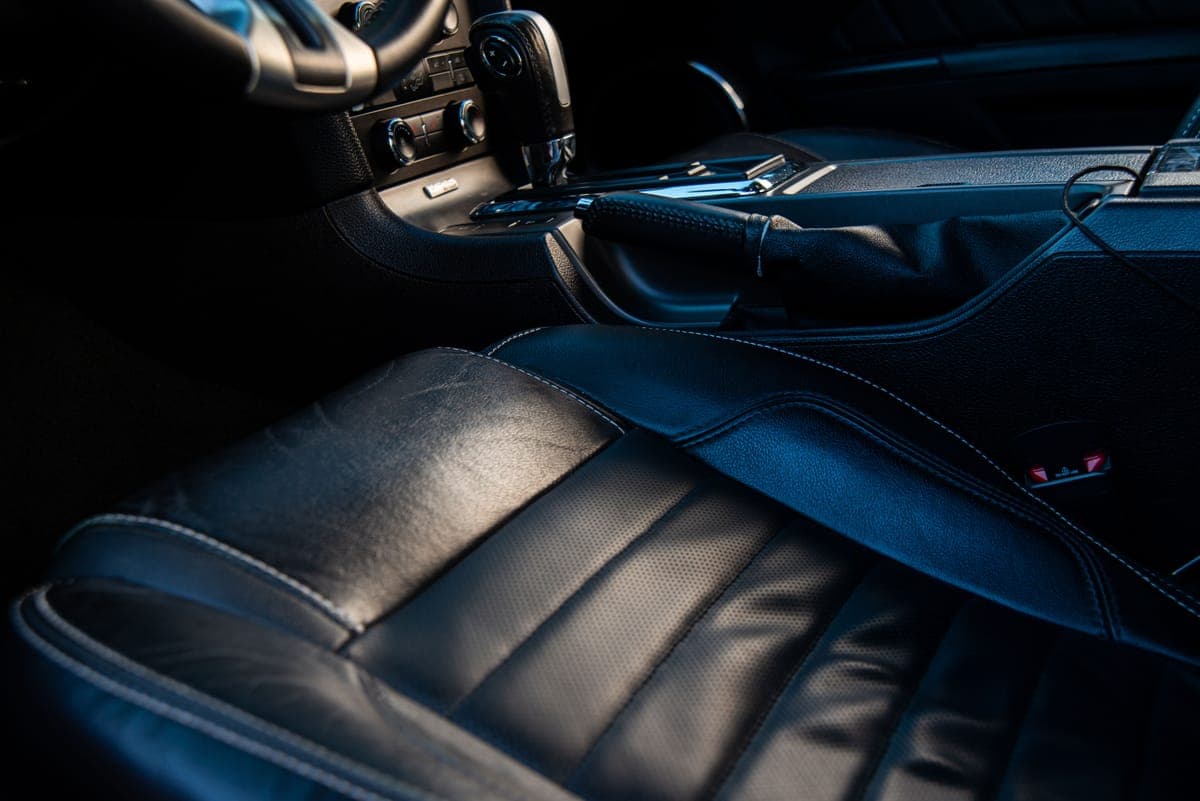
Guide
When a leather coating earns its price over a protectant, on published claims.
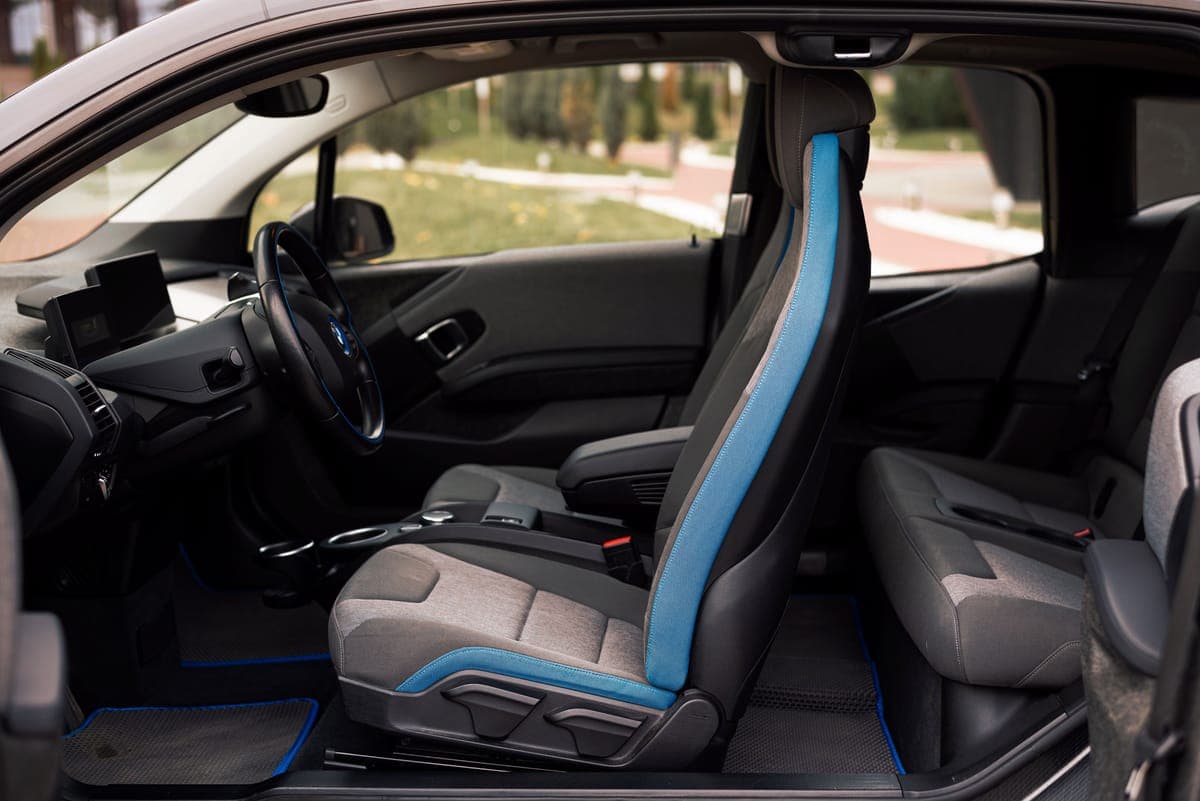
Guide
When a fabric protector earns its price, on published durability and cure times.
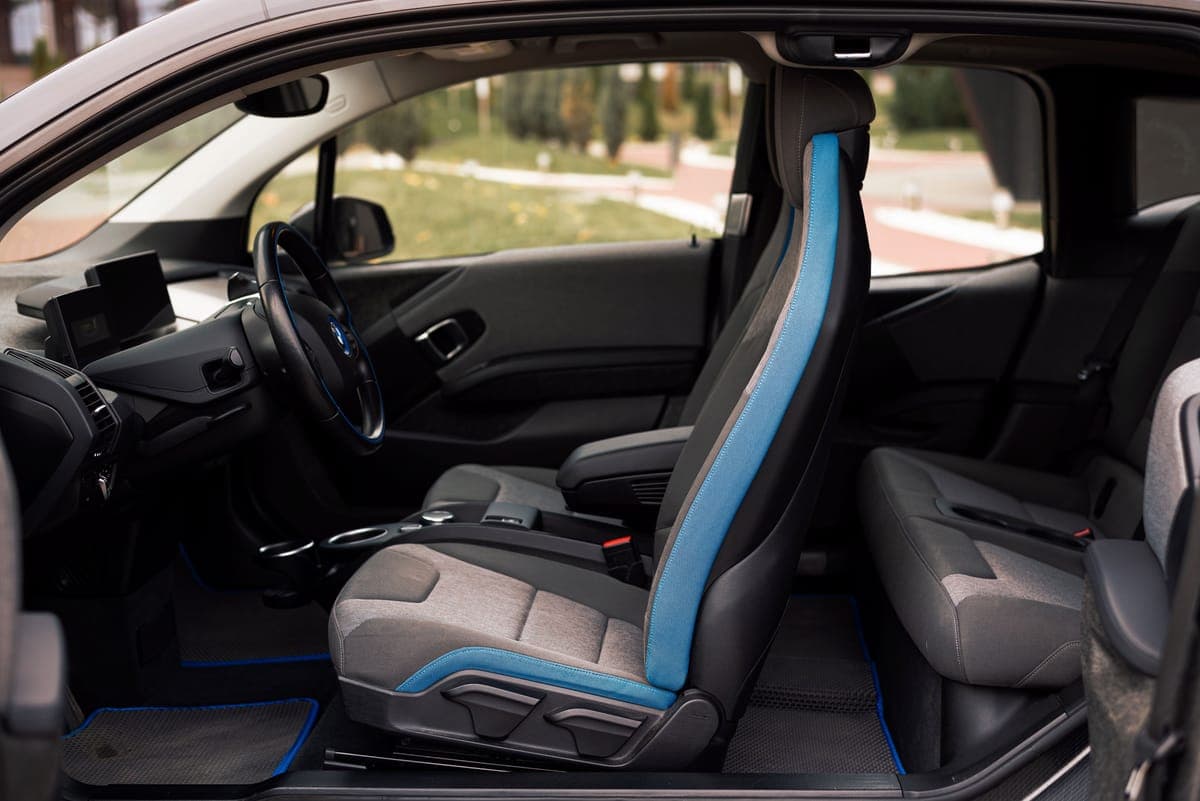
Guide
Cleaning cloth seats with foam, a brush and towels instead of a machine.
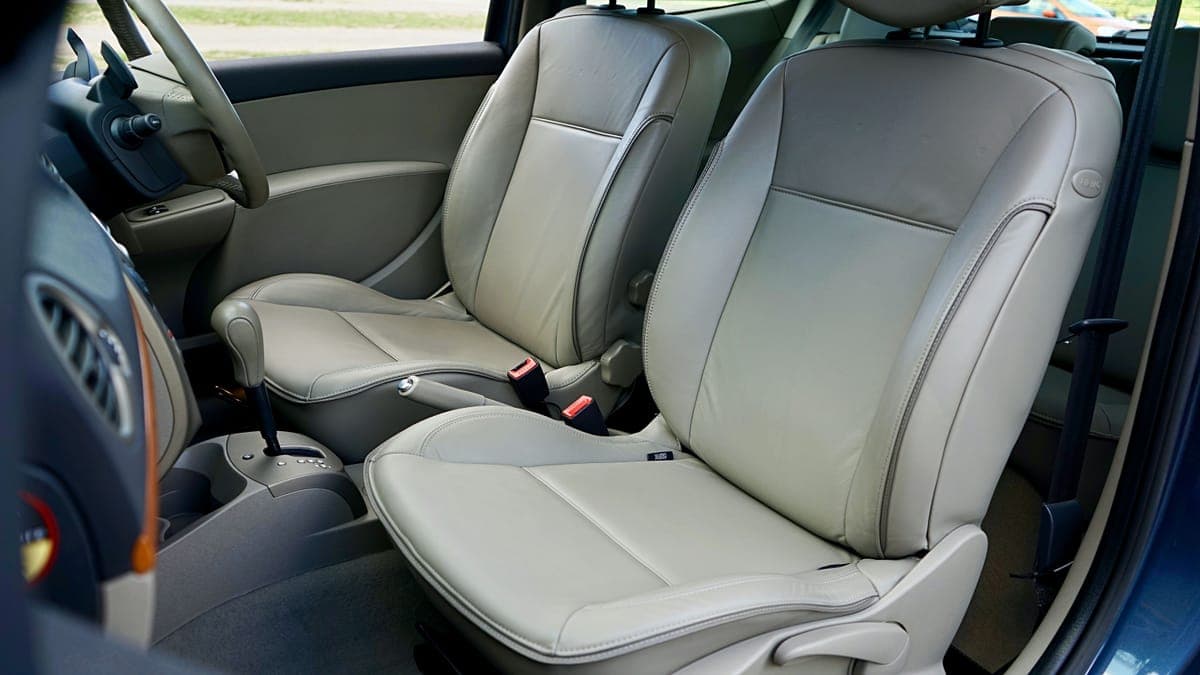
Guide
Lifting sunscreen transfer from coated leather, and preventing it.
Guide
Finding the water, cleaning the fabric, and treating the smell that is left behind.
Guide
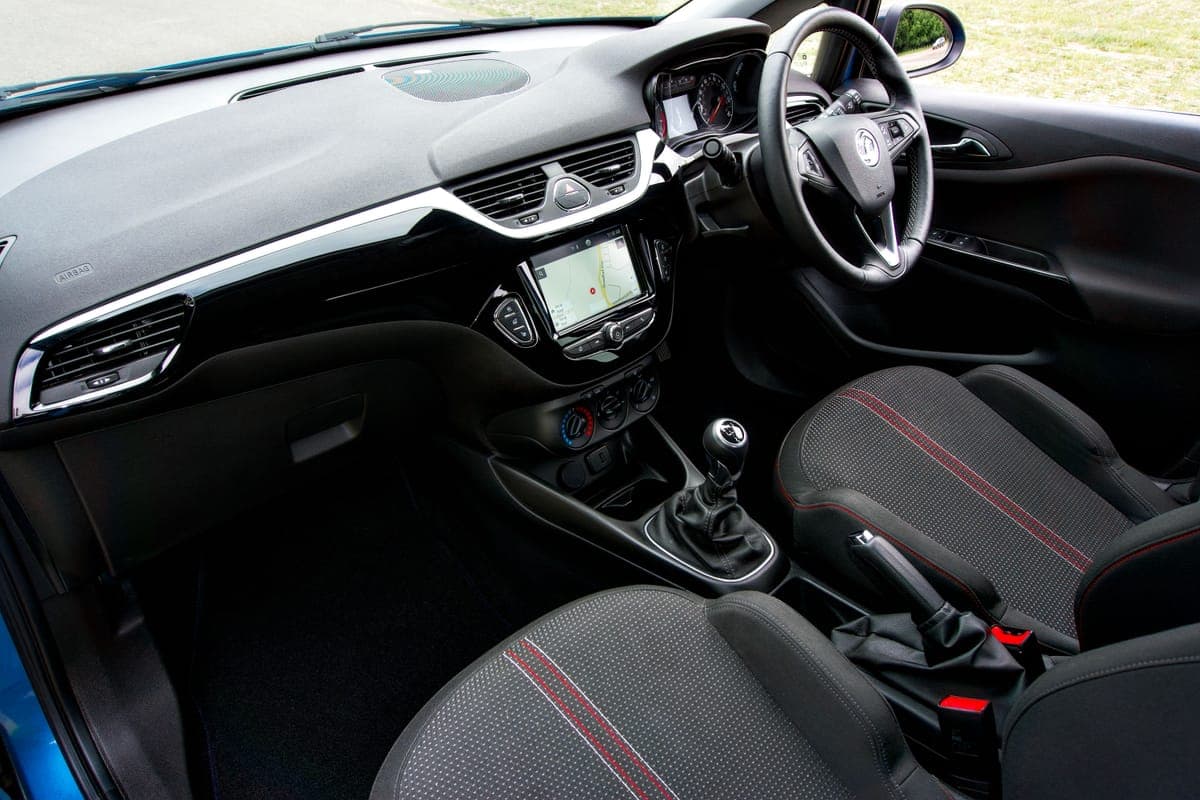
Dissolving and extracting winter salt from carpet and mats, with published product figures.

Guide
Cleaning and dressing door weatherstrip so it does not freeze shut, crack or tear.
Guide
Why interior glass fogs, the reach tool that gets to the base of a windshield, and what to clean it with.
Guide
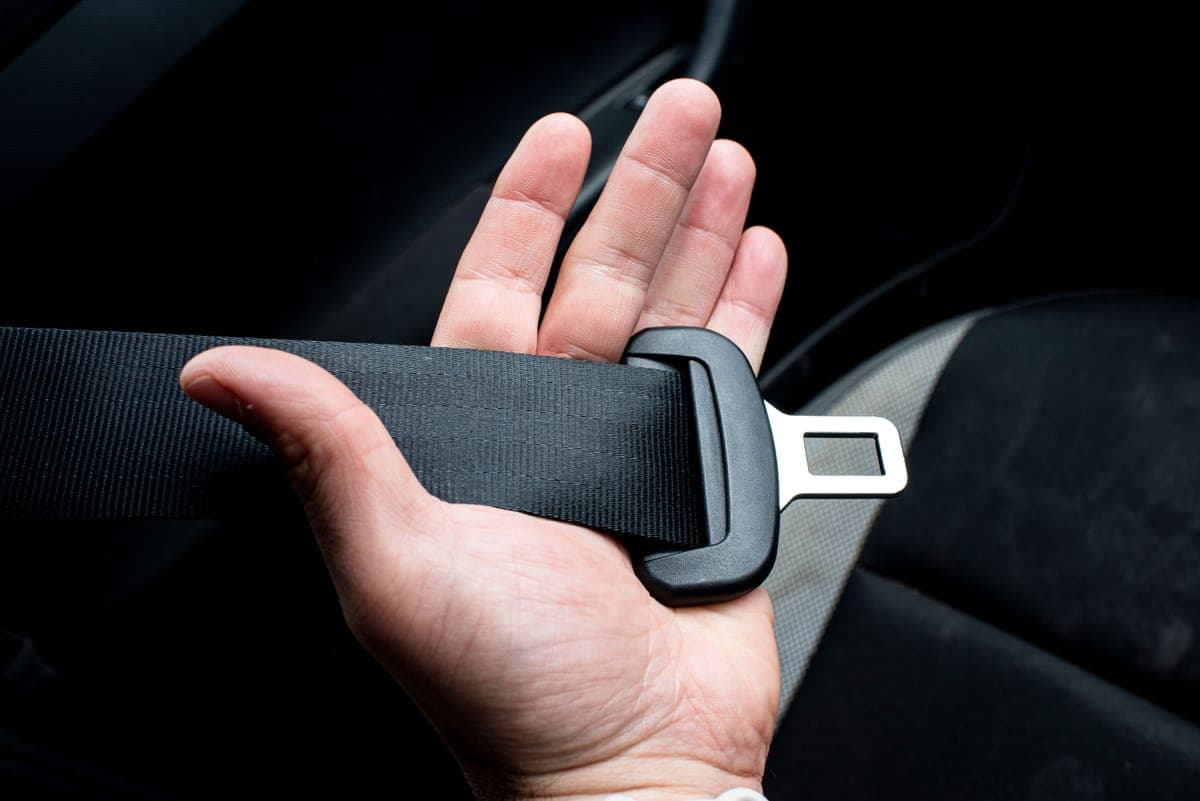
The low-moisture method, what to use, and why a wet belt must never go back into the pillar.
What every number on this site is, and is not