Ceramic Coatings and Protection
Can You Apply a Ceramic Coating in Cold Weather?
One coating on this site publishes a temperature window at all. The others publish a cure window — 12 hours, 24 hours — and that is the figure winter actually breaks.
By Sawyer V. · Last verified 2026-10-17
We have not tested any of this. Everything below is compiled from published manufacturer specifications, and the arithmetic is printed so you can check it. This page carries affiliate links: if you buy through one we earn a commission at no extra cost to you, and it does not change the order of the picks. Full disclosure.
Top pick
| # | Pick | Best for | Score | Price |
|---|---|---|---|---|
| 1 | CarPro CQUARTZ UK 3.0 CarPro | The only coating here that publishes its SiO2 percentage | 6.1/10 | $62.99 - view on Amazon |
| 2 | Gyeon Q² CanCoat EVO Gyeon | A first real coating that forgives a bad panel | 4.6/10 | $67.99 - view on Amazon |
| 3 | Adam's Graphene Ceramic Coating Adam's Polishes | The biggest claim on the page, and the fullest kit | 6.0/10 | $78.97 - view on Amazon |
| 4 | Collinite No. 845 Insulator Wax Collinite | The only wax here that publishes a coverage figure | 5.1/10 | $31.99 - view on Amazon |
Prices last verified October 17, 2026. They move constantly; the figure on Amazon when you click is the real one.
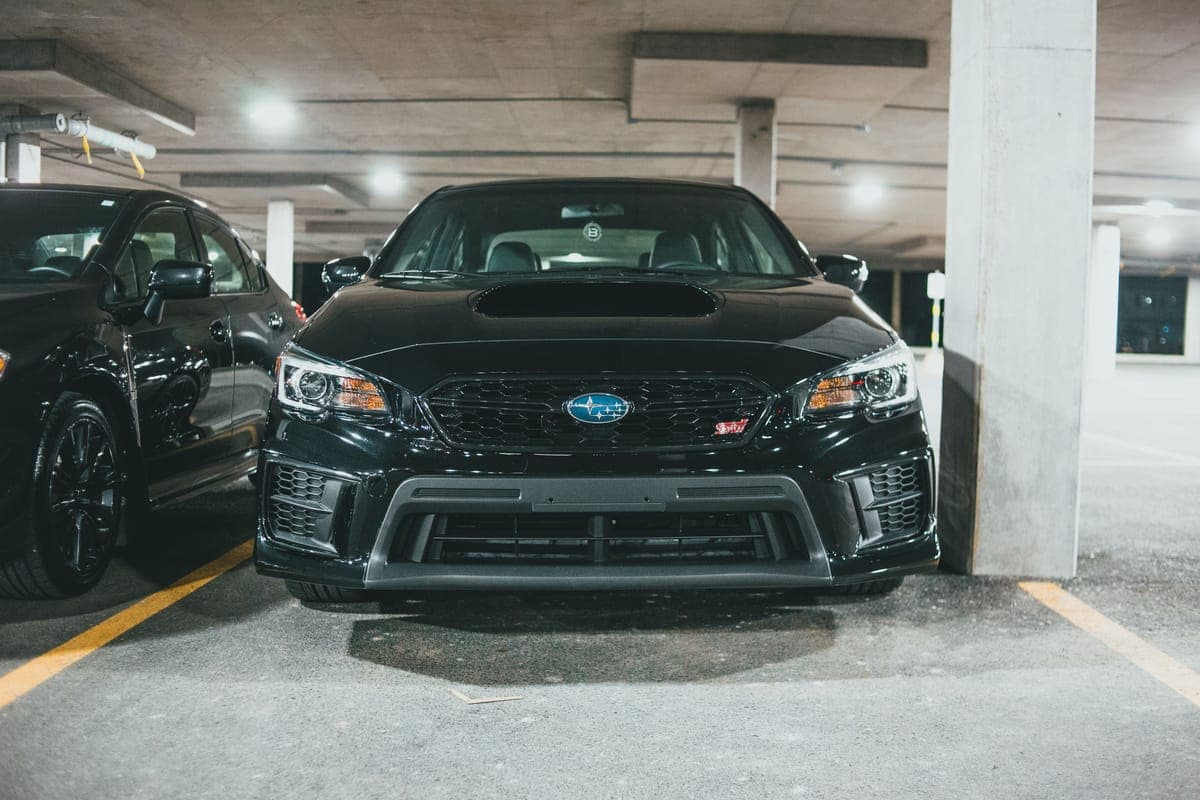
What the makers actually publish
This is a question the industry mostly answers by not answering it. Of the coatings on this site, exactly one publishes an application temperature range. Two publish how long the finish has to stay dry. The rest publish a procedure with no conditions attached at all, which is not the same as saying conditions do not matter.
| Product | Temperature window | Cure / dry window | What that means in winter |
|---|---|---|---|
| CarPro CQUARTZ UK 3.0 | 40F to 90F, published | Not published beyond the 2-5 minute buffing window | The only published floor anywhere here. Below 40F you are outside the maker's own instruction |
| Gyeon Q2 CanCoat EVO | Not published | 12 hours out of direct sun and away from water, published | Needs a dry overnight. A damp night voids the instruction, not the warranty |
| Adam's Graphene Ceramic Coating | Not published | 24 hours free from water and weather, published | Needs a dry day and a dry night back to back |
| Collinite No. 845 wax | Not published | Not published | The fallback, with 4-7 months and a coverage figure published instead |
So the honest answer to the question has two halves. Can you physically apply a coating at 45F? CarPro say yes for theirs, and for the others nobody has told you. Can you cure one in a week of cold rain? No, and that is the part that decides whether the job is worth starting.
The dry window is the real constraint
A coating is not dry when it stops feeling wet. The published figures are the makers’ own: Gyeon ask for 12 hours out of the sun and away from water for the EVO coatings; Adam’s ask for 24 hours free from water and weather for the Graphene Ceramic Coating. Those are the windows the product needs to finish doing what it does, and they are written for a dry garage or a dry forecast.
Winter does not supply that. Dew, frost and a wet driveway all put water on a panel overnight, and a car that has to go to work on Monday morning spends the cure window in slush. This is why coating season ends before the weather gets genuinely cold, and it is the sentence our winter protection guide leads with: the application window closes before the season starts.
Air temperature is not panel temperature
Two things make a cold garage harder than the thermometer suggests. The first is thermal mass: a car driven in at 30F has panels at 30F, and a heated garage warms the air long before it warms the steel. Hours, not minutes. If you are going to coat in a heated space, the car needs to be in there overnight before you start, not for the twenty minutes it takes to set up.
The second is condensation, and it works against you in exactly the wrong direction. Bringing a cold car into a warm, humid garage puts moisture onto the coldest surface in the room, which is your paint. You cannot see a film that thin and a coating will not bond through it. The fix is the same one: let the body come up to room temperature first, then panel-wipe, then coat.
- 1Bring the car in the night before and leave it. The panels, not the air, are what has to be warm.
- 2Wash and dry it inside, so you are not fighting water that froze in a shut line.
- 3Check the panel is dry to the touch and to a panel wipe, not just dry to look at.
- 4Work in a space you can keep warm for the whole published cure window, which is 12 or 24 hours depending on the product.
- 5If you cannot heat it for that long, stop and use a wax.
What to do instead, and why it is not a consolation prize
Collinite No. 845 at $31.99 is the answer for a cold month, and it is the wax that publishes the most: 4 to 7 months of protection and an average spread of 1,200 to 2,000 square feet, which works out at pennies per car. Four to seven months applied in November covers the salt season, which is the whole job you were trying to do. Collinite’s own note is that it spreads best by machine and is fussy in direct sun; neither is a winter problem.
No wax maker publishes a temperature floor either, which is worth saying plainly rather than pretending the fallback has better paperwork. What a wax does have is no cure window to protect: it is buffed off and finished, so a wet night afterwards costs you nothing. That is the actual reason it wins in February. The winter wax roundup ranks the field on published durability, and coating versus wax versus sealant is the comparison if you are deciding rather than postponing.
If you are going to wait, do the prep now
The work that makes a spring coating good is all prep, and most of it is weather-tolerant. Decontamination, iron removal and claying can all be done on a mild day; chemical decontamination is the order to do them in. Polishing is the one step to leave until it is warm, because compound and polish behave differently cold and you want the panel at a sane temperature while you work.
Then, when the window opens, the sequence is the one in our coating application guide — which is also where the published consumption figures live, and CQUARTZ SiC versus UK 3.0 explains why the UK version is the rung with the temperature window on it.
Short answers
- Below 40F: do not coat. That is CarPro's published floor and the only one on offer.
- 40F to 50F, in a garage you can keep dry for 24 hours: a coating is reasonable, and CQUARTZ UK 3.0 is the one whose maker says so in writing.
- A cold driveway and a car that has to be driven tomorrow: wax it. Collinite No. 845, $31.99, 4 to 7 months published.
- A heated garage: bring the car in the night before, so the panels and not just the air are warm.
- Whatever the temperature: you need the full published cure window dry. 12 hours for the Gyeon EVO coatings, 24 for Adam's Graphene.
Every pick, with the working
Each entry lists the specifications the maker publishes, the axis scores those specifications produce, and what you give up. Rows that read “Not published” are not omissions on our side: they are figures the maker will not commit to in writing, and they cost the product points on the transparency axis.
Our pickThe only coating here that publishes its SiO2 percentage
CarPro CQUARTZ UK 3.0
CarPro
CarPro publishes 70% SiO2 at 99.9% purity, a 2 to 5 year durability range, a 10ml-per-coat consumption figure and a 40F to 90F application window. That is four hard numbers on one page, and it is four more than most of this category manages. Buy it because it is checkable, not because 70% is magic.
- Sizes
- 10ml / 30ml / 50ml / 100ml
- SiO2 content
- 70% SiO2, 99.9% purity
- Claimed durability
- 2 to 5 years
- Published consumption
- 10ml per coat
- Application temperature
- 40F to 90F
- In the box
- 30ml bottle, 4 suede applicators, block, leveling towel
- Cure time
- Not published
- Warranty
- Not published
What it does well
- 70% SiO2 at 99.9% purity, published by CarPro on the product page
- Application window published as 40F to 90F, which is the figure that decides whether your garage works in November
- 10ml per coat published, so a 30ml bottle is roughly three coats and the arithmetic is yours to do
- Kit includes suede applicators, a block and a leveling towel rather than just the bottle
Who it is not for
- The durability claim is a three-year-wide range, which is a wide range to plan around
- No cure-time figure published beyond the 2-5 minute buffing window
- Leveling is unforgiving compared with a spray coating; this is not the coating to learn on
How this score was calculated
- Protection claim4.0/10, weight 20%
- CarPro claims 24 months, scored against the 60-month ceiling this category tops out at. That is the manufacturer's claim reported here, not a durability figure anyone measured for us.
- Published SiO2 content8.3/10, weight 22%
- 70%, scored on a band running from 20 to 80. Published by CarPro.
- Cost per ounce4.4/10, weight 16%
- $59.99 for 1.01 oz works out at $59.40 an ounce, scored against a band of $20.00 (good) to $90.00 (expensive) for a ceramic coating.
- Price against the ceiling6.0/10, weight 14%
- A listed $59.99 against the $150 one upgrade in this category realistically tops out at. A list price captured on the compile date, not a live price and not what you will pay.
- Written commitmentdropped
- CarPro publishes no warranty term on this product's own page, so the axis is dropped. On a tool that is worth noticing, and it costs the product points on transparency instead.
- Spec transparency7.5/10, weight 18%
- 6 of the 8 specifications we went looking for are published by CarPro. Every blank row below is something the maker will not put in writing, and it costs the product points here.
List price $59.99 per CarPro's US store, 30ml kit, captured on the compile date below. Not a live price and not what you will pay — the button is where the real number is.
Specifications from CarPro's CQUARTZ UK 3.0 listing, compiled September 8, 2026.
2A first real coating that forgives a bad panel
Gyeon Q² CanCoat EVO
Gyeon
A 200ml spray-applied coating claiming 12 months, with a published consumption of 10 to 15ml per car and a stated pH tolerance of 2 to 11. It is the coating to buy when the honest answer is that you are not ready to level a proper one, and the consumption figure means a bottle is roughly a dozen applications.
- Size
- 200ml
- Claimed durability
- Up to 12 months / 12,000km
- Published consumption
- 10-15ml per car
- Water-free period
- 12 hours
- pH tolerance
- 2-11
- In the box
- Coating, 3 spray heads, microfiber
- SiO2 content
- Not published
- List price
- Not published
What it does well
- 12 months claimed for a product you spray and wipe rather than level
- 10-15ml per car published, which makes a 200ml bottle around 13 to 20 applications
- pH tolerance published as 2-11, so you can check your wheel cleaner against it
- Three spray heads and a microfiber included
Who it is not for
- 12 months is a third of what Mohs EVO claims for a similar amount of prep work
- No SiO2 percentage published
- No US list price published by Gyeon, so cost per application cannot be derived from their figures
How this score was calculated
- Protection claim2.0/10, weight 20%
- Gyeon claims 12 months, scored against the 60-month ceiling this category tops out at. That is the manufacturer's claim reported here, not a durability figure anyone measured for us.
- Capabilitydropped
- Gyeon does not publish a figure for published sio2 content on this product, so the axis is dropped and the remaining weights are re-normalized.
- Cost per ouncedropped
- Either the list price or the container size is unpublished, so the division cannot be done and the axis is dropped.
- Price against the ceilingdropped
- The maker publishes no list price, so there is nothing to score here and the axis is dropped.
- Written commitmentdropped
- Gyeon publishes no warranty term on this product's own page, so the axis is dropped. On a tool that is worth noticing, and it costs the product points on transparency instead.
- Spec transparency7.5/10, weight 18%
- 6 of the 8 specifications we went looking for are published by Gyeon. Every blank row below is something the maker will not put in writing, and it costs the product points here.
Specifications from Gyeon's Q² CanCoat EVO product page, compiled September 8, 2026.
3The biggest claim on the page, and the fullest kit
Adam's Graphene Ceramic Coating
Adam's Polishes
Skip this one. A 7+ year claim on a DIY coating is the kind of number that is impossible to falsify inside the warranty period and impossible to verify outside it. If the claim is what is selling you, buy the coating that publishes a coverage figure instead.
Adam's publishes 7+ years of protection and >10H hardness on a 60ml bottle at $119.99, in a kit that includes surface prep, a booster, applicators, towels and gloves. The claim is the largest in this ledger by a factor of two, and Adam's publishes no coverage figure to go with it, so you cannot work out how many cars the bottle does.
- Size
- 60ml
- Claimed durability
- 7+ years
- Claimed hardness
- Greater than 10H
- Cure time
- 24 hours free from water and weather
- In the box
- 60ml coating, 4oz Graphene Boost, 4oz Surface Prep, 4 towels, 2 applicators, gloves
- Published coverage
- Not published
- SiO2 content
- Not published
- Warranty
- Not published
What it does well
- 7+ years claimed, the longest figure any maker in this ledger publishes
- Kit is genuinely complete: 4oz Surface Prep, 4oz Graphene Boost, applicators, suede and soft towels, gloves
- 24-hour cure window published plainly on the page
- A UV tracing feature is offered so you can see where you have already coated
Who it is not for
- No coverage or consumption figure published, so cost per car is not calculable from Adam's own numbers
- No SiO2 or graphene percentage published; >10H hardness is a claim, not a number you can check
- $119.99 is the highest list price here and the bottle is 60ml
How this score was calculated
- Protection claim10.0/10, weight 20%
- Adam's Polishes claims 84 months, scored against the 60-month ceiling this category tops out at. That is the manufacturer's claim reported here, not a durability figure anyone measured for us.
- Capabilitydropped
- Adam's Polishes does not publish a figure for published sio2 content on this product, so the axis is dropped and the remaining weights are re-normalized.
- Cost per ounce4.4/10, weight 16%
- $119.99 for 2.03 oz works out at $59.11 an ounce, scored against a band of $20.00 (good) to $90.00 (expensive) for a ceramic coating.
- Price against the ceiling2.0/10, weight 14%
- A listed $119.99 against the $150 one upgrade in this category realistically tops out at. A list price captured on the compile date, not a live price and not what you will pay.
- Written commitmentdropped
- Adam's Polishes publishes no warranty term on this product's own page, so the axis is dropped. On a tool that is worth noticing, and it costs the product points on transparency instead.
- Spec transparency6.3/10, weight 18%
- 5 of the 8 specifications we went looking for are published by Adam's Polishes. Every blank row below is something the maker will not put in writing, and it costs the product points here.
List price $119.99 per Adam's Polishes' own store, captured on the compile date below. Not a live price and not what you will pay — the button is where the real number is.
Specifications from Adam's Graphene Ceramic Coating product page, compiled September 8, 2026.
4The only wax here that publishes a coverage figure
Collinite No. 845 Insulator Wax
Collinite
16 fl oz at $22.99, with a published 4 to 7 months of protection and an average spread of 1,200 to 2,000 square feet. That coverage figure is the reason this is the top wax here: it is the only one that lets you calculate cost per car before you buy, and the answer is pennies.
- Size
- 16 fl oz
- Claimed durability
- 4-7 months of weather protection
- Published coverage
- 1,200-2,000 sq ft average spread
- Application
- Hand and DA; best spread by DA
- Carnauba content
- Not published
- Polymer content
- Not published
- Cure time
- Not published
- Warranty
- Not published
What it does well
- 4-7 months published, which is the longest figure any wax in this ledger commits to
- Average spread published as 1,200-2,000 sq ft, so a bottle is dozens of cars
- Stated for hand and DA use, with Collinite noting the spread is best by machine
- $22.99 for 16 fl oz is $1.44 an ounce for a wax with a stated durability
Who it is not for
- Carnauba and polymer percentages are not published
- It is a wax, so nothing here competes with a coating on longevity
- The old-fashioned formula is fussy in direct sun
How this score was calculated
- Protection claim3.3/10, weight 20%
- Collinite claims 4 months, scored against the 12-month ceiling this category tops out at. That is the manufacturer's claim reported here, not a durability figure anyone measured for us.
- Capabilitydropped
- No single published number decides capability in this category, so the axis is dropped rather than invented.
- Cost per ounce8.3/10, weight 16%
- $22.99 for 16 oz works out at $1.44 an ounce, scored against a band of $1.00 (good) to $3.50 (expensive) for a wax.
- Price against the ceiling4.3/10, weight 14%
- A listed $22.99 against the $40 one upgrade in this category realistically tops out at. A list price captured on the compile date, not a live price and not what you will pay.
- Written commitmentdropped
- Collinite publishes no warranty term on this product's own page, so the axis is dropped. On a tool that is worth noticing, and it costs the product points on transparency instead.
- Spec transparency5.0/10, weight 18%
- 4 of the 8 specifications we went looking for are published by Collinite. Every blank row below is something the maker will not put in writing, and it costs the product points here.
List price $22.99 per Collinite's own store, captured on the compile date below. Not a live price and not what you will pay — the button is where the real number is.
Specifications from Collinite's No. 845 product page, compiled September 8, 2026.
Prices last verified October 17, 2026. They move constantly; the figure on Amazon when you click is the real one.
Questions people actually ask
+What temperature is too cold to apply a ceramic coating?
+Will a ceramic coating cure in cold weather?
+Can you apply a ceramic coating in a cold garage?
+Should I wax or coat my car in winter?
+Can you apply a ceramic spray coating in cold weather?
+Does cold weather damage an existing ceramic coating?
Where these figures came from
- CarPro's CQUARTZ UK 3.0 listing, with the published 40F to 90F window — retrieved 2026-10-17
- Gyeon's Q² CanCoat EVO product page, with the published 12-hour water-free period — retrieved 2026-10-17
- Adam's Graphene Ceramic Coating page, with the published 24-hour cure — retrieved 2026-10-17
- Collinite's No. 845 Insulator Wax page, with published durability and coverage — retrieved 2026-10-17
Every figure on this page is a published manufacturer or authorized-retailer claim, not a measurement we made. How we research explains exactly what we did and did not do.