Tools and Equipment
Detailing Tool Maintenance
Fabric softener ends a microfiber towel in one wash, and a loaded pad stops cutting long before it looks dirty. Both are avoidable and both are common.
By Sawyer V. · Last verified 2026-09-08
We have not tested any of this. Everything below is compiled from published manufacturer specifications, and the arithmetic is printed so you can check it. This page carries affiliate links: if you buy through one we earn a commission at no extra cost to you, and it does not change the order of the picks. Full disclosure.
Top pick
| # | Pick | Best for | Score | Price |
|---|---|---|---|---|
| 1 | Eagle Edgeless 500 The Rag Company | The one towel to buy if you buy one | 4.9/10 | $25.95 - view on Amazon |
| 2 | Lake Country HDO Foam Pads Lake Country | Thin foam, cooler running, color-coded cut | 7.1/10 | $48.81 - view on Amazon |
| 3 | Detail Factory Ultra-Soft Synthetic Detailing Brush Set Detail Factory | Piano black trim and screens | 4.9/10 | $21.95 - view on Amazon |
| 4 | Grit Guard Bucket Insert Grit Guard | The cheapest swirl prevention that exists | 7.0/10 | $17.99 - view on Amazon |
Prices last verified October 23, 2026. They move constantly; the figure on Amazon when you click is the real one.
Microfiber, and the one mistake that ends it
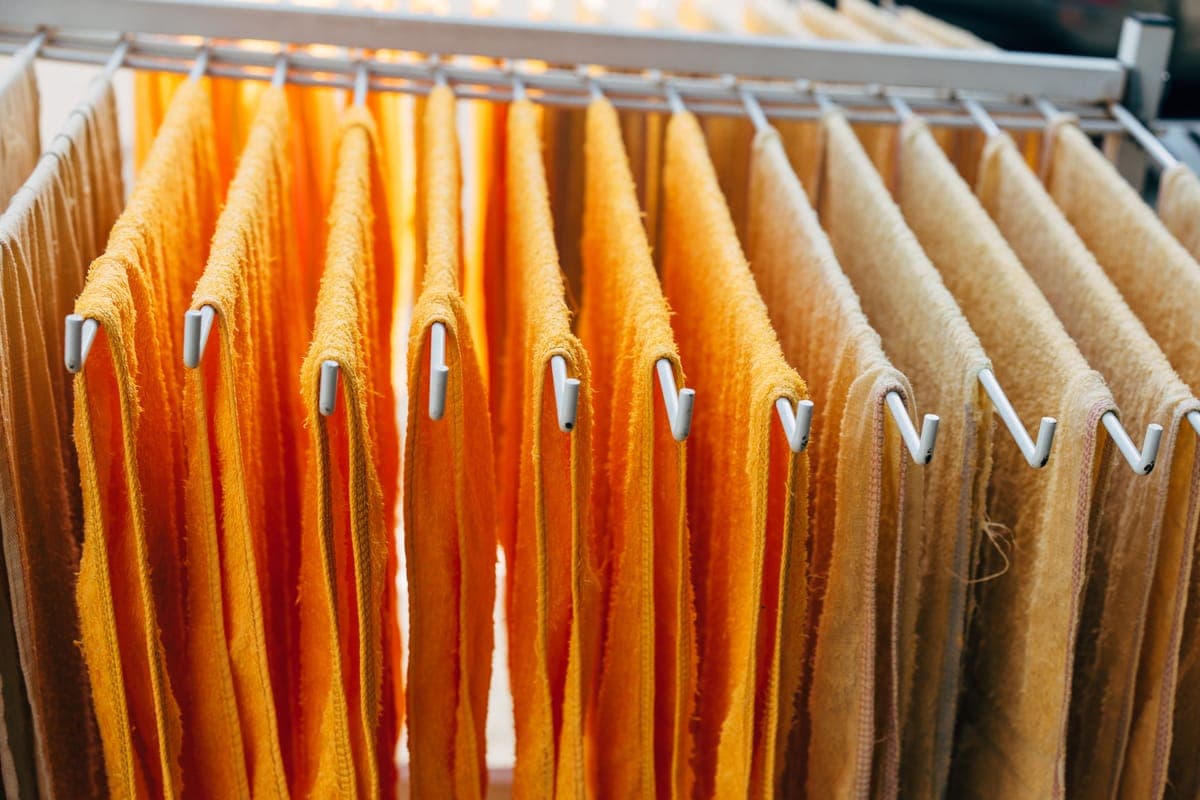
Microfiber works because its split fibers create an enormous surface area that grabs and holds dirt and water. Fabric softener works by coating fibers with a lubricating film to make them feel soft. Those two things are directly opposed, and the softener wins permanently.
A towel washed once with softener will never absorb properly again. Dryer sheets do the same thing. Neither is reversible, and it is the single most expensive laundry mistake available in this hobby.
- Wash microfiber on its own, never with cotton. Cotton lint embeds in the pile and stays.
- Use a detergent without softeners, fragrance or brighteners. Dedicated microfiber detergents exist; a plain liquid detergent works.
- Warm water, not hot. Heat is what melts the fibers and hardens the towel.
- Low heat or air dry. A hardened towel is a heat-damaged towel.
- Sort by job before washing: paint, glass, interior and wheels never share a load.
Pads stop cutting long before they look dirty
A polishing pad saturated with spent compound stops abrading and starts smearing, and people read that as the compound failing. It is the most common mid-job confusion in correction work, and the fix takes fifteen seconds.
| When | What to do |
|---|---|
| Every couple of sections | Compressed air across the face, or a stiff brush against it while the machine spins slowly |
| When cleaning stops helping | Swap to a fresh pad. This is why the pad roundup recommends owning two of your primary pad |
| After the job | Warm water and pad cleaner, squeeze rather than wring, air dry face-up |
| When the foam tears or the backing separates | Replace it. No maker publishes a rated pad life |
Wringing a foam pad tears the cell structure, which is why the instruction is to squeeze. And drying face-up matters because a wet pad drying face-down on a bench picks up whatever is on the bench.
Brushes, mitts and the bucket
Brushes: rinse in warm soapy water, reshape the bristles with your fingers, and dry head-down so water runs out of the ferrule rather than sitting in it. Water trapped in a ferrule is what loosens bristles over time, including in brushes with metal ferrules.
Wash mitts: rinse thoroughly after every wash and launder them like microfiber. A mitt that has matted is a mitt holding grit, and it is worth replacing rather than persevering with — it is the item in direct contact with your paint.
Buckets: empty them. Water left standing in a wash bucket grows things, and the sediment under the grit guard is exactly what you spent nine dollars keeping away from your paint. Rinse the guard too.
Storage, and the two things that ruin chemicals
Freezing and direct sun. Most water-based detailing chemicals separate or lose effectiveness if frozen, which matters if your storage is an unheated garage in a cold climate. UV degrades products in clear bottles left on a sunny shelf.
Store chemicals somewhere that stays above freezing and out of sunlight, keep lids tight so nothing evaporates or skins over, and label anything you decant. A shelf of unlabeled spray bottles is a genuinely common way to put wheel cleaner on a dashboard.
Every pick, with the working
Each entry lists the specifications the maker publishes, the axis scores those specifications produce, and what you give up. Rows that read “Not published” are not omissions on our side: they are figures the maker will not commit to in writing, and they cost the product points on the transparency axis.
Our pickThe one towel to buy if you buy one
Eagle Edgeless 500
The Rag Company
$19.20 for a four-pack of 16 by 16 inch towels at a published 500gsm, in seven colors and two sizes. 500gsm is the middle of this group and it is genuinely the general-purpose weight: plush enough to dry, controlled enough to buff.
- GSM
- 500
- Dimensions
- 16 in x 16 in / 16 in x 24 in
- Pack
- 4 (16x16) or 3 (16x24)
- Colors
- Seven
- Edge
- Edgeless, tag-free
- Blend
- Not published
- Wash cycles rated
- Not published
What it does well
- 500gsm published, the general-purpose weight
- Seven colors, which is how you keep glass, paint and interior towels separate
- 16x16 and 16x24 options
Who it is not for
- $4.80 a towel is mid-market, not cheap
- No blend split published
- No published wash-cycle rating
How this score was calculated
- Protection claimdropped
- Nothing in this category is bought on how long it lasts, so the axis is dropped and the other weights are re-normalized.
- Published GSM3.8/10, weight 22%
- 500 gsm, scored on a band running from 250 to 900. Published by The Rag Company.
- Cost per ouncedropped
- This is not a consumable, so cost per ounce says nothing useful and the axis is dropped.
- Price against the ceiling3.6/10, weight 14%
- A listed $19.20 against the $30 one upgrade in this category realistically tops out at. A list price captured on the compile date, not a live price and not what you will pay.
- Written commitmentdropped
- The Rag Company publishes no warranty term on this product's own page, so the axis is dropped. On a tool that is worth noticing, and it costs the product points on transparency instead.
- Spec transparency7.1/10, weight 18%
- 5 of the 7 specifications we went looking for are published by The Rag Company. Every blank row below is something the maker will not put in writing, and it costs the product points here.
List price $19.20 per The Rag Company, 4-pack, captured on the compile date below. Not a live price and not what you will pay — the button is where the real number is.
Specifications from The Rag Company's Eagle Edgeless 500 listing, compiled September 8, 2026.
2Thin foam, cooler running, color-coded cut
Lake Country HDO Foam Pads
Lake Country
Three sizes, 1 inch thick, in blue cutting, orange polishing and black finishing, with a 70-degree beveled edge and a stated 10% cooler running temperature. The thin foam is the design: less foam movement is less heat, and heat is what causes hazing.
- Sizes
- 3.5 in / 5.5 in / 6.5 in
- Thickness
- 1 inch
- Cut levels
- Blue cutting, orange polishing, black finishing
- Edge
- 70 degree beveled
- Heat claim
- 10% cooler than traditional foam
- Density figure
- Not published
- List price
- Not published
What it does well
- Cut level published by color rather than left to the product name
- 70-degree beveled edge published, which is what stops the pad rolling on an edge
- Stated to run 10% cooler than traditional foam
- Three sizes, 3.5, 5.5 and 6.5 inch
Who it is not for
- No pore structure or density figure published
- The temperature claim has no stated test method behind it
- Thin foam conforms less on a heavily curved panel
How this score was calculated
- Protection claimdropped
- Nothing in this category is bought on how long it lasts, so the axis is dropped and the other weights are re-normalized.
- Capabilitydropped
- No single published number decides capability in this category, so the axis is dropped rather than invented.
- Cost per ouncedropped
- This is not a consumable, so cost per ounce says nothing useful and the axis is dropped.
- Price against the ceilingdropped
- The maker publishes no list price, so there is nothing to score here and the axis is dropped.
- Written commitmentdropped
- Lake Country publishes no warranty term on this product's own page, so the axis is dropped. On a tool that is worth noticing, and it costs the product points on transparency instead.
- Spec transparency7.1/10, weight 18%
- 5 of the 7 specifications we went looking for are published by Lake Country. Every blank row below is something the maker will not put in writing, and it costs the product points here.
Specifications from Lake Country's HDO pad category page, compiled September 8, 2026.
3Piano black trim and screens
Detail Factory Ultra-Soft Synthetic Detailing Brush Set
Detail Factory
$17.95 for a set with ultra-soft synthetic bristles, named specifically for piano-black panels and instrument clusters. Piano black is the most scratch-prone surface in a modern car and the only correct brush for it is one you cannot feel.
- Bristles
- Ultra-soft synthetic
- Stated surfaces
- Piano black panels, instrument and infotainment panels, badges
- Colors
- Ten
- Brush count
- Not published
- Bristle length
- Not published
- Handle material
- Not published
What it does well
- Named for piano black interior panels, which is the exact surface that ruins itself
- Synthetic bristles, so no boar hair to mar a soft surface
- Ten colors, which sounds trivial until you want to keep interior and wheel brushes apart
Who it is not for
- No bristle length or handle length published
- No brush count in the set published on the listing
- Too soft for anything with real dirt on it
How this score was calculated
- Protection claimdropped
- Nothing in this category is bought on how long it lasts, so the axis is dropped and the other weights are re-normalized.
- Capabilitydropped
- No single published number decides capability in this category, so the axis is dropped rather than invented.
- Cost per ouncedropped
- This is not a consumable, so cost per ounce says nothing useful and the axis is dropped.
- Price against the ceiling4.9/10, weight 14%
- A listed $17.95 against the $35 one upgrade in this category realistically tops out at. A list price captured on the compile date, not a live price and not what you will pay.
- Written commitmentdropped
- Detail Factory publishes no warranty term on this product's own page, so the axis is dropped. On a tool that is worth noticing, and it costs the product points on transparency instead.
- Spec transparency5.0/10, weight 18%
- 3 of the 6 specifications we went looking for are published by Detail Factory. Every blank row below is something the maker will not put in writing, and it costs the product points here.
List price $17.95 per Detail Factory's own store, captured on the compile date below. Not a live price and not what you will pay — the button is where the real number is.
Specifications from Detail Factory's Ultra-Soft brush set page, compiled September 8, 2026.
4The cheapest swirl prevention that exists
Grit Guard Bucket Insert
Grit Guard
$8.99 for a screen that sits in the bottom of a five-gallon bucket and keeps the grit you just rinsed off your mitt away from your mitt. Nine dollars, and it removes an entire category of self-inflicted damage.
- Bucket size
- 5 gallon
- Colors
- Seven
- Companion
- Grit Guard Washboard attaches to the insert
- Material
- Not published
- Load rating
- Not published
What it does well
- $8.99 is the lowest-cost intervention against wash-induced swirls anywhere in this ledger
- Sized for a standard five-gallon bucket, published
- Pairs with the washboard for a two-part system
Who it is not for
- Only works if you actually rinse the mitt against it every panel
- Needs a five-gallon bucket you may not own
- No material or load rating published
How this score was calculated
- Protection claimdropped
- Nothing in this category is bought on how long it lasts, so the axis is dropped and the other weights are re-normalized.
- Published capacity6.7/10, weight 22%
- 5 gallons, scored on a band running from 3 to 6. Published by Grit Guard.
- Cost per ouncedropped
- This is not a consumable, so cost per ounce says nothing useful and the axis is dropped.
- Price against the ceiling8.7/10, weight 14%
- A listed $8.99 against the $70 one upgrade in this category realistically tops out at. A list price captured on the compile date, not a live price and not what you will pay.
- Written commitmentdropped
- Grit Guard publishes no warranty term on this product's own page, so the axis is dropped. On a tool that is worth noticing, and it costs the product points on transparency instead.
- Spec transparency6.0/10, weight 18%
- 3 of the 5 specifications we went looking for are published by Grit Guard. Every blank row below is something the maker will not put in writing, and it costs the product points here.
List price $8.99 per The Rag Company, captured on the compile date below. Not a live price and not what you will pay — the button is where the real number is.
Specifications from The Rag Company's Grit Guard Insert listing, compiled September 8, 2026.
Prices last verified October 23, 2026. They move constantly; the figure on Amazon when you click is the real one.
Questions people actually ask
+Can I use fabric softener on microfiber towels?
+How do I clean polishing pads?
+How long do microfiber towels last?
+Can I wash wheel towels with paint towels?
+Do detailing chemicals expire?
Where these figures came from
- The Rag Company, Eagle Edgeless 500 listing — retrieved 2026-09-08
- Lake Country Manufacturing, HDO pad category page — retrieved 2026-09-08
- Detail Factory, Ultra-Soft Synthetic Detailing Brush Set product page — retrieved 2026-09-08
Every figure on this page is a published manufacturer or authorized-retailer claim, not a measurement we made. How we research explains exactly what we did and did not do.
Read next
- The Best Microfiber Towels for Cars in 2026
- The Best Polishing Pads in 2026
- The Best Detailing Brushes in 2026
- Microfiber GSM, Explained
- How We Research
- The Best Microfiber Detergent in 2026
- The Best Detailing Cart in 2026
- The Best Polishing Pad Cleaner in 2026
- Should You Detail the Interior or Exterior First?